Connect with us

Press Releases

Impact of Attacks on Trucks on Van Reenen’s Pass (KZN): 08 July 2023

Published

on

Gavin Kelly standing

The Road Freight Association (RFA) cannot accept the scenes that played out on the N3 in the early hours of 09 July 2023 as anything else but a coordinated attack on the road freight sector. Both the specific spot on the N3, as well as the timing, were chosen to cause the best outcome in terms of mayhem and disruption.

The road freight sector (trucks) carries 80% of the goods that are moved in and around South Africa, as well as for those countries that trade with international markets and use South African ports for import and export.

Those who attack the road leg of logistics supply chains need to understand that the long-term effects will bring greater destruction to employment levels, and will result in further job losses, as businesses and supporting sectors shrink and trade moves away from South Africa.


However, with regard to freight and the economy of South Africa: Without trucks, South Africa stops. As noted earlier, the scene that played out on the N3 at Van Reenen’s Pass in the early hours of 09 July 2023 was a ruthless attack on the road freight supply chain – and the effects (economic, business confidence, security, law and order and corridor movement) are far reaching.

Whilst the immediate short-term losses will run into millions of Rands (including cost of vehicles, cargo, personal effects, road damage, EMS response, delays in movement and shipping penalties), the long-term impact will be felt in terms of increased security costs into the cost of logistics, higher insurance premiums, higher SARIA cover premiums, higher toll fees, less freight movement through South Africa, closure of freight companies, loss of jobs: the list continues.

  • Depending on the category of vehicle, the type and value of cargo, the specialised equipment required for the cargo: this can be anywhere between R3 to R10-million. A simple calculation of capital losses (assets and cargoes) of the six trucks destroyed to date amounts to anything between R18 to R60 million;
  • The cost of loss of income through businesses closing is far greater: If any of the trucks belonged to a small business – it will have lost its only truck, or trucks: This means loss of earnings / revenue for the business, loss of salaries paid to staff who would no longer have jobs (due to business shutdown), loss of revenue through the services and support the business uses (eg. fuel, storage, maintenance, tolls, staff requirements, licencing, etc);
  • Potential closure of businesses means less transporters available to perform work. Some companies might feel the industry is not a safe / secure environment and so their owners could decide to simply close their business;
  • Freight travelling through South African ports (especially the Port of Durban and along the corridor that has been targeted): cargo owners / customers will choose to move cargo through neighbouring countries. This has already been happening as South African ports become inefficient and the surrounding ports develop, improve and drive efficiencies up. South Africa’s “Gateway to Africa” status has been lost and these attacks will further cement the move of transit freight from South Africa to neighbouring countries. Port revenues will drop, as will income through all support and related freight logistics users;
  • 7 000 container deliveries are done through the South African ports per day (Port of Durban does roughly 4 000 containers a day). Any delay along the N3 (- here the majority of containerised freight is destined to the Port – will result in backlogs / delays for imports and exports;
  • Depending on the configurations of the vehicles, delays in moving (for trucks) costs the transporter between R5 000 and R7 500 a day (rough estimate of loss of revenue to the 7 000 odd vehicles from various destinations who would be affected for one day delay at various points of entry, and along the N3 corridor) would be around is R35 million – this is the broad road freight sector impact.

The cost to communities where jobs will be lost (those that provide various services to the trucks that travel the routes through South Africa and the rest of the Continent, are not factored in). That figure will increase as freight moves away from South African ports to neighbouring countries.
The N3 is probably the busiest corridor in South Africa, carrying far higher volumes of traffic (freight, passenger and light motor vehicles for commercial, tourism and private use) than any other corridor.

Once again, the cost to the South African economy, taking all the above into consideration, will run into Billions of Rand lost, as business confidence from foreign investors plummets, and those who use South Africa as a transit hub, turn away from us and move to other countries that are SAFER and more efficient.

However, the more important questions to be answered are: Who is behind this attack, and why. There was no looting of vehicles (therefore not cargo theft in intent), and thankfully none of the drivers or staff on the vehicles were injured or killed.

The targeted precision of the attack is worrying. This was well planned and efficiently implemented. At this point, no group has acknowledged that they are responsible.

If this is the same grouping that has been behind such attacks across the country over the past six years, then action needs to be taken against those who promote, plan and implement such criminal actions. We have heard the Minister of Police refer to economic sabotage and many other forms of description, but it would seem that this behaviour continues unabated.

If this is, indeed, the work of the All Truck Drivers Foundation (ATDF-SA) and its counterparts relating to the employment of illegal foreigners in the road freight (or any other) sector, then the responsible Department of Employment and Labour, and its inspection structures, must ensure that their responsibility to protect employees and employers from non-compliant labour practices is strictly and swiftly applied.


Whilst the Road Freight Association (RFA) is currently unaware of which companies were targeted and attacked (and whether this was a random choice of trucks or an actual specific set of transporters), it is always those who are compliant and innocent of the complaints or issues raised by others, that get caught up in these activities, and ultimately pay the price of closed businesses and severe cost increases to operations.

Continue Reading

Freight Forwarding

Transnet Reports Progress as Rail Volumes Rise and Freight Reforms Move Forward

Published

on

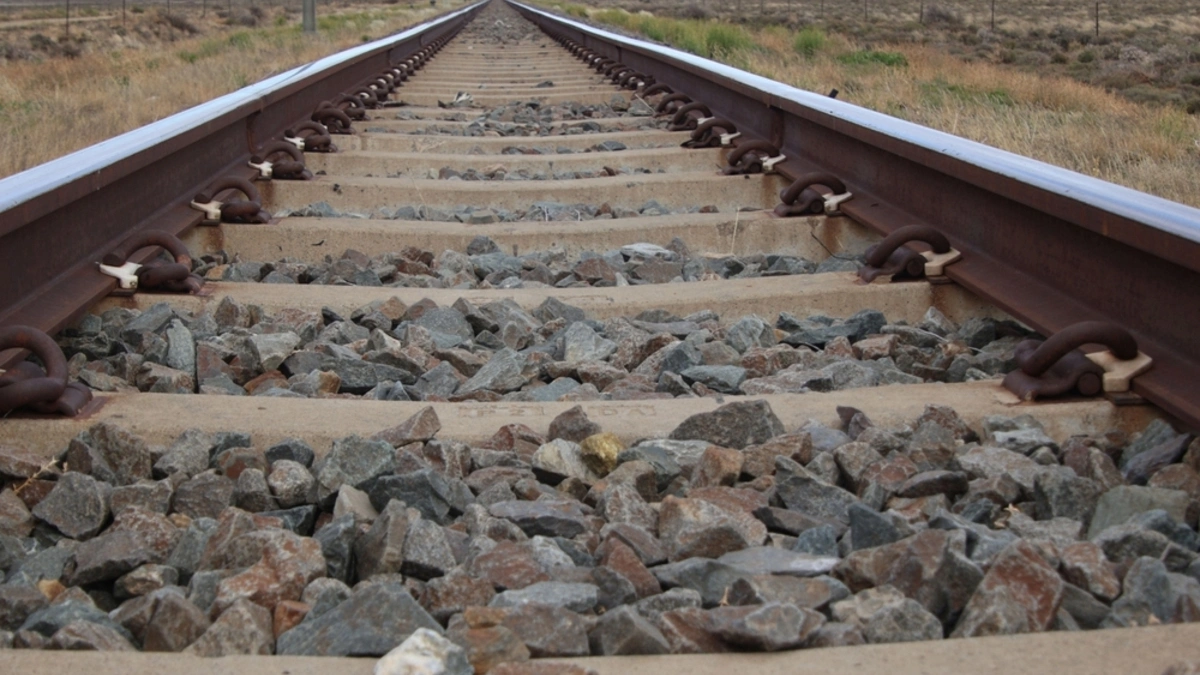
Close up of a railway line through the country side.

Transnet has reported a stronger financial and operational performance for the year ended 31 March 2026, with increased rail volumes, higher revenue and renewed progress on South Africa’s freight logistics reform programme.

In its annual results media statement, released on 10 September, the state-owned freight and logistics company reported revenue of R88.6 billion, a 7.1% increase on the previous year. Transnet also recorded a R4.6 billion profit, compared with a loss of R1.9 billion in the previous financial year.

The results suggest that some of the interventions introduced to improve the reliability of South Africa’s freight network are beginning to produce measurable gains. However, Transnet also acknowledged that significant operational and financial challenges remain.

Rail Volumes Show Signs of Recovery

Rail volumes increased by 4.9% to 167.9 million tonnes during the reporting period. Transnet attributed the improvement to focused interventions aimed at strengthening network reliability, improving maintenance execution and increasing asset availability. Pipeline volumes also increased during the year.

For customers relying on rail to move bulk commodities, minerals, manufactured goods and other freight, improved reliability can have an impact well beyond Transnet’s own results. More dependable rail services can support better production planning, reduce the need for alternative transport arrangements and improve the movement of goods between industrial areas, ports and export markets.

The company said that customers and industry stakeholders had begun to recognise improvements in rail performance and service delivery. It also noted positive feedback from the citrus sector regarding port operations and their contribution to improved export performance.

Despite this progress, Transnet’s operating environment remained difficult. The company identified derailments, rail network and rolling stock constraints, security incidents, equipment and power disruptions, adverse weather, resource shortages, community unrest and customer-related demand challenges among the issues affecting performance. The rail and port businesses were also impacted by R658 million in take-or-pay penalty adjustments.

Reinvent for Growth Remains Central to Recovery

Transnet’s recovery programme continues to be guided by its Reinvent for Growth strategy. The company said the strategy had supported targeted interventions focused on maintenance, asset reliability, operational discipline, technical capability, procurement and supply-chain efficiency.

These measures contributed to higher rail volumes, stronger cash generation and improved customer confidence, according to the statement. The broader objective is to create a more reliable and competitive freight system capable of supporting South Africa’s economic growth.

The challenge now is to ensure that these improvements are sustained. Freight customers require more than occasional operational gains. They need predictable services, consistent turnaround times and the confidence to plan production, inventory and exports around the available network.

Private Investment Changes the Port Landscape

One of the most significant developments during the year was the implementation of Transnet’s Private Sector Participation strategy through the Durban Gateway Terminal transaction.

Transnet disposed of a 49.999% interest in Durban Gateway Terminal to International Container Terminal Services Inc. (ICTSI) for R10.5 billion, with the transaction taking effect on 1 January 2026. The deal generated a reported profit on disposal of R12.5 billion, including a related fair-value adjustment.

Transnet retains a 50.001% shareholding in the terminal, while management control has transferred to ICTSI. The company described the transaction as an important step towards attracting private investment, improving operational performance and supporting the modernisation of South Africa’s port infrastructure.

The transaction also reflects a wider shift in the way the country is approaching freight logistics reform. Public infrastructure remains central to the system, but private-sector participation is increasingly being positioned as a way to bring in capital, technical expertise and operational capacity.

Infrastructure Investment Remains a Priority

Transnet invested R23.3 billion during the year in infrastructure, equipment renewal and operational improvements. The programme focused on the rail network, port performance, asset reliability and operational efficiency.

A further R14.8 billion in grant funding approved by National Treasury through the Budget Facility for Infrastructure is expected to support strategic rail and port projects. Transnet said the funding should assist infrastructure development, improve network performance and reduce future funding requirements.

For the freight industry, the value of this investment will ultimately be measured through practical outcomes: fewer disruptions, improved equipment availability, stronger port productivity and more consistent cargo flows.

Rail Reform Moves Towards Implementation

Transnet also reported progress on the structural reforms affecting South Africa’s freight rail system.

The accounting separation of Transnet Freight Rail into the Transnet Freight Rail Operating Company and the Transnet Rail Infrastructure Manager has been completed. The infrastructure manager is expected to play an increasingly important role in network quality, infrastructure management and reliability.

The company has also concluded rail access agreements with 11 train operating companies. The first private operators are expected to begin services during the 2026/27 financial year.

The introduction of third-party operators is intended to increase network utilisation, expand customer access and support additional freight volumes. Its success, however, will depend on the condition and capacity of the rail network, the effectiveness of access arrangements and the ability to coordinate different operators across shared infrastructure.

The Recovery is Underway, But the Pressure Remains

Transnet’s latest results point to progress, particularly in rail volumes, revenue generation and the implementation of freight reforms. Yet the company’s own statement makes clear that the recovery is taking place against a backdrop of equipment constraints, infrastructure challenges, security concerns and uneven demand.

The focus for the year ahead will be on improving operational reliability, increasing freight volumes, strengthening customer confidence and creating a safer and more efficient operating environment. Transnet also expects further progress in private rail participation and strategic infrastructure projects.

For South Africa’s logistics industry, the key question is whether these improvements can develop into a consistent change in the way goods move through the country. A stronger Transnet could reduce pressure on road freight, support exporters and improve the competitiveness of local industries. But that will depend on turning financial recovery and reform commitments into reliable day-to-day freight services.

Read the full Transnet annual results media statement (10 September)

Continue Reading

Freight Forwarding

A Terminal in Healing: SAFLA and the RFA Acknowledge the Movement Towards DGT Efficiency
Published

on

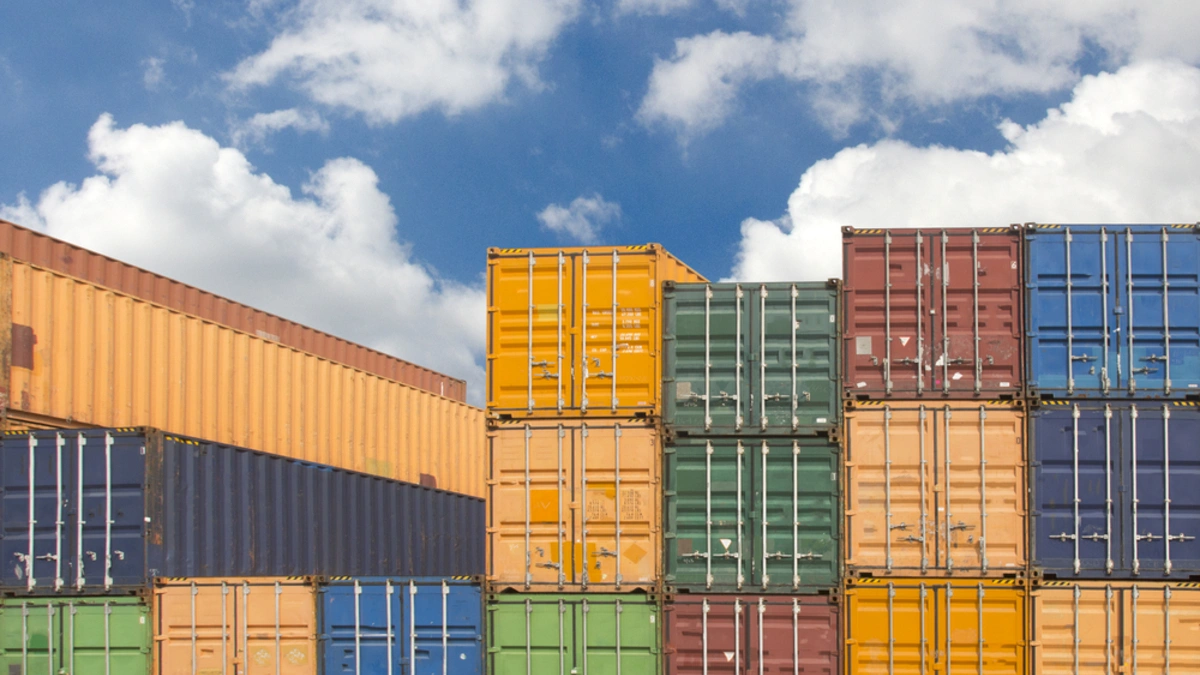
Shipping yard with stacked containers.

The South African Freight and Logistics Association (SAFLA) and the Road Freight Association (RFA) were present during the recent interaction between Durban Gateway Terminal (DGT) and relevant stakeholders and organisations that have operations or members processing cargo through the terminal.

Representatives of DGT and International Container Terminal Services Inc (ICTSI) were candid and open regarding challenges experienced – as well as what had been achieved in the period that Transnet had signed the agreement with ICSTI.

Whilst there are challenges, the terminal was functioning well – given the challenges experienced, and both DGT and ICTSI listened to comments from all present and noted that two processes were in place to address the operations at DGT. 

One was short term: this included the waiving of all terminal storage charges whilst the current set of challenges were experienced, and secondly, there was an accelerated programme to keep the various pieces of machinery operating at the best levels of safety and functionality, as was possible. Gensets had been brought in to deal with power disruptions.

In addition, DGT acknowledged the problems with the slot booking system and already had developed a solution to vastly improve the process – this was to be shared with all shareholders in due course for comment and implementation.

DGT also brought Transnet into the meeting to address certain aspects that had placed pressure on operational efficiencies.

Long-term plans: the Terminal requires significant refurbishment and upgrading / modernising to compete with the options of other ports on the Southern African continent. Much of the equipment needed has been ordered – but there are lengthy lead times in the delivery of the equipment.

“There are immediate short-term options – such as reducing the pressure on the terminal whilst upgrades and interventions are applied. Perhaps Transnet can lower container movement tariffs (from other ports) for a period, whilst DGT is brought to the level of efficiency required. As we have noted – transporters are carrying the costs of inefficiencies,” said Gavin Kelly, Chief Executive Officer of the RFA. “Fleets are standing without bookings while fixed costs run, drivers are queuing on Bayhead Road, and every standing hour ends up in the price of goods. Slot releases must match real capacity, and truck staging must be fast-tracked now. Without trucks, South Africa stops.”

“SAFLA is delighted at the waiving of storage charges whilst the current set of challenges are being experienced,” said Dave Logan of SAFLA. “This will meaningfully ease the burden on freight forwarders and their clients, and we welcome this gesture of good faith from DGT and ICTSI.”

SAFLA and the RFA stand ready to contribute member evidence and practitioner expertise to a joint recovery task team alongside DGT, Transnet, government and other industry bodies.
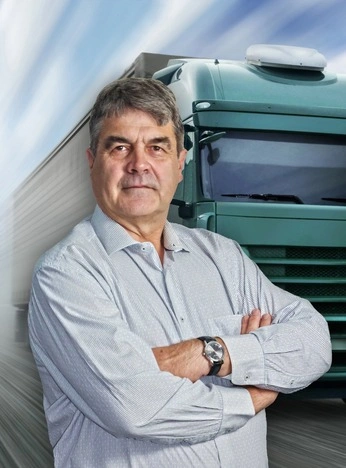
Gavin Kelly, CEO of the Road Freight Association, standing in front of a passing green freight truck.

Gavin Kelly, CEO of the Road Freight Association

Headshot of Dave Logan – Executive Officer of SAFLA.

Dave Logan – Executive Officer of SAFLA

Continue Reading

Logistics

Preparing South Africa’s Logistics Industry for 2030, Focused on Compliance, People, and Sustainability.

Published

on

Man using a tablet with a futuristic view of the logistics world as a freight ship, plane and trucks travel in the background.

By Harry Dimo, HR Director, BIL & Lawrence Aldworth, National Compliance and Risk Manager, BIL

Ask most logistics leaders what sustainability means, and the conversation quickly turns to emissions, electric vehicles and carbon reporting. While those issues matter, they’ve also created one of the industry’s biggest blind spots. Sustainability has become an environmental conversation when it should be a business one.

The logistics businesses that will thrive beyond 2030 will not simply be those with the lowest carbon footprint. They will be the organisations that embed sustainability into every aspect of their operations, from developing their people and embracing innovation to strengthening governance, ensuring compliance and building resilience.

For Harry Dimo, HR Director at Bidvest International Logistics, that journey starts with people: “We’re assessing the competencies required now and in the future so we can begin upskilling employees for where the business is going, not just where it is today.”

As automation, digitalisation and artificial intelligence continue to reshape supply chains, organisations must prepare employees to work alongside these technologies rather than be displaced by them. Future-ready businesses are identifying tomorrow’s skills today, investing in continuous learning and equipping people to adapt as customer expectations and business needs evolve. Investing in future capability is every bit as important as investing in greener technology.

“When people hear sustainability, they immediately think environmental. But sustainability is much broader than that. It’s about environmental, social and governance principles working together to create a business that is built to last,” says Lawrence Aldworth, National Compliance and Risk Manager at Bidvest International Logistics.

That broader definition is becoming increasingly important as customers raise their expectations. Organisations are no longer evaluated solely on price, service and operational capability. Increasingly, customers are assessing the environmental, social, and governance (ESG) maturity of companies, making responsible business practices a key competitive differentiator. Businesses that fail to evolve risk being excluded from future opportunities rather than simply falling behind competitors.

Sustainability is therefore not another initiative sitting alongside the business. It is the framework through which the business operates. Environmental responsibility protects natural resources. Good governance builds trust, accountability and resilience, while investment in people ensures organisations can respond to changing technologies, customer expectations and market demands.

Innovation and compliance are equally important. By empowering employees to contribute ideas and embrace technology, organisations create a culture of continuous improvement that strengthens operational performance, enhances customer outcomes and increases employee engagement.

As Harry explains: “Leadership can define the vision for the future, but it is our people who bring that vision to life every day. Preparing them for what comes next is one of the most important investments we can make.”

Compliance should also be viewed through a different lens. Too often perceived as a cost of doing business, effective governance creates measurable value by reducing operational risk, protecting customers’ products and strengthening confidence among organisations that increasingly expect responsible business practices from their logistics partners.

Lawrence adds: “Good compliance management reduces risk, which ultimately reduces cost. It also creates value for customers by protecting their products while they’re in our care.”

The organisations best positioned for the future are those that combine resilience with adaptability. They invest in capable people, encourage innovation, strengthen governance and continuously evolve to meet changing customer needs.

Sustainability is not just about protecting the planet’s future. It is about building organisations that are equipped to protect their people’s future, earn their customers’ trust, and adapt with confidence to whatever comes next. Businesses that embrace this broader definition of sustainability will not only remain relevant but also help shape the future of logistics.

Continue Reading

Trending