
Press Releases
Major Rail Upgrade at Crossmoor set to Boost Passenger Mobility and Restore Dignity to Commuters

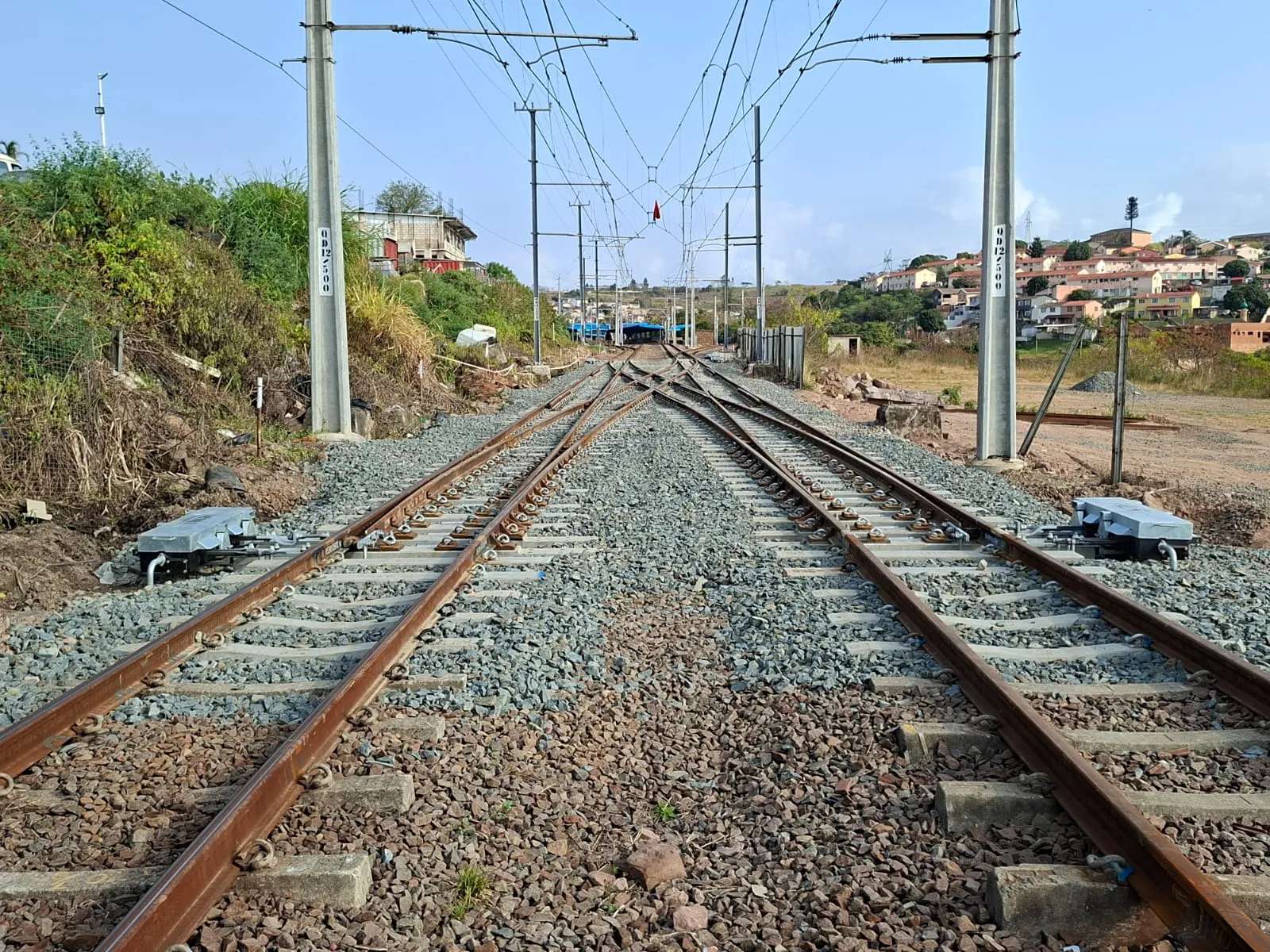
A significant milestone has been reached in the Passenger Rail Agency of South Africa’s (PRASA’s) ongoing modernisation of KwaZulu‑Natal’s rail network, with the installation of a new diamond crossing at Crossmoor Station.
The crossing was delivered by Maziya Group subsidiary, Maziya General Services, in partnership with voestalpine South Africa (VAE SA).

Athanacious Makgamatha, PRASA Executive: Group Capital Delivery and Execution
“The upgrade forms part of PRASA’s multi‑year Passenger Rail Recovery Programme and will dramatically improve reliability, safety and travel times for thousands of daily passengers,” says Athanacious Makgamatha, PRASA Executive: Group Capital Delivery and Execution at PRASA.
A Flawless Design
Designed and manufactured by VAE SA at its Isando, Johannesburg facility, the crossing is built on durable concrete sleepers, offering improved longevity, reduced maintenance and enhanced ride quality for passengers.

“This diamond crossing is a highly specialised piece of rail infrastructure that enables trains to switch between lines in areas with limited space, replacing a worn‑out installation that previously sat on wooden sleepers,” explains Sizwe Mkhize, Business Development Officer at VAE SA.
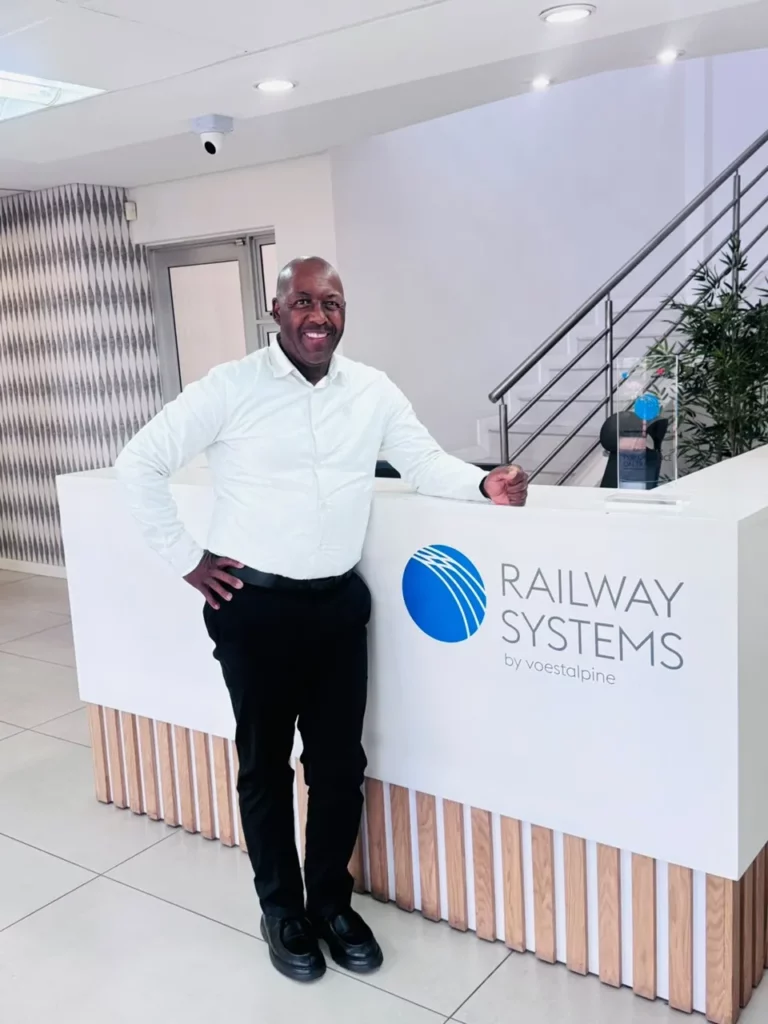
Sizwe Mkhize, Business Development Officer at VAE SA
The installation of the diamond crossing and associated turnouts in Crossmoor was performed by PEM-LEM turnout replacement machines, together with a specialised, dedicated track installation team.
Rails, turnouts and diamond crossings ensure safe train movements. Their installation requires a high level of precision, coordination, and specialised railway engineering skills to complete. The PEM-LEM team managed and executed the placement, gauging, levelling, and securing of these elements to ensure the track geometry meets strict operational and safety standards.
Impact Felt in More Ways Than One
According to Heinrich Mostert, Signalling Director at Maziya General Services, the upgrade is about far more than technical renewal. “This work restores mobility, restores dignity and restores opportunity,” he says. “For years, large sections of the line have been operating on a single track due to vandalism. Once all upgrades are complete, trains will be able to run in both directions on both lines again—10 minutes apart—instead of one hour apart.”
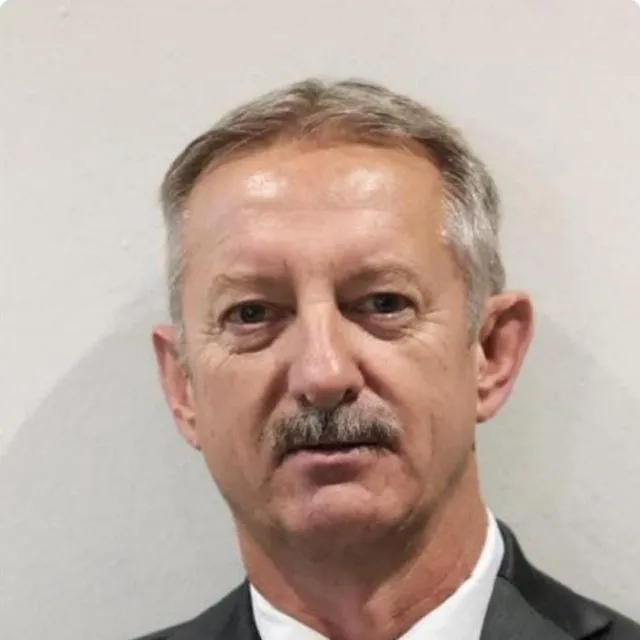
Heinrich Mostert, Signalling Director at Maziya General Services
For the communities served by Crossmoor Station and neighbouring areas, the benefits are already being felt. The previous speed restriction of 15 km/h over the old crossing has been lifted to 60 km/h now that installation, testing and commissioning are complete. The improved track geometry also reduces vibration and noise, resulting in a smoother, more comfortable passenger experience.
A South African Solution, Built for Local Needs
Kedibone Madiba, Head of the Perway Department at Maziya General Services, explains that the design and installation process is uniquely tailored to the constraints of the Crossmoor site.
“This is a brownfield environment with limited space, curves and a platform very close to the installation. A diamond crossing is the only viable solution,” he explains. “We designed everything locally, conducted the surveys, modelled the geometry and worked closely with VAE SA to ensure every component meets the required standards. The result is a system that fits perfectly and performs reliably, even under challenging operating conditions.”

Kedibone Madiba, Head of the Perway Department at Maziya General Services
“VAE SA’s local presence is critical. When you run a railway, you need immediate support during derailments or faults, and VAE SA has always responded quickly. Their quality and reliability give us unshakeable confidence,” states Madiba.
Partnership Delivers Real Community Impact
Ultimately, the crossover project forms part of PRASA’s long‑term commitment to rebuilding a safe, modern, dependable public transport system.
“The Crossmoor upgrade is one step among many, but its impact on the surrounding communities will be profound. Reliable rail transport transforms lives. It connects people to jobs, education and economic opportunities. We’re proud to revitalise a network that many people rely on,” concludes Makgamatha.








Press Releases
FNB and Wesbank Renew On The Road Partnership as Road Freight Podcast Surges Past 300,000 Views and 7,000 Youtube Subscribers

Second-year sponsorship comes as the platform reaches 2 million TikTok views and expands its influence among South Africa’s road freight SMMEs
FNB and WesBank have renewed their sponsorship of the On The Road Podcast for a second consecutive year, backing the continued growth of one of South Africa’s most distinctive platforms dedicated to the road freight and transport SMME sector.
Hosted by Florence Musundwa, Convenor of the Road Freight SME Summit, On The Road has grown from a specialist industry podcast into a platform giving voice to the entrepreneurs, fleet owners, drivers and businesses that keep South Africa’s freight economy moving.

Florence Musundwa
The sponsorship renewal comes as the podcast reaches a significant new audience milestone, with more than 7,100 YouTube subscribers, past 300,000 YouTube views, more than 30,000 TikTok followers and 2 million TikTok views.
When the podcast entered its first sponsored year, it had approximately 800 YouTube subscribers and 2,700 TikTok followers.
The latest figures demonstrate not only audience growth, but a growing appetite for industry specific conversations that speak directly to the realities of running a transport business in South Africa and across the region.
In the 28 days to 5 October 2026, the YouTube channel recorded more than 18,500 views and approximately 1,600 hours of watch time, with nearly 58% of viewers not yet subscribed to the channel, indicating that On The Road continues to attract new audiences beyond its established community.
A Platform for the People Behind the Freight Economy
“Road freight is fundamental to the movement of goods across South Africa and the wider Southern African region, yet the experiences of the small and emerging operators who form an important part of the industry are often absent from mainstream business conversations,” explains Musundwa. “On The Road was created to change that.”
The podcast provides a platform where transport entrepreneurs can have candid conversations about cash flow, pricing, access to finance, fuel costs, fleet management, procurement, market access, regulation, cross border opportunities and the realities of building a sustainable transport business.
Its audience includes truck owners, drivers, fleet managers and other stakeholders across the road freight ecosystem. Approximately 65% of YouTube viewers are based in South Africa, with audiences also watching from Botswana, Zambia, Namibia and Kenya.
Why FNB and Wesbank are Returning
The renewal reflects a strong strategic alignment between the issues explored on On The Road and the financial and operational realities facing transport businesses.
Transport operators operate in an environment where fuel costs, fleet costs, working capital and effective fleet management can directly determine profitability and business sustainability.
FNB Fleet Services, offered and serviced by WesBank, provides solutions designed to help operators manage these pressures, including the Auto Card, which enables secure payment for fuel, oil, tolls, repairs and maintenance, as well as Fleet Online, which provides fleet owners with information to manage and monitor fleet costs.
The decision to continue the partnership reflects the value of meeting transport entrepreneurs where they are: in an environment where practical information, access to the right financial tools and informed conversations can make a material difference to business outcomes.
From Industry Challenges to Industry Opportunities
One of the defining characteristics of On The Road is its willingness to tackle difficult conversations rather than simply celebrate success stories.
Through its flagship The Reality series, the podcast has explored issues including:
- Rising fuel prices and their impact on transporters
- Cash flow, pricing and financing in trucking businesses
- Fleet management and profitability
- Procurement, public procurement reform and corruption
- The rule of law in road freight and illegal truck drivers
- Cross-border trade between South Africa and Botswana
- Rail reform and its implications for road freight
- Last mile delivery and opportunities for small courier businesses
Guests have included Gavin Kelly (The Road Freight Association), Lebo Letsoalo (African Women in Supply Chain Association and Sincpoint), Gary Marshall (SA Express Parcel Association (SAEPA), Kamogelo Mampane (Supply Chain Council SA), Jonathan Mphake, Joshua Kadish, Mesela Nhlapo (Africa Rail Industries Association), Rogers Rasetapa and Khaya Mahlangu, Oliver Naidoo (JA Auditors), Thabo Moodie (Oricred), Reneiloe Semenya (Maysene Logistics), Malesela Tloana (Alter Clique Energy) and Tshepo Mokoa (Brima Investments), alongside transport business owners who have shared candid stories of setbacks, resilience and recovery.
Building a Stronger SMME Voice in Road Freight
For Musundwa, the growth of On The Road demonstrates the need for platforms that do more than report on the transport sector. “I started On The Road because the people who keep this country moving needed a platform where they could have honest conversations about what it really takes to build and run a transport business. The response has shown us that the industry was waiting for this conversation.”
“For me, the significance of FNB and WesBank returning for a second year goes beyond sponsorship. It demonstrates that there is value in investing in platforms that understand the lived realities of entrepreneurs and create access to information, ideas and conversations that can help businesses grow.”
Musundwa believes the future of industry engagement will increasingly be shaped by platforms that allow audiences to access depth, expertise and authentic conversations on demand.
“Podcasts are becoming an important way for industries to talk to themselves. They allow people to hear from the people doing the work, understand different perspectives and access conversations when and where it suits them. We are building On The Road to become a platform that not only reflects the industry, but contributes to how the industry thinks about its future.”
Looking Ahead
The renewed partnership comes as On The Road enters its next phase of growth, with the platform continuing to expand its content across YouTube and TikTok and deepen its focus on the issues affecting transport entrepreneurs.
The ambition is clear: to build a platform that connects industry knowledge, entrepreneurial experience, financial education and market opportunity while creating a stronger and more informed voice for road freight SMMEs.
New episodes of On The Road Podcast are available on YouTube and TikTok.
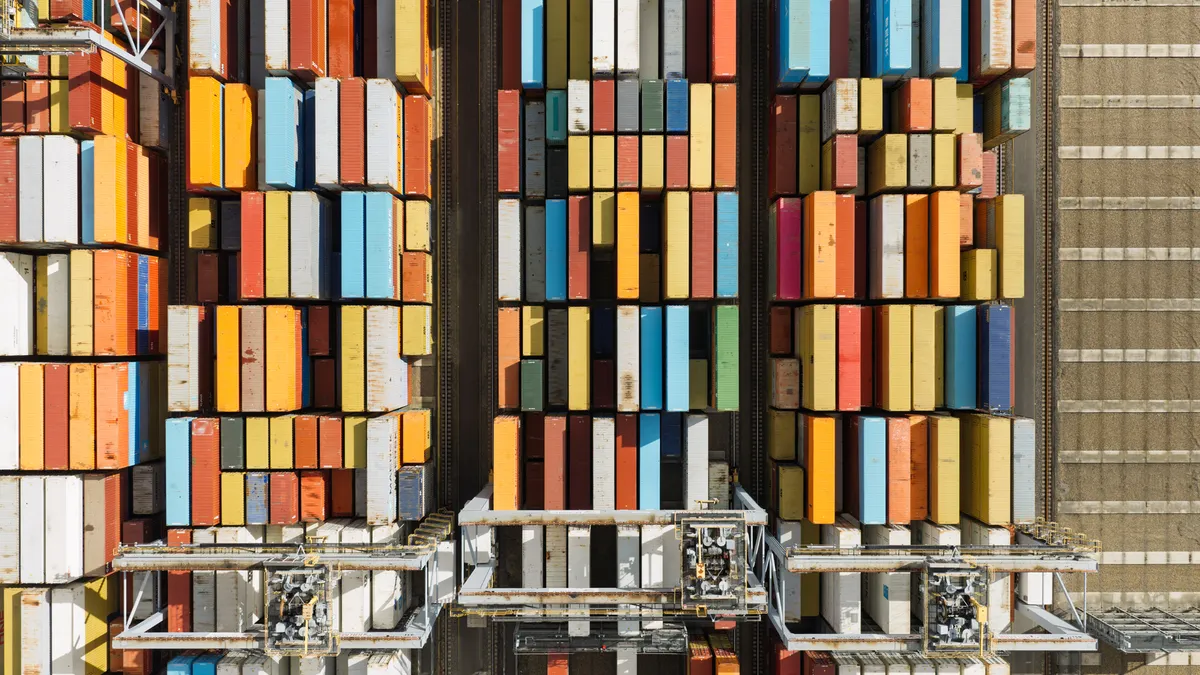
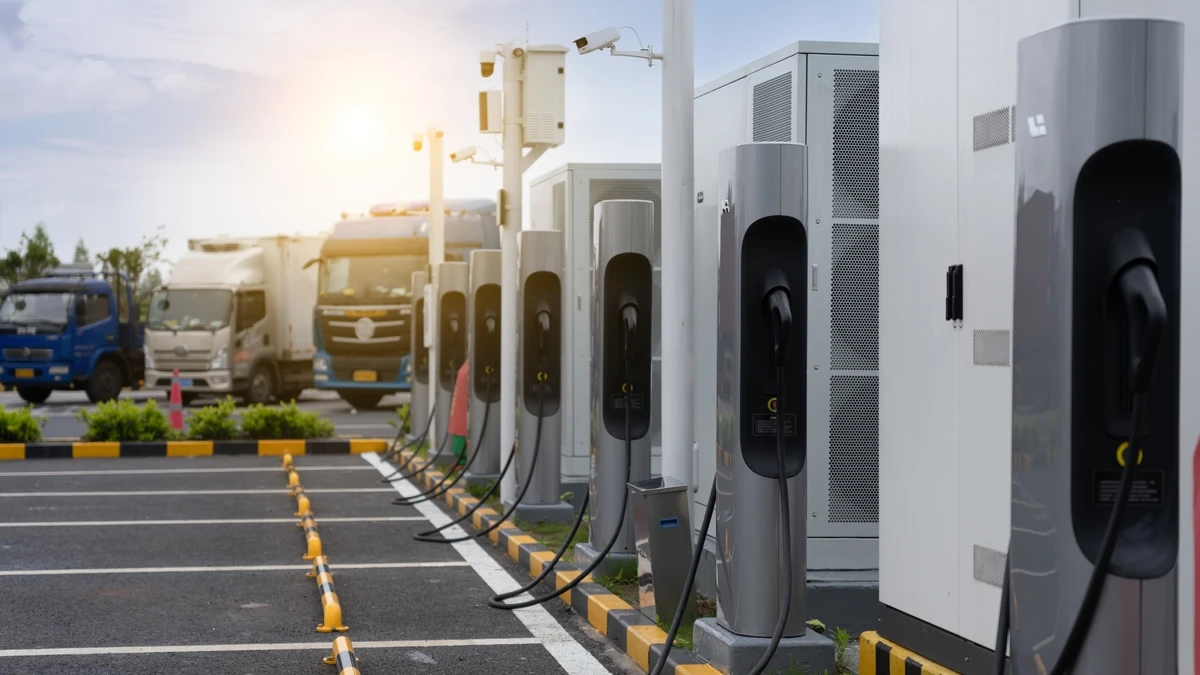
South Africa’s road transport industry is entering a period of significant change, with rising operating costs, new energy technologies and rapid advances in digitalisation placing greater emphasis on efficiency, vehicle productivity and lifecycle costs. For truck and trailer body builder Serco, these trends are shaping both its view of the market and its innovation priorities for 2027.
Serco CEO Clinton Holcroft believes the next phase of commercial vehicle development will be increasingly influenced by the following interconnected themes: reducing vehicle weight and improving efficiency, the gradual adoption of alternative energy vehicles and the greater use of data and artificial intelligence (AI) to improve vehicle performance and uptime.
“Transporters ultimately need vehicles that carry the maximum productive payload, are reliable, cost-effective to operate and spend as little time as possible off the road,” said Holcroft. “The technologies are changing, but those fundamental customer requirements remain the same,” said Holcroft.
He said 2026 was proving to be a demanding one for the logistics industry, with sharply higher diesel costs adding further pressure to already competitive operating conditions. “Serco has seen transporters respond by extending the operating life of existing equipment and placing increased emphasis on maintenance, reliability and vehicle utilisation. Fuel pressures intensified towards the latter part of the year with South African diesel prices rising sharply again in October, adding further impetus to the industry’s search for greater operating efficiency,” said Holcroft.
Despite the difficult environment, Serco achieved marginal year-on-year improvement, recording more than 8% growth in repair sales, while continuing to broaden its dry-freight product offering and customer base.
The company also placed particular emphasis on reducing customer downtime. Its Johannesburg facility was expanded during the year, adding capacity for both after-sales repairs and new-body manufacturing, with further improvements to the facility and layout under review.
“In a difficult operating environment, keeping existing equipment productive becomes increasingly important,” said Holcroft. “Our focus has therefore not only been on manufacturing new vehicles but also on improving the speed and efficiency of our repair services to help customers reduce downtime.”
Holcroft expects the drive towards lower tare weight and improved aerodynamics to accelerate, regardless of the vehicle’s power source.
The benefit for a conventional fleet is the potential for improved payload and fuel efficiency. For battery-electric vehicles, weight becomes particularly important because body specification needs to balance payload, durability and vehicle range.
Serco has already started applying lightweight construction principles to truck bodies built for electric vehicles (EVs) introduced into the South African market this year.
“With electric vehicles, every kilogram becomes increasingly important. The challenge for body builders is not simply to make a body lighter. It is to reduce weight intelligently while maintaining the strength, durability and practicality customers expect.”
Serco therefore forecasts continued development in areas including composite materials, high-strength lightweight steels, aluminium construction and aerodynamic body design. The company plans to further develop its EV body range during 2027 while continuing research into materials and designs capable of reducing tare without compromising durability.
Holcroft believes electric commercial vehicles will become increasingly relevant to selected South African transport applications as vehicle choice expands and the commercial case improves.
However, Holcroft cautions that adoption will not happen overnight. “Electric trucks need to make operational and commercial sense for the fleet. Range, payload, charging infrastructure, vehicle utilisation, support and total cost of ownership – all have to be considered. As those elements improve, we expect more transporters to evaluate where EVs can fit successfully into their operations.”
Serco expects its role to remain centred on helping operators extract maximum value from whichever vehicle platform they select by developing bodies that combine low tare weight, durability, load-carrying capability and practical operating features.
Another major development Holcroft sees gathering momentum is the convergence of trailers, telematics, sensors and AI.
Trailers are already increasingly capable of generating operational information through technologies such as real-time load monitoring, tyre-pressure monitoring, temperature tracking and door-opening alerts. Serco sees the next opportunity as converting more of this information into actionable insight, including proactive maintenance and fleet optimisation.
“The opportunity is for the trailer to evolve from simply being an asset that carries freight into an intelligent asset that provides operators with useful information about its condition and operation.”
Serco is currently evaluating new features using telematics and sensors to support proactive trailer maintenance as well as camera technologies aimed at reducing vehicle damage during docking and unloading operations.
AI could also increasingly influence the engineering process. Serco sees potential for AI-assisted tools to help engineers analyse load patterns, optimise structural designs, reduce material usage and improve stress and fatigue analysis.
Rather than positioning AI as a replacement for engineering expertise, Holcroft believes its value will lie in augmenting engineering capability and accelerating innovation.
“The exciting opportunity is combining the experience of our engineers with increasingly sophisticated digital tools. If we can design lighter and stronger products, identify maintenance requirements earlier and give fleet operators better information, technology translates into real customer value.”
Looking ahead, Serco expects trading conditions to remain challenging while fleet operators continue to manage high operating costs and ageing equipment. At the same time, the need to replace overextended vehicles should create opportunities for newer, more efficient and reliable equipment.
Against this backdrop, Serco’s priorities for 2027 will include further development of its lightweight and EV-ready body range, continued research into advanced materials, greater integration of telematics and smart technologies, further improvements in repair turnaround times, and development of the skills required for an increasingly digital and electrified transport industry.
“We don’t believe innovation should be about technology for technology’s sake,” Holcroft concluded. “For our customers, innovation must translate into better payload, lower operating costs, increased uptime, improved safety and longer asset life. That is where we see the greatest opportunity for Serco as the transport industry evolves.”
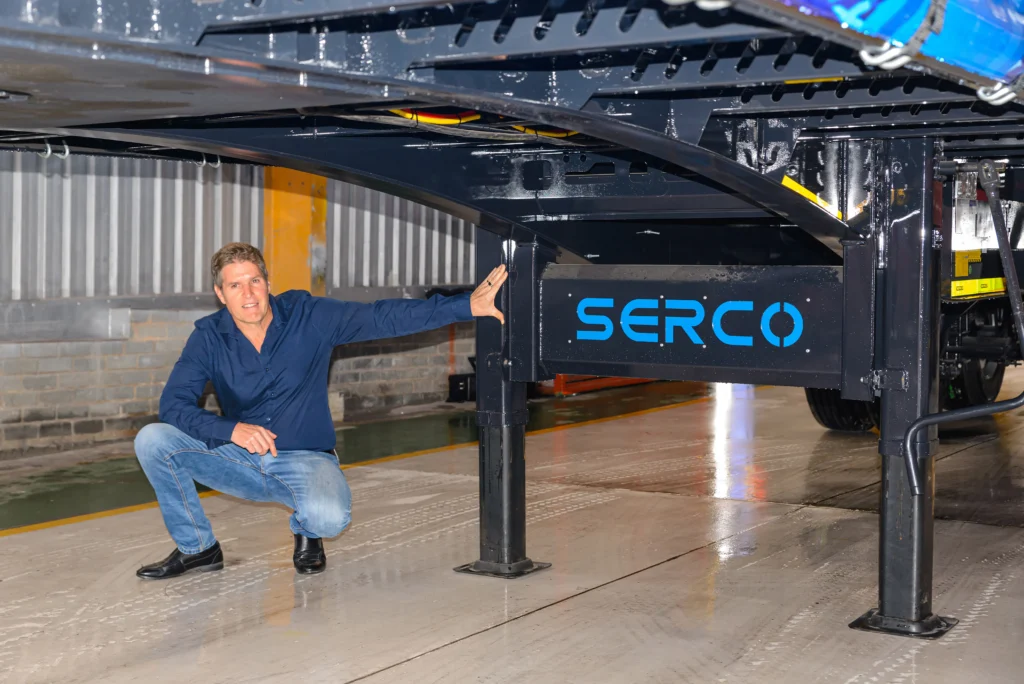
Clinton Holcroft, CEO of Serco (Pty) Ltd

Moving with Purpose: Why Reliable Passenger Transport Strengthens Communities and Business Continuity

FNB and Wesbank Renew On The Road Partnership as Road Freight Podcast Surges Past 300,000 Views and 7,000 Youtube Subscribers

Port of Saldanha Secures R6.9bn Industrial Investment Pipeline


-

 Management3 months ago
SEO, AEO, GEO and SEO for AI: What Is the Difference for the Supply Chain Industry?
-

 Transport4 months ago
LDV T60 Max vs GWM P500 vs Isuzu D-Max vs Toyota Hilux vs Ford Ranger: Which Double-Cab Bakkie Offers the Best Value?
-

 Logistics4 months ago
DHL Group to invest around € 160 million in 2026-2027 to strengthen logistics infrastructure and support clean energy transition in France
-

 Logistics4 months ago
Top 5 Warehousing and Logistics Companies in the Western Cape by Google Review Rating
-

 Logistics4 months ago
DHL Expands Asia Pacific Data Center Logistics Capabilities to Support Growing Regional Demand
-

 Logistics4 months ago
Top 10 Warehousing and Logistics Companies in Gauteng by Google Review Rating
-

 Freight Forwarding4 months ago
The Hidden Cost of Shipping from China to South Africa — What Every SA Importer Needs to Know in 2026
-

 Logistics3 months ago
Top 4 Lift Truck Companies in Gauteng