Connect with us

Freight Forwarding

Could Wind Shields Reduce Disruption at the Port of Cape Town?

Published

on

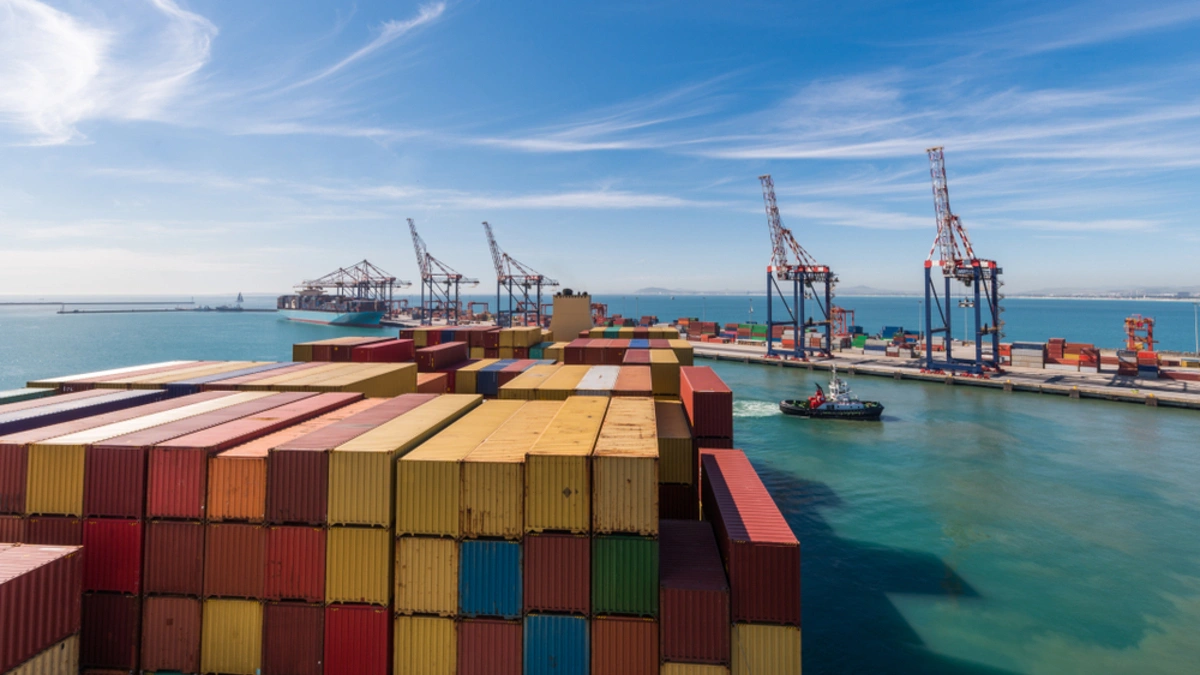
Cape Town harbour with a docked freight ship being loaded with storage containers.

Strong winds regularly disrupt operations at the Port of Cape Town, creating delays that can extend well beyond the harbour. Transnet is now considering wind shields, combined with improved weather forecasting and predictive modelling, as part of an effort to reduce these interruptions and keep cargo moving.

The proposal comes as the port continues to look at ways of improving its ability to operate during adverse weather. The focus is not on eliminating the effect of strong winds, but on reducing the amount of time they prevent equipment from operating safely.

That matters because lost operating time at a major port can quickly become a problem for exporters, shipping companies and businesses further along the supply chain.

Why Strong Winds Disrupt Port Operations

Much of the work at a container port depends on large pieces of equipment, including ship-to-shore cranes, operating safely.

When wind speeds reach certain levels, those operations may have to be restricted or stopped. The resulting delays can affect when cargo is loaded and unloaded and, in turn, when vessels are able to leave the port.

A disruption to one operation can also affect the schedule of others.

For exporters, the consequences can be significant. Cargo may already have been transported to the port, prepared for export and scheduled for loading. When operations are interrupted, those goods can remain in the system for longer, creating uncertainty around delivery times and additional pressure on transport and storage arrangements.

The Wind Shield Proposal

Transnet is considering wind shields as one way of reducing the impact of strong winds on port operations.

The concept is relatively straightforward: strategically placed barriers could reduce wind speeds in areas where equipment is operating, potentially allowing some activities to continue safely for longer during periods of adverse weather.

The objective is not to make the port immune to wind. Instead, the proposed infrastructure is intended to reduce the frequency or duration of stoppages caused by conditions that currently prevent equipment from operating.

That could give the port more usable operating time, particularly during periods when strong winds would otherwise restrict activity.

Forecasting Matters Just as Much

The physical wind shields form only part of the proposed approach.

Transnet National Ports Authority has been working with the Council for Scientific and Industrial Research (CSIR) on a wind study and predictive modelling for the Port of Cape Town.

The work is designed to improve understanding of how wind conditions affect port operations and provide more localised information that can support operational decisions.

The Western Cape Government reported in February that the forecasting model had been tested and integrated into the port’s operational support system. The system provides localised wind forecasts and information intended to assist Port Control when making decisions about operations.

The practical benefit is better preparation.

Accurate forecasting can give port operators more warning of potentially disruptive conditions, allowing them to adjust operations and plan around periods of severe wind rather than reacting once a disruption has already occurred.

Why Exporters Feel the Impact

The effects of a port disruption are not confined to the port.

Take an agricultural exporter. Produce may have been harvested, packed, transported to Cape Town and prepared for loading onto a vessel bound for an overseas market. If strong winds interrupt operations, the shipment can be delayed even though every previous stage of the journey has been completed.

That delay can affect schedules, transport planning, storage and the timing of when goods reach their destination.

The Western Cape Government has highlighted fruit exports in particular when discussing the need to reduce weather-related disruption at the port.

For products where timing and condition are critical, improving the consistency of port operations can have a direct commercial benefit.

More Than an Infrastructure Problem

Wind is only one of the factors affecting port performance, which is why the proposed response goes beyond the construction of physical barriers.

The broader work includes forecasting, operational procedures and planning for periods when weather prevents normal activity.

That combination is important. Better infrastructure can reduce the impact of strong winds, but better information can help operators decide how to use the available operating time and prepare for disruption when it cannot be avoided.

The Western Cape Government’s stakeholder work has also identified the need for clearer procedures around stopping and restarting operations and for alternative measures during extended weather disruptions.

A Practical Response to a Recurring Problem

The proposed wind shields are a targeted response to a problem that repeatedly affects the Port of Cape Town.

Rather than treating every weather-related stoppage as unavoidable, the approach is to reduce the effect of strong winds where possible and improve the information available to the people running the port.

For exporters and other businesses that depend on the port, the outcome is ultimately straightforward: fewer disruptions, greater certainty and a more predictable route for getting goods to market.

That is the real value of the proposal. Not simply keeping cranes operating for longer, but reducing the number of times a weather event at the harbour becomes a problem for businesses hundreds or thousands of kilometres away.

Continue Reading

Freight Forwarding

What More Private Investment Could Mean for South Africa’s Freight Network

Published

on

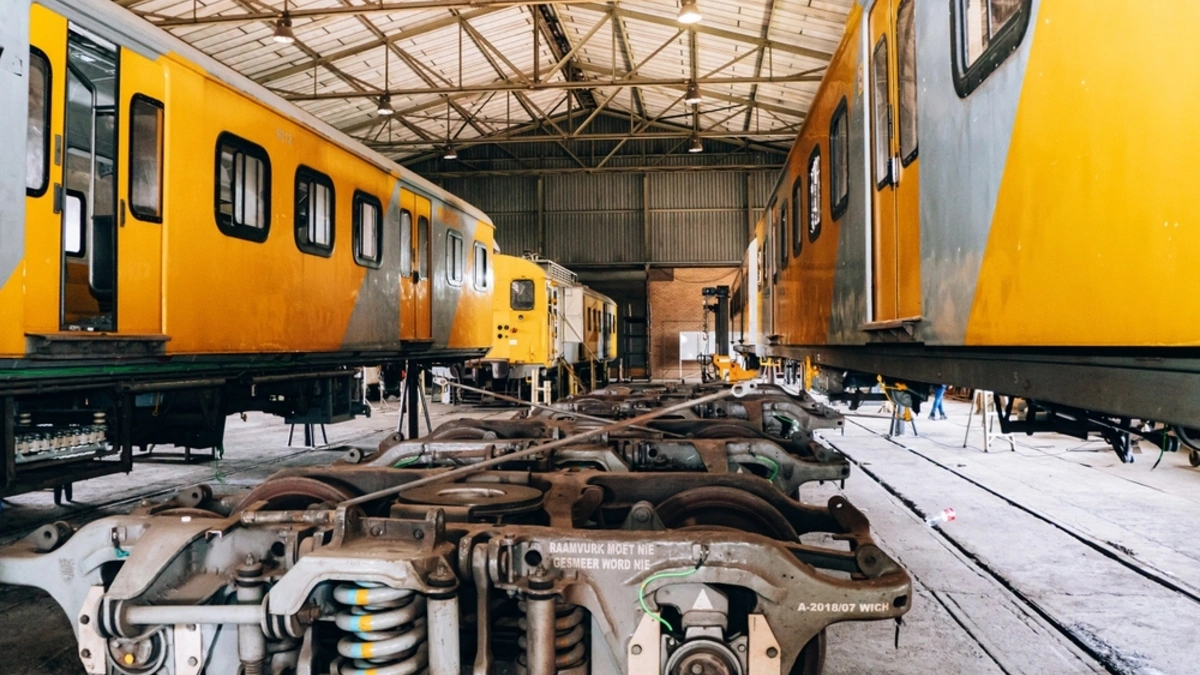
South African yellow and grey trains parked in a service yard.

South Africa’s freight challenges are not confined to one port, railway line or logistics facility. They stem from a network that must move goods between farms, factories, warehouses, ports and international markets, often through infrastructure that has struggled to keep pace with demand.

That is why private investment in logistics infrastructure deserves attention beyond the value of any individual transaction.

Absa’s reported expansion of its financing support for logistics infrastructure developer Newlyn Group to R5.1 billion raises a broader question: can private capital help close the gaps between the different parts of South Africa’s freight network?

The answer will depend less on the amount invested than on where the money goes, how projects connect to existing infrastructure, and whether the resulting facilities improve the movement of cargo.

The Problem is Not Simply a Lack of Warehouses

South Africa has logistics facilities across its major industrial and commercial centres. However, warehouse capacity alone does not resolve the challenges facing the freight system.

A warehouse may provide valuable storage space, but its usefulness depends on what happens outside its gates. If trucks face congestion, rail services are unreliable, or port operations are delayed, the warehouse becomes another holding point in an already disrupted chain.

The more important investment is in infrastructure that connects different activities.

This includes logistics parks near industrial centres, facilities linked to rail terminals, storage close to ports, and sites that allow cargo to move between road and rail without unnecessary handling or additional journeys.

The value lies in the connection. A facility that is properly integrated into the wider network can help businesses plan movements more efficiently and reduce the number of disconnected steps between origin and destination.

Why Multimodal Infrastructure Matters

Road freight remains essential because it offers flexibility and can reach locations that are not served directly by rail. It is particularly important for first-mile and last-mile movements.

Rail, however, can play a different role by moving larger volumes over longer distances. When the two modes are connected effectively, businesses can use each where it makes the most operational and economic sense.

This is the thinking behind multimodal logistics infrastructure.

Cargo could move by truck to a rail-linked facility, travel longer distances by rail, and then return to road freight for final delivery. Warehousing and storage positioned around these connections can support consolidation, distribution and export activity.

This model does not eliminate the need for trucks. It can, however, reduce the pressure on road freight by giving operators more options for moving cargo through the network.

For South Africa, that matters because freight costs are influenced not only by fuel and vehicle expenses, but also by delays, empty running, congestion, repeated handling and unreliable schedules.

Durban Shows Why the Connections Matter

The Durban–Gauteng corridor illustrates the challenge.

Cargo moving through the Port of Durban must travel between the coast and the country’s major industrial and distribution centres. That movement depends on a combination of port operations, rail infrastructure, road freight, warehouses, terminals and inland distribution facilities.

If one part of the corridor performs poorly, pressure is often transferred elsewhere. Delays at a port can affect truck scheduling. Rail constraints can push more cargo onto roads. Congestion can increase turnaround times and raise operating costs for transporters.

Investment in facilities near the port or along important freight routes could improve the way cargo is staged, stored and transferred. These facilities, however, will only deliver their full value if they are supported by reliable road access, functioning rail connections and efficient port operations.

This is the important distinction between building logistics infrastructure and improving logistics performance.

Private Capital Cannot Fix the Entire Network

Private investment can provide funding for new facilities, equipment, technology and development capacity. It can also introduce commercial pressure to improve service delivery and make better use of assets.

However, private logistics developments remain dependent on the wider transport system.

A privately financed rail terminal cannot operate effectively if the rail network lacks capacity. A modern warehouse cannot compensate for severe port delays. A logistics park may still struggle if road access is congested or surrounding infrastructure is inadequate.

Private investment should therefore not be viewed as a replacement for public infrastructure reform. It is one part of a wider system that includes Transnet, municipalities, road authorities, port operators, rail infrastructure managers, freight customers and logistics companies.

The strongest projects will be those planned with these dependencies in mind.

The Timing is Significant

South Africa is pursuing changes to its freight logistics system, including private-sector participation in port operations and the opening of the rail network to third-party operators.

These reforms could create opportunities for infrastructure developers and financial institutions. As more operators enter the market, supporting facilities such as terminals, storage, maintenance sites and cargo-handling infrastructure will become increasingly important.

But the relationship works both ways. New infrastructure can support reform by making it easier for different operators to access the network. At the same time, the success of those facilities will depend on whether the reforms improve the underlying network.

Coordination will therefore matter as much as the availability of finance.

The Real Measure Will Be Better Cargo Movement

The significance of a large logistics financing facility should ultimately be measured by what it changes on the ground.

Does it reduce unnecessary truck movements? Does it make rail a more practical option for freight customers? Does it improve access to ports, reduce handling delays or help exporters move goods more predictably?

These are the outcomes that matter to manufacturers, retailers, exporters, transport operators and consumers.

Private capital has an important role to play in South Africa’s freight recovery. But investment figures alone do not improve a supply chain. The real opportunity lies in using that capital to build the connections the country’s logistics network has been missing.

For South Africa, the bigger test is whether investments like this can help move the country from isolated logistics projects towards a more connected, reliable and competitive freight system.

Continue Reading

Freight Forwarding

Transnet Reports Progress as Rail Volumes Rise and Freight Reforms Move Forward

Published

on

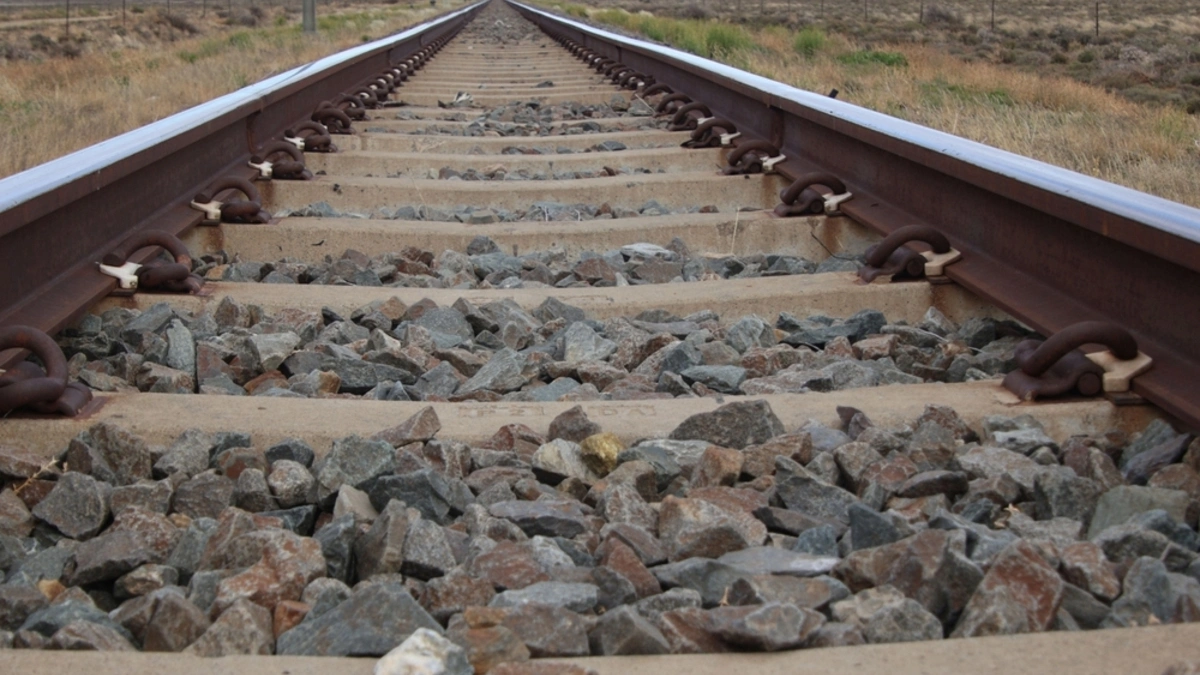
Close up of a railway line through the country side.

Transnet has reported a stronger financial and operational performance for the year ended 31 March 2026, with increased rail volumes, higher revenue and renewed progress on South Africa’s freight logistics reform programme.

In its annual results media statement, released on 10 September, the state-owned freight and logistics company reported revenue of R88.6 billion, a 7.1% increase on the previous year. Transnet also recorded a R4.6 billion profit, compared with a loss of R1.9 billion in the previous financial year.

The results suggest that some of the interventions introduced to improve the reliability of South Africa’s freight network are beginning to produce measurable gains. However, Transnet also acknowledged that significant operational and financial challenges remain.

Rail Volumes Show Signs of Recovery

Rail volumes increased by 4.9% to 167.9 million tonnes during the reporting period. Transnet attributed the improvement to focused interventions aimed at strengthening network reliability, improving maintenance execution and increasing asset availability. Pipeline volumes also increased during the year.

For customers relying on rail to move bulk commodities, minerals, manufactured goods and other freight, improved reliability can have an impact well beyond Transnet’s own results. More dependable rail services can support better production planning, reduce the need for alternative transport arrangements and improve the movement of goods between industrial areas, ports and export markets.

The company said that customers and industry stakeholders had begun to recognise improvements in rail performance and service delivery. It also noted positive feedback from the citrus sector regarding port operations and their contribution to improved export performance.

Despite this progress, Transnet’s operating environment remained difficult. The company identified derailments, rail network and rolling stock constraints, security incidents, equipment and power disruptions, adverse weather, resource shortages, community unrest and customer-related demand challenges among the issues affecting performance. The rail and port businesses were also impacted by R658 million in take-or-pay penalty adjustments.

Reinvent for Growth Remains Central to Recovery

Transnet’s recovery programme continues to be guided by its Reinvent for Growth strategy. The company said the strategy had supported targeted interventions focused on maintenance, asset reliability, operational discipline, technical capability, procurement and supply-chain efficiency.

These measures contributed to higher rail volumes, stronger cash generation and improved customer confidence, according to the statement. The broader objective is to create a more reliable and competitive freight system capable of supporting South Africa’s economic growth.

The challenge now is to ensure that these improvements are sustained. Freight customers require more than occasional operational gains. They need predictable services, consistent turnaround times and the confidence to plan production, inventory and exports around the available network.

Private Investment Changes the Port Landscape

One of the most significant developments during the year was the implementation of Transnet’s Private Sector Participation strategy through the Durban Gateway Terminal transaction.

Transnet disposed of a 49.999% interest in Durban Gateway Terminal to International Container Terminal Services Inc. (ICTSI) for R10.5 billion, with the transaction taking effect on 1 January 2026. The deal generated a reported profit on disposal of R12.5 billion, including a related fair-value adjustment.

Transnet retains a 50.001% shareholding in the terminal, while management control has transferred to ICTSI. The company described the transaction as an important step towards attracting private investment, improving operational performance and supporting the modernisation of South Africa’s port infrastructure.

The transaction also reflects a wider shift in the way the country is approaching freight logistics reform. Public infrastructure remains central to the system, but private-sector participation is increasingly being positioned as a way to bring in capital, technical expertise and operational capacity.

Infrastructure Investment Remains a Priority

Transnet invested R23.3 billion during the year in infrastructure, equipment renewal and operational improvements. The programme focused on the rail network, port performance, asset reliability and operational efficiency.

A further R14.8 billion in grant funding approved by National Treasury through the Budget Facility for Infrastructure is expected to support strategic rail and port projects. Transnet said the funding should assist infrastructure development, improve network performance and reduce future funding requirements.

For the freight industry, the value of this investment will ultimately be measured through practical outcomes: fewer disruptions, improved equipment availability, stronger port productivity and more consistent cargo flows.

Rail Reform Moves Towards Implementation

Transnet also reported progress on the structural reforms affecting South Africa’s freight rail system.

The accounting separation of Transnet Freight Rail into the Transnet Freight Rail Operating Company and the Transnet Rail Infrastructure Manager has been completed. The infrastructure manager is expected to play an increasingly important role in network quality, infrastructure management and reliability.

The company has also concluded rail access agreements with 11 train operating companies. The first private operators are expected to begin services during the 2026/27 financial year.

The introduction of third-party operators is intended to increase network utilisation, expand customer access and support additional freight volumes. Its success, however, will depend on the condition and capacity of the rail network, the effectiveness of access arrangements and the ability to coordinate different operators across shared infrastructure.

The Recovery is Underway, But the Pressure Remains

Transnet’s latest results point to progress, particularly in rail volumes, revenue generation and the implementation of freight reforms. Yet the company’s own statement makes clear that the recovery is taking place against a backdrop of equipment constraints, infrastructure challenges, security concerns and uneven demand.

The focus for the year ahead will be on improving operational reliability, increasing freight volumes, strengthening customer confidence and creating a safer and more efficient operating environment. Transnet also expects further progress in private rail participation and strategic infrastructure projects.

For South Africa’s logistics industry, the key question is whether these improvements can develop into a consistent change in the way goods move through the country. A stronger Transnet could reduce pressure on road freight, support exporters and improve the competitiveness of local industries. But that will depend on turning financial recovery and reform commitments into reliable day-to-day freight services.

Read the full Transnet annual results media statement (10 September)

Continue Reading

Freight Forwarding

A Terminal in Healing: SAFLA and the RFA Acknowledge the Movement Towards DGT Efficiency
Published

on

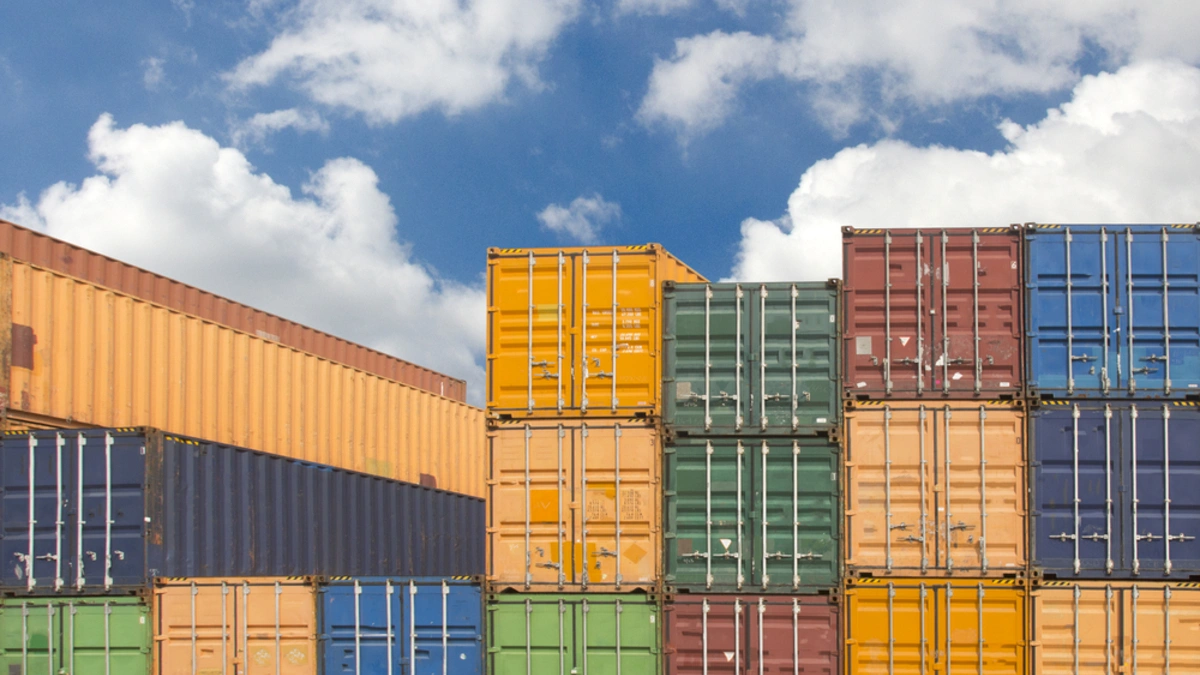
Shipping yard with stacked containers.

The South African Freight and Logistics Association (SAFLA) and the Road Freight Association (RFA) were present during the recent interaction between Durban Gateway Terminal (DGT) and relevant stakeholders and organisations that have operations or members processing cargo through the terminal.

Representatives of DGT and International Container Terminal Services Inc (ICTSI) were candid and open regarding challenges experienced – as well as what had been achieved in the period that Transnet had signed the agreement with ICSTI.

Whilst there are challenges, the terminal was functioning well – given the challenges experienced, and both DGT and ICTSI listened to comments from all present and noted that two processes were in place to address the operations at DGT. 

One was short term: this included the waiving of all terminal storage charges whilst the current set of challenges were experienced, and secondly, there was an accelerated programme to keep the various pieces of machinery operating at the best levels of safety and functionality, as was possible. Gensets had been brought in to deal with power disruptions.

In addition, DGT acknowledged the problems with the slot booking system and already had developed a solution to vastly improve the process – this was to be shared with all shareholders in due course for comment and implementation.

DGT also brought Transnet into the meeting to address certain aspects that had placed pressure on operational efficiencies.

Long-term plans: the Terminal requires significant refurbishment and upgrading / modernising to compete with the options of other ports on the Southern African continent. Much of the equipment needed has been ordered – but there are lengthy lead times in the delivery of the equipment.

“There are immediate short-term options – such as reducing the pressure on the terminal whilst upgrades and interventions are applied. Perhaps Transnet can lower container movement tariffs (from other ports) for a period, whilst DGT is brought to the level of efficiency required. As we have noted – transporters are carrying the costs of inefficiencies,” said Gavin Kelly, Chief Executive Officer of the RFA. “Fleets are standing without bookings while fixed costs run, drivers are queuing on Bayhead Road, and every standing hour ends up in the price of goods. Slot releases must match real capacity, and truck staging must be fast-tracked now. Without trucks, South Africa stops.”

“SAFLA is delighted at the waiving of storage charges whilst the current set of challenges are being experienced,” said Dave Logan of SAFLA. “This will meaningfully ease the burden on freight forwarders and their clients, and we welcome this gesture of good faith from DGT and ICTSI.”

SAFLA and the RFA stand ready to contribute member evidence and practitioner expertise to a joint recovery task team alongside DGT, Transnet, government and other industry bodies.
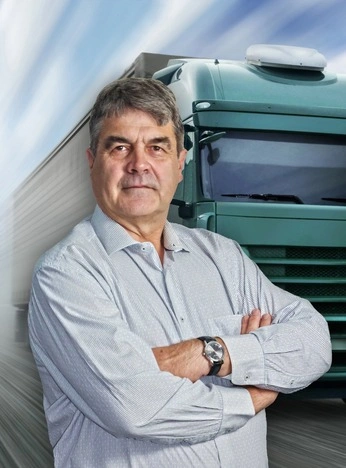
Gavin Kelly, CEO of the Road Freight Association, standing in front of a passing green freight truck.

Gavin Kelly, CEO of the Road Freight Association

Headshot of Dave Logan – Executive Officer of SAFLA.

Dave Logan – Executive Officer of SAFLA

Continue Reading

Trending