
Materials Handling
South Africa’s E-Commerce Boom is Hiding a Profit Crisis


South Africa’s e-commerce sector is booming. The market is on track to surpass R130 billion in turnover this year. Local online sales are growing at roughly 20% and the sector handles over 100 million shipments annually. According to World Wide Worx, online shopping now represents 8% to 10% of total national retail – expanding at nearly ten times the rate of traditional brick-and-mortar stores.
But the uncomfortable truth is that while revenue is rising, profit margins are shrinking.
The problem isn’t marketing
When profits come under pressure, most merchants reach for the same playbook. They spend more on ads, push harder on sales, or negotiate lower product costs, rarely looking in the right place. The real profit drain doesn’t happen in marketing. It happens silently in fulfilment and last mile delivery. Margin loss is a death by a thousand cuts, from small, hidden inefficiencies spread across delivery networks, fuel surcharges, poor courier choices, and unexamined invoices.
If you want to protect your margins, you need to stop these seven main profit leaks.
1. Unchecked Last-Mile Costs
Globally, last-mile delivery accounts for up to 53% of total logistics costs, and South Africa is no exception. As customer expectations around free or discounted shipping rise, unmanaged delivery fees quickly erode profit per order. Smart merchants constantly benchmark courier rates and avoid relying on a single provider.
By testing multiple options based on price, location and delivery requirements, you can protect margins without sacrificing speed and reliability. Or choose a platform that offers multiple courier partners.
2. Unpredictable Fuel Surcharges
Fuel is one of the largest cost variables in local transport. Couriers adjust their fuel levies monthly, making shipping expenses unpredictable. If you only look at your base shipping rates without tracking fluctuating landed costs, your margins will take a hit.
Shipping platforms that provide transparent, up-to-date rates and factor fuel surcharges into the total costs give you a clearer picture of actual spending. This can help you spot the most cost-effective options.
3. Poor Courier Allocation
No single courier performs equally across the entire country. A provider with great coverage and pricing in Cape Town might deliver poor service or higher rates in Durban or Johannesburg. Assigning orders based on rigid rules leads to higher costs and slower delivery times.
Solutions to this issue do exist, and a good place to start is by matching the courier you’re going with to your specific delivery zone based on real-time cost and success rates.
Shipping solutions can enable your business to connect with multiple courier partners. These platforms support teams in dynamically selecting the best carrier for each delivery area. This is based on current rates, coverage, and delivery performance data. The right partnership should lead to lower shipping costs while improving delivery reliability across provinces.
4. The Cost of Failed Deliveries
Every failed delivery attempt hits your bottom line. Every return-to-origin attempt results in extra fuel, customer support time, and re-routing. Simple fixes like automated address validation and proactive delivery tracking notifications can significantly reduce these unnecessary attempts, keeping customers informed at every step.
5. Reverse Logistics Escalation
Returns are a double penalty. Processing a return creates a second fulfilment journey, with extra transport costs, inventory hold-ups, and double handling. Track which products and locations generate the most returns. Understanding your return hotspots helps you spot delivery exceptions early and prevent items from heading back unnecessarily.
6. Unaudited Billing Discrepancies
Small invoice errors quickly multiply when you’re moving thousands of monthly dispatches. Volumetric weight adjustments, incorrect service charges, and system mismatches are just some of the typical suspects. Without regular invoice audits and automated reconciliation, you are likely overpaying. The right tools match courier invoices against actual shipment details. This assists in identifying billing discrepancies and overcharges before they accumulate across thousands of orders.
7. Operating in the Dark
You cannot fix what you do not measure. Most e-commerce teams closely track sales, web traffic, and conversion rates, but few have clear visibility over their true fulfilment cost per order or individual courier performance.
Real time logistics dashboards are the only way to catch operational leaks early. They provide visibility and actionable insights from one place, giving you the data you need to make smarter decisions.
Moving Beyond Cheaper Rates
Protecting your margins is not simply about demanding cheaper shipping rates. It requires a shift toward intelligent, data-driven fulfilment.
By adopting multi-courier management strategies, dynamically routing packages based on regional performance, and automated invoice auditing, South African merchants can safeguard their bottom line. In a competitive market, sustainable growth belongs to the merchants who manage their operational details as tightly as their sales funnels.
The profit leaks are there. You just need to find them.

Written by: Angus LePine Williams, Head of Operations at Shiprazor

Heavy rain, dense fog, flooding and icy conditions can affect roads, routes and delivery schedules with little warning. For businesses, the consequences can move quickly beyond a delayed parcel. Inventory can be stranded, customer commitments can be missed, production schedules can be disrupted and revenue can be put under pressure.
In South Africa, disruption is often localised. Rain in the Western Cape, fog in parts of Gauteng and Mpumalanga, or hazardous conditions on inland routes may affect one part of a network while operations elsewhere continue. In a connected network, however, a local disruption can create a wider ripple effect when shipments, inventory and delivery commitments depend on connected routes.
For FedEx, resilience is therefore not about trying to eliminate disruption. It is about having enough visibility to see risk early, enough flexibility to adjust the plan and the operational capability to respond before a local problem becomes a wider business issue.
“Weather can add another layer of complexity to logistics operations, especially when poor visibility, road closures or changing conditions affect planned routes,” says Nelson Teixeira, Managing Director of Operations for Sub-Saharan Africa at FedEx. “Businesses that understand where their risks are and have contingency plans in place are in a stronger position to adjust when needed and communicate proactively with customers.”
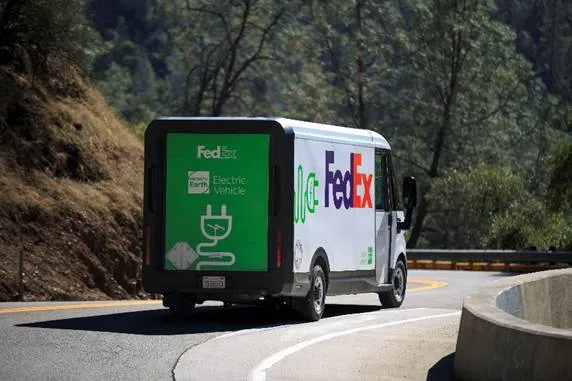
Prepare for Disruption
The strongest response to a weather event often begins before the weather arrives. Businesses should know which shipments, routes and inventory positions are most critical to continuity. That can mean identifying alternative routes, allowing appropriate contingency in time-sensitive deliveries, reviewing where critical inventory is held, and establishing clear priorities for shipments that cannot afford extended delays.
This is where the relationship with a logistics provider matters. A resilient network is not simply a collection of transport options; it is the ability to use those options when circumstances change.
For businesses moving urgent or export-bound goods, flexibility can also mean having access to services designed around time-sensitive international movement. FedEx International Priority® is a time-definite, customs-cleared international service available to more than 220 countries and territories, with shipment tracking included. The value during disruption is not simply speed; it is having a defined service option when timing is central to a customer or commercial commitment. Availability and transit times vary by origin, destination and shipment.
See Risk Earlier
Preparation creates flexibility. Visibility helps businesses know when to act.
“Good visibility gives businesses more options,” says Teixeira. “If you know where a shipment is and can see where delays may be developing, you have a better chance of responding early. That might mean adjusting a plan, preparing for a revised delivery time or simply giving a customer an update before they have to ask.”
FedEx offers a range of visibility, monitoring and intervention capabilities designed to support critical shipments. For selected shipments, FedEx Priority Alert® provides enhanced shipment status tracking and operational recovery procedures. For temperature-sensitive shipments, Priority Alert Plus™ adds proactive intervention capabilities, including re-icing, gel-pack replenishment and cold storage. These services are designed to give critical shipments additional oversight when conditions become more challenging.
Respond with Agility
Once disruption is developing, the advantage comes from being able to act before every option has narrowed. A route may need to change or a customer may need a revised expectation. Inventory or receiving teams may need to prepare for a different arrival time. The earlier businesses can identify the risk and assess their options, the more opportunity they have to mitigate its impact.
This is particularly relevant in South Africa, where disruption in one corridor can have consequences across a connected network. The ability to recognise and absorb that disruption quickly therefore becomes critical.
For businesses, communication is part of that response. Customers may accept that weather is outside a company’s control, but uncertainty is harder to manage. Realistic, revised timelines and proactive updates give customers something they can plan around.
“Reliability does not mean that everything will always go exactly according to plan,” says Teixeira. “Sometimes unexpected challenges arise and delays happen. The key is having the right information, coordinating closely and responding in a way that keeps both the business and the customer informed.”
That is the practical meaning of resilience in a logistics network. It is not the promise that disruption will never happen, but the ability to see risk, adapt and reduce the uncertainty surrounding it.
Weather will continue to disrupt routes, close roads and put pressure on delivery networks. Businesses cannot control those conditions, but they can prepare for where disruption matters most and respond while there is still time to act.
That can help protect inventory, business continuity and customer commitments, while maintaining the confidence that customers place in a business when it matters most.


Hammer Blow to Road Freight Logistics With October Fuel Price Hike: What This Means for the Road Logistics Sector and Consumer

Is Your Logistics Business the One AI Recommends? A Cape Town Agency’s Numbers Say It’s Starting to Matter

Opinion Piece: Open Access to Rail Can Be a Game-Changer for SA, But Only if Infrastructure Investment Accelerates


-

 Management3 months ago
SEO, AEO, GEO and SEO for AI: What Is the Difference for the Supply Chain Industry?
-

 Transport4 months ago
LDV T60 Max vs GWM P500 vs Isuzu D-Max vs Toyota Hilux vs Ford Ranger: Which Double-Cab Bakkie Offers the Best Value?
-

 Logistics4 months ago
DHL Group to invest around € 160 million in 2026-2027 to strengthen logistics infrastructure and support clean energy transition in France
-

 Logistics4 months ago
DHL Expands Asia Pacific Data Center Logistics Capabilities to Support Growing Regional Demand
-

 Logistics3 months ago
Top 5 Warehousing and Logistics Companies in the Western Cape by Google Review Rating
-

 Logistics4 months ago
Top 10 Warehousing and Logistics Companies in Gauteng by Google Review Rating
-

 Freight Forwarding4 months ago
The Hidden Cost of Shipping from China to South Africa — What Every SA Importer Needs to Know in 2026
-

 Logistics3 months ago
Top 4 Lift Truck Companies in Gauteng