
Freight Forwarding
Increasing the Pressure on Road Freight Logistics – September Fuel Prices Due to Squeeze Consumers Again

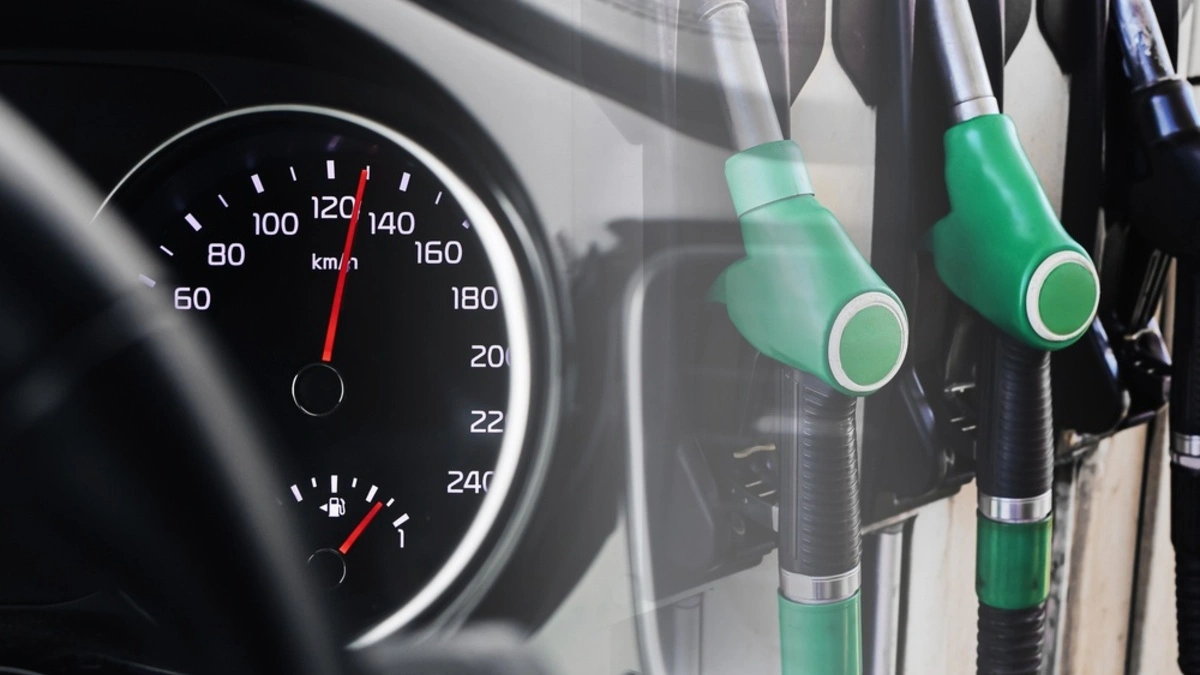
Fuel cost on the rise – AGAIN
Fuel prices are set to increase sharply on Wednesday night at 24h00 – basically due to higher international prices.
In addition, there will be a further 4.9c a litre increase due to the wage increase for forecourt employees as well as a 21,9c a litre for the slate levy. This will see 93 ULP/LRP: at R26.76 per litre and 95 ULP/LRP at R26.92 per litre.
Diesel will climb to R29.11 per litre 500ppm (wholesale) and R30.05 per litre 50ppm (wholesale). Every litre of fuel consumed on South Africa’s roads affects the underlying health of the country’s logistics economy. Changes in fuel prices have a far-reaching effect on the country’s supply chain, transport systems, the wider logistics industry as well as the pricing of goods on store shelves.
This increase in the price of fuel is yet another reminder of just how highly susceptible the industry is to the volatility of global oil markets. As fuel prices rise, transport companies, fleet operators, and freight customers must brace for the pressure on operational costs.
Depending on the type of operation, routes, vehicles and specific conditions of the transport leg, fuel can be anywhere between 35% and 55% of operating costs. Fuel is one of the three largest operating costs in the transport industry, thus even small price fluctuations can have significant consequences. South Africa moves more than 80% of the land-based freight via road freight (and a large amount of the general freight on rail also uses diesel) – one can understand that highly volatile fuel prices have an effect far beyond the road freight industry.
Diesel at the Heart of Freight Costs
In the coming fuel price increase, both grades of petrol will increase by 5,27% whilst diesel will increase increased by 11,23% or 11,71%, depending on the amount of sulphur – resulting in an average of 11,35% increase on the cost base of between 35% and 55% as noted above.
Diesel fuels a great majority of freight movement in the country, from line haul trucks that link ports and distribution centres to small delivery vehicles supplying local markets.
Since almost every sector depends on road freight, the changes in diesel prices have an exponential and expanded effect on the logistics industry and, unfortunately, the impact of fuel costs is inevitable.
As noted earlier, fuel is one of the biggest variable expenses and it impacts both short – and long-distance operations – it affects all legs in a logistics chain, and some transporters will now face severe cash flow constraints.
Global Pressures Shaping Local Fuel Prices
Global fuel market dynamics play an enormous role in determining fuel prices – supply and demand remains very relevant in what the (global) customer is prepared to pay for a barrel of oil, as well as the perceived shortage that drives a buying spree and thus the price for a barrel. Secondly, as oil is primarily bought with US Dollars – the value of the Rand against the Dollar plays a further (in our case) role in more expensive fuel at the pump.
Unfortunately, the majority of the petroleum products (crude oil and refined petroleum products) consumed in South Africa is imported, and this directly results in the domestic fuel cost either rising or falling.
The September increase is primarily caused by the increasing global oil prices, geopolitical concerns, and the growing instability in the global supply of energy networks.
Political turmoil in major oil producing countries has now caused increased volatility to the market, which has led to worries about possible interruptions to the major distribution and transportation routes.
Oil markets typically react quickly to geopolitical risks, pushing crude prices higher and driving up the cost of refined fuel products downstream. For an economy like South Africa that imports oil, the outcome is often inevitable: higher domestic energy prices.
The ripple effect across logistics
Again, the fuel price increase does not end at the pump price: once fuel prices increase, the cost of moving goods from production sites to distribution centres, and finally to retailers is all exposed to price increases.
Road freight plays a crucial role in the long-distance moving of goods among ports, factories, warehouses, and retail locations.
Freight companies need to remain financially viable, and thus transport companies must choose whether to increase their rates (by a variety of factors of either full fuel price increase or a percentage thereof), or whether they have the financial reserves to withstand the increases. The latter will place pressure on cashflow and reserves. Rate adjustments are often inevitable due to the recurring fuel price strain, even if some transport operators may temporarily withstand the cost to preserve contracts and relationships with clients.
How Operators are Managing Volatility
The transportation sector has grown increasingly defined by the volatility of fuel prices, and many transport companies adjust by reducing the volume of fuel used – fleet managers lever telematics technology, fuel choice, optimal routing software, driver training, new engine / vehicle technologies, congestion and standing time minimisation / avoidance and even load sharing.
Environmentally friendly driving techniques, better vehicle maintenance, and more sophisticated logistics planning are now essential resources for controlling operating expenses.
Fuel adjustment methods have been incorporated in several transport contracts, enabling operators to partially compensate for the rapid price changes without disrupting long term commitments. These approaches may reduce the effects of the rising fuel prices; however, they are not sufficient to eradicate them.
Navigating an Uncertain Road Ahead
The fuel price increase in September illustrates how vulnerable the country’s transport sector is to international energy trends.
Unfortunately, it is difficult to completely rule out further fuel price increases. Already the indicators are that tensions in the Middle East will continue to place pressure on fuel prices, and it is important to note that the northern hemisphere is now heading towards winter which will increase demand for fuel.
Thus, the ongoing geopolitical tension, the surge in risk, coupled with the supply and demand factor will continue to float high fuel prices and adaptability will continue to be vital for South Africa’s freight sector.
Transport companies’ strategies for navigating this increasingly unstable operating environment will continue to be shaped by limiting fuel use, enhancing operational efficiency, and preparing for unpredictability.
One thing is certain: In a country that is dependent on road freight, such as South Africa, every adjustment in the price of diesel has consequences extending past the petrol pump, it goes deep into the transport systems that keep the country running.
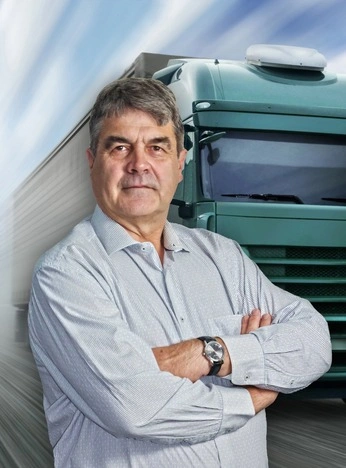
Gavin Kelly, CEO of the Road Freight Association








Freight Forwarding
A Terminal in Healing: SAFLA and the RFA Acknowledge the Movement Towards DGT Efficiency
The South African Freight and Logistics Association (SAFLA) and the Road Freight Association (RFA) were present during the recent interaction between Durban Gateway Terminal (DGT) and relevant stakeholders and organisations that have operations or members processing cargo through the terminal.
Representatives of DGT and International Container Terminal Services Inc (ICTSI) were candid and open regarding challenges experienced – as well as what had been achieved in the period that Transnet had signed the agreement with ICSTI.
Whilst there are challenges, the terminal was functioning well – given the challenges experienced, and both DGT and ICTSI listened to comments from all present and noted that two processes were in place to address the operations at DGT.
One was short term: this included the waiving of all terminal storage charges whilst the current set of challenges were experienced, and secondly, there was an accelerated programme to keep the various pieces of machinery operating at the best levels of safety and functionality, as was possible. Gensets had been brought in to deal with power disruptions.
In addition, DGT acknowledged the problems with the slot booking system and already had developed a solution to vastly improve the process – this was to be shared with all shareholders in due course for comment and implementation.
DGT also brought Transnet into the meeting to address certain aspects that had placed pressure on operational efficiencies.
Long-term plans: the Terminal requires significant refurbishment and upgrading / modernising to compete with the options of other ports on the Southern African continent. Much of the equipment needed has been ordered – but there are lengthy lead times in the delivery of the equipment.
“There are immediate short-term options – such as reducing the pressure on the terminal whilst upgrades and interventions are applied. Perhaps Transnet can lower container movement tariffs (from other ports) for a period, whilst DGT is brought to the level of efficiency required. As we have noted – transporters are carrying the costs of inefficiencies,” said Gavin Kelly, Chief Executive Officer of the RFA. “Fleets are standing without bookings while fixed costs run, drivers are queuing on Bayhead Road, and every standing hour ends up in the price of goods. Slot releases must match real capacity, and truck staging must be fast-tracked now. Without trucks, South Africa stops.”
“SAFLA is delighted at the waiving of storage charges whilst the current set of challenges are being experienced,” said Dave Logan of SAFLA. “This will meaningfully ease the burden on freight forwarders and their clients, and we welcome this gesture of good faith from DGT and ICTSI.”
SAFLA and the RFA stand ready to contribute member evidence and practitioner expertise to a joint recovery task team alongside DGT, Transnet, government and other industry bodies.
Gavin Kelly, CEO of the Road Freight Association

Dave Logan – Executive Officer of SAFLA

Moving with Purpose: Why Reliable Passenger Transport Strengthens Communities and Business Continuity

FNB and Wesbank Renew On The Road Partnership as Road Freight Podcast Surges Past 300,000 Views and 7,000 Youtube Subscribers

Port of Saldanha Secures R6.9bn Industrial Investment Pipeline


-

 Management3 months ago
SEO, AEO, GEO and SEO for AI: What Is the Difference for the Supply Chain Industry?
-

 Transport4 months ago
LDV T60 Max vs GWM P500 vs Isuzu D-Max vs Toyota Hilux vs Ford Ranger: Which Double-Cab Bakkie Offers the Best Value?
-

 Logistics4 months ago
DHL Group to invest around € 160 million in 2026-2027 to strengthen logistics infrastructure and support clean energy transition in France
-

 Logistics4 months ago
Top 5 Warehousing and Logistics Companies in the Western Cape by Google Review Rating
-

 Logistics4 months ago
DHL Expands Asia Pacific Data Center Logistics Capabilities to Support Growing Regional Demand
-

 Logistics4 months ago
Top 10 Warehousing and Logistics Companies in Gauteng by Google Review Rating
-

 Freight Forwarding4 months ago
The Hidden Cost of Shipping from China to South Africa — What Every SA Importer Needs to Know in 2026
-

 Logistics3 months ago
Top 4 Lift Truck Companies in Gauteng