
Freight Forwarding
Cargo Must Move: SAFLA and the RFA Call for a Unified DGT Recovery Compact

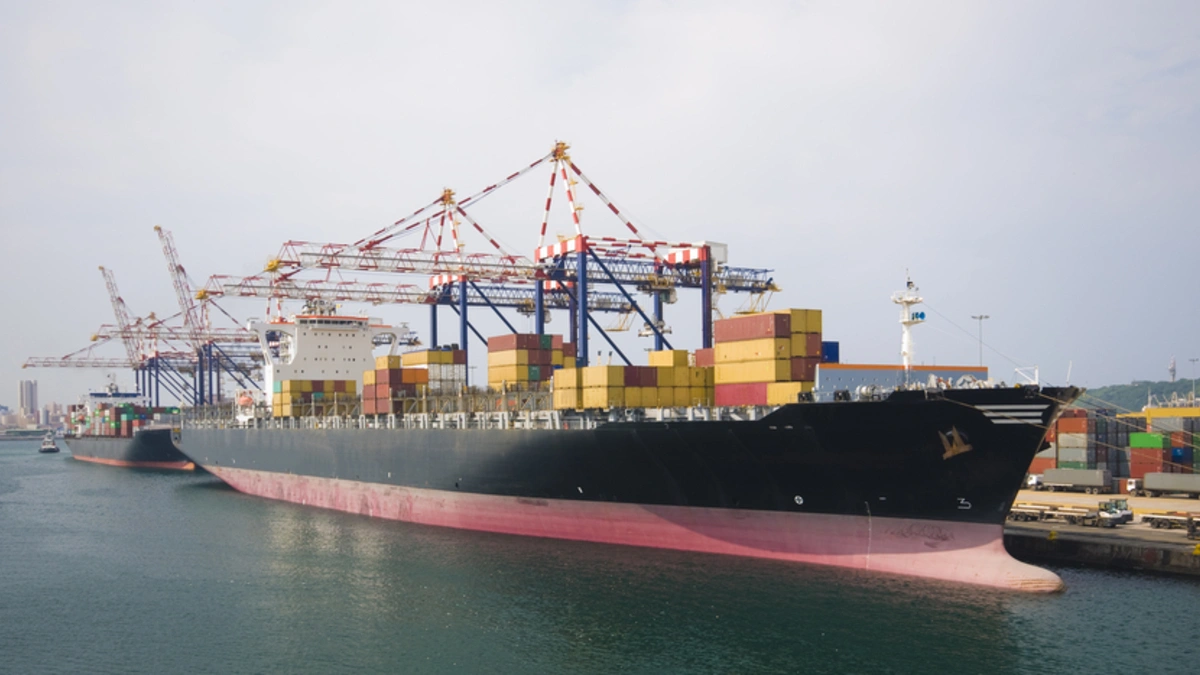
The South African Freight and Logistics Association (SAFLA) and the Road Freight Association (RFA) are jointly calling for an immediate, unified recovery plan to restore predictable cargo flow through Durban Gateway Terminal (DGT) after sustained disruption across vessel, yard, system and landside operations.
The record is stark. In July, vessels at DGT averaged some 80 hours at anchorage and 106 at berth. After the mid-August NAVIS N4 cutover, weekly throughput fell 26% and reported terminal waits reached eight to 12 days. Independent monitoring data shows average Durban port call time rising from under five days in late June to more than twelve by late August, and monthly berth calls down from 34 to 19 since May. On the roadside, the time transporters spend in the port precinct per visit has risen by more than half in three months, while Bayhead Road transit times have climbed steadily since January. The whole gateway is slowing.
The cost runs well beyond storage and demurrage: production lines waiting for inputs, emergency airfreight at a multiple of ocean cost, and trucks standing without bookings. In the 2023 logistics crisis, the GAIN Group put the cost of freight-system dysfunction at around R1 billion a day in lost output. Durban is running the same mechanisms again.
International Container Terminal Services Inc (ICTSI) assumed operational responsibility for DGT on 1 January 2026 under a 25-year partnership with Transnet, inheriting longstanding infrastructure, yard, road and rail constraints alongside pre-handover investment in 20 new straddle carriers and four ship-to-shore cranes. The question is no longer equipment purchased, but equipment available, reliable and synchronised. The NAVIS N4 transition did not create DGT’s constraints; it compounded them.
Accountability must follow the contracts: cargo owners contract with shipping lines, the lines with the terminal, and Transnet granted the concession under defined performance commitments. Transnet and the shipping lines therefore hold the standing to bring the terminal to account — and neither should pass the cost of disruption down a chain that controls none of it.
“Cargo owners and freight forwarders do not experience the port as separate institutions. They experience one chain,” says David Logan, Executive Officer of SAFLA. “If systems, straddles, slots, gates, roads or rail fail to align, cargo stops. The priority is not institutional blame. It is disciplined recovery, with clear owners, deadlines and one trusted set of numbers.”
“Transporters are carrying this crisis on their balance sheets,” continues Gavin Kelly, Chief Executive Officer of the RFA. “Fleets are standing without bookings while fixed costs run, drivers are queuing on Bayhead Road, and every standing hour ends up in the price of goods. Slot releases must match real capacity, and truck staging must be fast-tracked now. Without trucks, South Africa stops.”
The associations propose a DGT Recovery Compact built on five actions:
1. One recovery structure — the terminal, Transnet entities, eThekwini, shipping lines, transporters, labour and industry bodies in one daily structure, with government facilitating rather than managing.
2. A public, 30-day recovery plan — daily targets and one public dashboard: vessel waiting and berth times, crane productivity, equipment availability, system stability, yard utilisation, dwell, truck turnaround, rail evacuation.
3. Stabilisation of systems, equipment and the yard — NAVIS Hypercare retained until cargo-flow thresholds are sustained, backed by a straddle and crane reliability programme and accelerated evacuation of long-dwell containers.
4. A coordinated landside plan — appointment releases aligned with real capacity, published slot schedules, reasons for cancellations, disclosure of any preferential access, and fast-tracked truck staging.
5. Fair commercial treatment — transparent prioritisation of reefers, perishables and critical cargo, and published relief processes for storage, demurrage and detention where delays lay beyond the cargo owner’s control.
The associations acknowledge DGT’s Hypercare support, storage extensions and Radar platform, and the Presidency’s involvement. What is still missing is one consolidated, independently understandable set of performance indicators.
“The Transnet–ICTSI partnership was created to change Durban’s trajectory, and we want it to succeed,” Logan says. “Success will be measured by predictable berthing, productive ship hours, reliable truck access, effective rail evacuation and cargo arriving on time. Durban needs one recovery plan, one set of trusted numbers and shared accountability. Cargo must move — and it must keep moving.”
SAFLA and the RFA stand ready to contribute member evidence and practitioner expertise to a joint recovery task team alongside DGT, Transnet, government and other industry bodies.
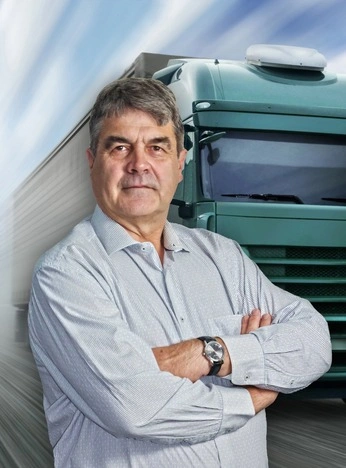
RFA Chief Executive Officer Gavin Kelly
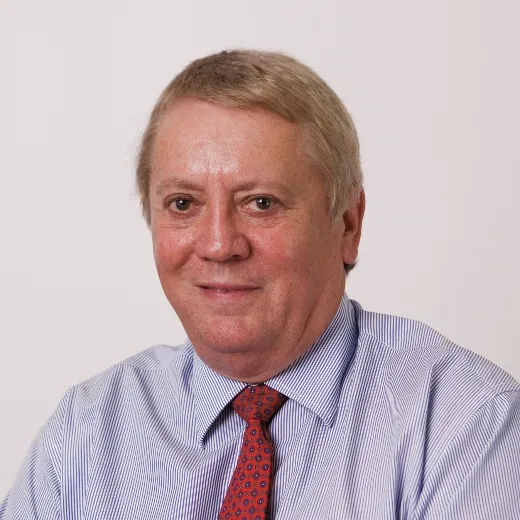
SAFLA’s Executive Officer Dave Logan
Freight Forwarding
A Terminal in Healing: SAFLA and the RFA Acknowledge the Movement Towards DGT Efficiency
The South African Freight and Logistics Association (SAFLA) and the Road Freight Association (RFA) were present during the recent interaction between Durban Gateway Terminal (DGT) and relevant stakeholders and organisations that have operations or members processing cargo through the terminal.
Representatives of DGT and International Container Terminal Services Inc (ICTSI) were candid and open regarding challenges experienced – as well as what had been achieved in the period that Transnet had signed the agreement with ICSTI.
Whilst there are challenges, the terminal was functioning well – given the challenges experienced, and both DGT and ICTSI listened to comments from all present and noted that two processes were in place to address the operations at DGT.
One was short term: this included the waiving of all terminal storage charges whilst the current set of challenges were experienced, and secondly, there was an accelerated programme to keep the various pieces of machinery operating at the best levels of safety and functionality, as was possible. Gensets had been brought in to deal with power disruptions.
In addition, DGT acknowledged the problems with the slot booking system and already had developed a solution to vastly improve the process – this was to be shared with all shareholders in due course for comment and implementation.
DGT also brought Transnet into the meeting to address certain aspects that had placed pressure on operational efficiencies.
Long-term plans: the Terminal requires significant refurbishment and upgrading / modernising to compete with the options of other ports on the Southern African continent. Much of the equipment needed has been ordered – but there are lengthy lead times in the delivery of the equipment.
“There are immediate short-term options – such as reducing the pressure on the terminal whilst upgrades and interventions are applied. Perhaps Transnet can lower container movement tariffs (from other ports) for a period, whilst DGT is brought to the level of efficiency required. As we have noted – transporters are carrying the costs of inefficiencies,” said Gavin Kelly, Chief Executive Officer of the RFA. “Fleets are standing without bookings while fixed costs run, drivers are queuing on Bayhead Road, and every standing hour ends up in the price of goods. Slot releases must match real capacity, and truck staging must be fast-tracked now. Without trucks, South Africa stops.”
“SAFLA is delighted at the waiving of storage charges whilst the current set of challenges are being experienced,” said Dave Logan of SAFLA. “This will meaningfully ease the burden on freight forwarders and their clients, and we welcome this gesture of good faith from DGT and ICTSI.”
SAFLA and the RFA stand ready to contribute member evidence and practitioner expertise to a joint recovery task team alongside DGT, Transnet, government and other industry bodies.
Gavin Kelly, CEO of the Road Freight Association

Dave Logan – Executive Officer of SAFLA

A Game-Changer in South Africa’s Port Structural Reform

Hammer Blow to Road Freight Logistics With October Fuel Price Hike: What This Means for the Road Logistics Sector and Consumer

Is Your Logistics Business the One AI Recommends? A Cape Town Agency’s Numbers Say It’s Starting to Matter


-

 Management3 months ago
SEO, AEO, GEO and SEO for AI: What Is the Difference for the Supply Chain Industry?
-

 Transport4 months ago
LDV T60 Max vs GWM P500 vs Isuzu D-Max vs Toyota Hilux vs Ford Ranger: Which Double-Cab Bakkie Offers the Best Value?
-

 Logistics4 months ago
DHL Group to invest around € 160 million in 2026-2027 to strengthen logistics infrastructure and support clean energy transition in France
-

 Logistics3 months ago
Top 5 Warehousing and Logistics Companies in the Western Cape by Google Review Rating
-

 Logistics4 months ago
DHL Expands Asia Pacific Data Center Logistics Capabilities to Support Growing Regional Demand
-

 Logistics4 months ago
Top 10 Warehousing and Logistics Companies in Gauteng by Google Review Rating
-

 Freight Forwarding4 months ago
The Hidden Cost of Shipping from China to South Africa — What Every SA Importer Needs to Know in 2026
-

 Logistics3 months ago
Top 4 Lift Truck Companies in Gauteng