Connect with us

Warehousing

Load Shedding’s Effects on South Africa’s Warehousing Sector.

Published

on

Dim Lightbulb on the ground

Skip to what you want

Table of contents:

In recent years South Africa has seen the collapse of energy infrastructure, and with-it rolling blackouts. Warehousing in South Africa is among one of the many industries affected by load shedding.

Warehouses are hit particularly hard by load shedding as they rely heavily on a consistent flow of electricity for their day-to-day operations. Today we will explore the challenges to warehousing in South Africa and the impact that load shedding has on the warehousing industry.

Direct effects of load shedding on warehousing

1. Perishable Goods & Public Health Risks

Many warehouses store perishable goods, such as food, pharmaceuticals, and other temperature-sensitive products. Without a continuous power supply, refrigeration systems fail, which leads to spoilage and significant inventory losses.

If these goods are not disposed of at the source or prior to shipping, they could potentially reach store shelves and households. The possibility of spoiled goods, such as food, causing illness highlights the indirect health risk posed by load shedding to citizens.

As such the impact is not only financial but can also have severe consequences for public health, especially when it comes to storing life-saving medical supplies. These items only require one opportunity to slip through an inventory check in a single large order to pose a health risk.

2. Safety & Security Concerns

Loadshedding compromises the safety and security of warehouses. Dim or no lighting increases the risk of workplace accidents and injuries for workers navigating the facility. Additionally, security systems, including surveillance cameras, alarms, and access control systems, heavily rely on electricity to function.

Operating in South Africa is a significant challenge, especially given the additional 4% increase in crimes, such as robbery, on top of an already high starting point. When load-shedding occurs and the security systems fail, leaving the warehouse more vulnerable. This risk is heightened by the fact that criminals have complete access to the scheduled downtime, potentially providing them with an exact timeframe in which to strike.

3. Damaged Equipment

Loadshedding poses a significant risk to the equipment and machinery within warehouses. Abrupt shutdowns and power surges during a blackout can damage electrical systems, computer servers, and automation equipment.

Repairing or replacing damaged equipment can be costly and time-consuming, further exacerbating the impact of load shedding on warehousing operations. Regular maintenance and backup power systems are crucial to safeguarding equipment and minimising downtime during these power interruptions.

4. Indirect Damage Loss of Productivity

This damage comes in the form of a slowdown in the supply chain and the loss of productivity, essentially goods take longer to reach warehouses when the lights are out. This has a knock-on effect on large parts of the supply chain.

What this translates to is someone else further down the supply chain can’t get the goods they need to perform their job and the cycle continues down the supply chain. This not only has a financial impact on the warehouse and creates stock-out situations but those depending on these warehouses for potentially lifesaving supplies such as medicines will be left without the supplies they rely upon.

5. Reputational Damage

Loadshedding can also have a significant impact on the reputation of warehouses and customer confidence in these warehouses. When warehouses experience prolonged downtime or are unable to meet delivery deadlines due to power outages, it can lead to dissatisfied customers and ultimately damage the reputation of the warehouse or the company which is linked to that warehouse.

Clients may end up losing trust in your warehouse’s ability to store and handle their goods reliably. Maintaining a consistent and uninterrupted power supply through backup solutions demonstrates a commitment to customer satisfaction and helps preserve the warehouse’s reputation as a dependable partner.

The reality is that other warehousing solutions will have an alternative energy solution in place to keep their warehouses functioning during load-shedding. If your warehouse cannot provide the same service or better, there will naturally be reputational damage.

Indirect effects of Load Shedding on Warehousing

At this time, I would like to highlight the indirect damage caused by loadshedding in the context of warehousing. This is because it’s important to consider the effects of loadshedding further down the chain to get a more complete picture of the consequences of frequent blackouts and how they affect warehousing.

1. Data Loss

Load shedding can result in data loss if systems are not properly backed up. This could impact inventory management, order processing, and financial data, causing inaccuracies and inefficiencies.

This hits warehouse management systems (WMS) particularly hard because if power is suddenly lost the WMS can lose data or experience data corruption.

This data corruption is primarily caused by loss of power as portions of data move between systems. Essentially the sender device and receiver device have shut down while portions of data are still in free flow between each other causing the partial portion of data that was received to be corrupt.

2. Delayed Investment & Resource drain

Companies may be less willing to invest in expansions or upgrades to their existing warehousing facilities due to the instability caused by load shedding.

This makes perfect sense, as the added costs of backup power solutions inevitably eat into a portion of the resource’s companies would otherwise be able to allocate to expansion and upgrades to their warehouse.

3. Legal Complications

Due to frequent interruptions in service caused by load-shedding, warehouses may face legal complications if they are unable to meet contractual obligations with customers or suppliers.

This is another reason warehouses have little choice but to invest in alternative energy solutions, because they have obligations to meet with their clients.

4. Difficulty in Forecasting and Planning

Power cuts can make it difficult for warehouses to accurately forecast demand and plan their operations, leading to inefficiencies and potential losses of both clients and income.

This links directly back to point three, where load shedding can cause the warehousing solution to be unable to meet its obligations to clients, because of the difficulty planning for its future around the ever-changing load shedding schedule.

5. Economic Instability

The economic instability caused by load shedding can have a wider impact on consumer spending and business confidence, potentially leading to decreased demand for warehousing services over time.

For example, we could see a slow decline in the ability to afford warehousing solutions due to the increased costs caused by load shedding such as investment in backup generation capacity.

Conclusion

Load shedding has a wide-ranging impact on warehouse operations, inventory management, equipment functionality, safety measures, and overall security. The consequences reach beyond monetary losses but extend to supply chain disruptions and public safety concerns.

Proactive planning and preparedness are critical for limiting the negative effects of load shedding on warehouses and maintaining a resilient supply chain.

Logistics

 Can Your Business Handle 22% More Online Orders?

Published

on

Sahil Affriya, CEO of online logistics partner of Shiprazor.

South Africa’s online retail market is growing at around 22.5% this year. For retailers heading into Black Friday and the festive season, there is a fairly obvious question behind that number: what happens if your business suddenly has to process, pack and deliver 20% more orders?

It is a question Sahil Affriya, founder and CEO of multi-courier logistics platform Shiprazor, believes retailers should be answering now, rather than in November.

The newly released Online Retail in South Africa 2026 report, produced by World Wide Worx in partnership with Mastercard, Peach Payments and Ask Afrika, and supported by Shiprazor, forecasts that South Africa’s online retail market will reach R159 billion in 2026.

On a turnover-weighted basis, the market is expanding at approximately 22.5% this year, between five and ten times the rate of physical retail. The report also shows just how much bigger the market has become: online retail is expected to add more turnover during 2026 alone than the entire South African online retail market generated in 2020.

That is good news for ecommerce. But growth at that pace has consequences.

More orders mean more pressure on stock systems, warehouses, customer-service teams, courier capacity and returns. And with retailers typically reluctant to make significant changes to business-critical technology once peak trading begins, the window to find and fix weaknesses is getting smaller.

“Twenty-two percent growth sounds fantastic until you start thinking about what it means on a busy Monday morning in November,” says Affriya. “If there are suddenly hundreds more orders sitting in your system, can your warehouse get them out? Can your courier partners absorb the volume? And, importantly, can you see quickly enough when something has gone wrong?”

Affriya says retailers don’t need to predict their exact Black Friday volumes. They do need to know where their operation starts to strain, and have a plan for absorbing additional orders when demand moves beyond expectations.

He suggests focusing on a few practical areas before peak-season systems are locked down.

Prepare for Unpredictable Order Volumes

Testing whether a website can handle increased traffic is only one part of peak-season preparation. Retailers should put the entire order journey under pressure, from checkout and stock allocation through to picking, packing, dispatch and delivery. Testing different order volumes can show where delays or manual work start creeping in, giving teams time to address those pressure points before peak demand arrives.

“Don’t just test whether someone can buy from you, test whether you can actually fulfil what you’ve sold,” says Affriya.

Build the Right Courier Mix

Retailers should understand how much additional volume their delivery and fulfilment partners can accommodate, particularly on their busiest routes and trading days. That also means looking at the mix of courier partners available and understanding which are best suited to different delivery areas, service requirements, costs and order volumes.

They should also know what happens when things don’t go according to plan. If one delivery option becomes constrained, is there another available? How quickly can orders be moved? Who makes that decision?

“Peak season exposes dependencies that are easy to ignore during normal trading,” says Affriya. “If your delivery operation relies heavily on one provider or one process, you want to know where that risk sits before volumes spike.”

Keep Shipping Costs Under Control

Higher order volumes don’t automatically translate into better margins if fulfilment and delivery costs rise with them. Retailers should understand what they are spending to fulfil and deliver each order, and where unnecessary costs start appearing as volumes increase.

That includes looking beyond headline courier rates to factors such as delivery area, service level, failed delivery attempts and the cost of moving orders between providers when capacity becomes constrained. Having multiple delivery options gives retailers more room to balance cost, capacity and service during peak periods.

Find aqnd Reduce Fulfilment Bottlenecks

A retailer may have enough website capacity to handle twice its usual traffic while its warehouse can only comfortably process 20% more orders. Another may have warehouse capacity but run into courier collection limits.

Affriya recommends retailers model what happens if order volumes increase by 20%, 30% and even 50% over a short period, then use those scenarios to identify where additional capacity, alternative processes or courier options may be needed.

“You are not trying to predict the future perfectly. You are looking for the point where something breaks, so you can fix it before peak season.”

Spot Problems Early Enough to Act

When thousands of orders are moving through an operation, problems are inevitable. The bigger issue is how long it takes the retailer to spot them.

Teams should be able to see orders that haven’t left the warehouse, missed collections, parcels that have stopped moving and failed delivery attempts without waiting for a customer to complain. The earlier those exceptions are visible, the more opportunity there is to reroute an order, change delivery options or intervene before the problem reaches the customer.

That matters because the delivery is ultimately the part of an online transaction that happens in the customer’s world.

“The customer doesn’t care which system failed or which courier had a capacity problem,” says Affriya. “They bought from the retailer. That’s the brand they associate with the experience.”

South Africa’s online retail market has now reached a point where rapid growth is taking place on top of an already substantial base. For Affriya, that makes peak-season preparation less about preparing for one unusually busy weekend and more about building an operation that can absorb higher volumes without service levels slipping or fulfilment and delivery costs eroding the value of that growth.

“Growth is what every retailer wants,” he says. “The question is whether the rest of the business is ready when it arrives.”

Continue Reading

Supply Chain

When Transport Costs Rise, Where Does the Extra Cost Go?

Published

on

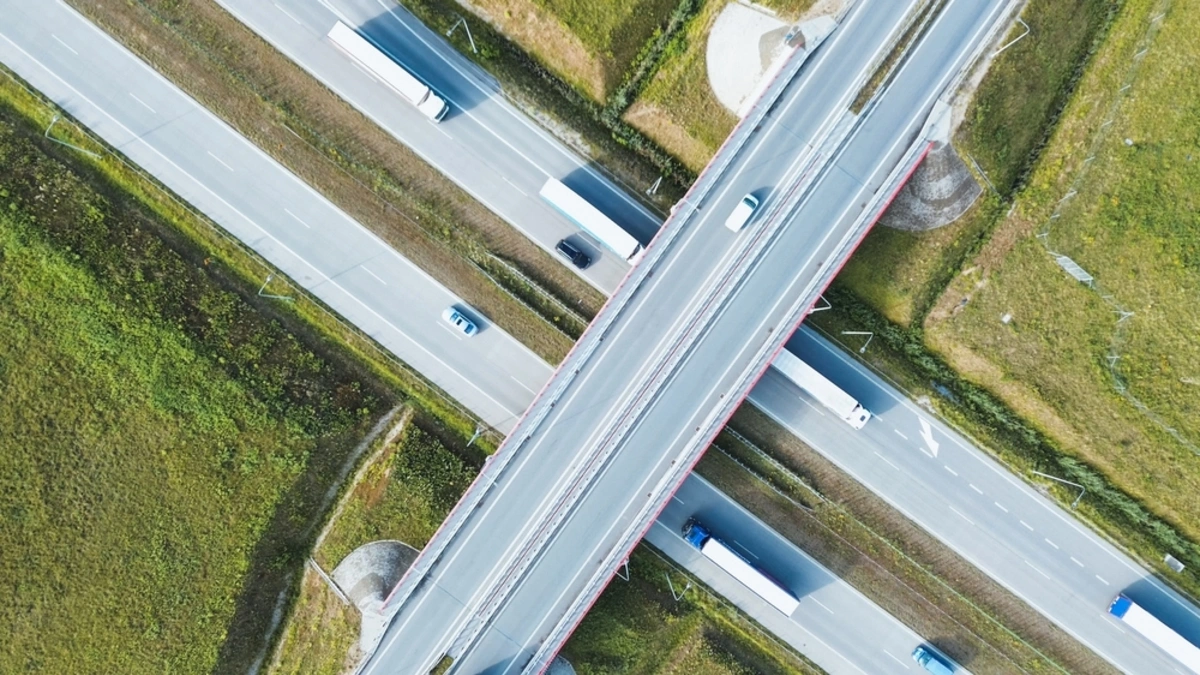
Aerial shot of a bustling highway with freight trucks transporting goods.

When fuel prices rise, the first cost most businesses notice is the fuel bill. For companies moving goods around South Africa, however, that is only the beginning.

Transport sits underneath almost every part of the supply chain. Raw materials have to reach factories, finished products have to reach warehouses, goods have to move between distribution centres and retailers need stock delivered to their stores.

That means an increase in fuel costs can work its way through several stages before a product reaches the customer.

The Competition Commission’s latest Cost of Living Report highlights just how significant that pressure has become. Petrol prices increased by 26% between January and July 2026, with higher fuel and transport costs adding to production, logistics and distribution costs across the economy.

So where does that extra cost actually go?

It Starts With the Truck

For a transport operator, higher fuel prices are an immediate operating cost.

A truck still has to travel the same distance, carry the same load and use roughly the same amount of fuel. If diesel becomes more expensive, the cost of making that journey increases.

Fuel is not the only cost involved. Trucks also require maintenance, tyres, insurance, drivers and financing. But fuel is one of the costs most directly affected by changes in international oil markets and local fuel pricing.

Transport companies therefore have to decide how much of an increase they can absorb and how much needs to be reflected in their rates.

That is where the cost starts moving through the wider supply chain.

The Raw Material has to Get There Too

Consider a manufacturer producing a food product.

Before anything reaches the factory, ingredients, packaging and other materials may have travelled considerable distances. Those goods could have been transported from farms, processors, ports, importers or other manufacturers.

Higher transport costs can therefore appear before production has even started.

The manufacturer then has its own transport requirements. Finished goods need to leave the factory and move to a warehouse, distribution centre or directly to a customer.

The same fuel increase can consequently affect a product more than once as it moves through the network.

That is one reason why transport costs cannot be viewed in isolation.

Warehouses Don’t Make the Problem Disappear

It is easy to think of a warehouse as the point where transport temporarily stops.

In reality, goods may enter and leave a warehouse several times before reaching their final destination.

A product could arrive from a manufacturer, be stored, moved to another distribution centre and then delivered to a retailer. Each movement involves transport.

Warehousing itself also has costs, including electricity, labour, equipment and property. But transport remains part of the equation whenever goods need to be moved in or out.

For businesses operating large distribution networks, even relatively small increases in the cost of each journey can add up quickly.

Then the Product Reaches the Retailer

By the time a product arrives at a shop, its journey may already have involved several transport legs.

That does not mean the retailer simply adds every additional transport cost to the shelf price.

Businesses have different margins and different levels of bargaining power. Some may absorb part of the increase. Others may negotiate new prices with suppliers or transport providers. Some costs may be spread across a large number of products.

The important point is that there is no single point where a fuel-price increase becomes a retail-price increase.

It moves through a network of commercial decisions.

That is why two products can be affected differently by the same increase in fuel costs.

Distance Matters

The impact is also not the same for every business.

A manufacturer located close to its customers may have a very different transport profile from one that relies on long-distance road freight.

A retailer supplied from a nearby distribution centre faces different costs from one receiving stock from hundreds of kilometres away.

The same applies to imported goods. Products arriving through a South African port may still need to travel significant distances by road or rail before reaching a warehouse or customer.

The further a product has to travel, and the more times it has to be moved, the more opportunities there are for transport costs to influence the overall cost of getting it to market.

Not Every Increase Reaches the Customer Immediately

There is another reason the relationship between fuel and prices is more complicated than it first appears.

Businesses do not necessarily change their prices every time fuel moves.

A transport contract may have a fixed period. A manufacturer may have already purchased its inputs. A retailer may have stock sitting in a warehouse that was transported under an earlier cost structure.

This creates a delay between a change in transport costs and its eventual effect elsewhere in the supply chain.

It can also work in reverse.

When fuel costs fall, businesses may not immediately reduce prices because other costs have changed, contracts have not yet been renegotiated or existing stock was purchased when transport was more expensive.

The Competition Commission has raised concerns about this pattern in several essential markets, noting that some prices can rise quickly when costs increase but fall more slowly when those costs decline.

The Cost Doesn’t Always Stop With Transport

This is where the bigger supply-chain picture becomes important.

A transport cost increase can affect more than the price of moving a product.

If logistics becomes more expensive, businesses may reconsider how frequently they replenish stock, how much inventory they hold, which suppliers they use or where warehouses are located.

A manufacturer might look for a supplier closer to its factory. A retailer might review delivery routes. A logistics operator might try to improve vehicle utilisation to make each trip more productive.

In other words, rising transport costs can change decisions throughout the supply chain, not simply the price charged for a truck journey.

Can Businesses Reduce The Impact?

They cannot control the international oil price, but they can control how efficiently they use transport.

Better route planning can reduce unnecessary kilometres. Higher vehicle utilisation can spread the cost of a journey across more goods. Better load planning can reduce the number of trips required.

The same applies to the wider network.

If a business can source some products closer to its customers, reduce empty return journeys or position stock more strategically, it may be able to reduce the amount of transport required in the first place.

These decisions become more important when fuel prices are high.

The Question Isn’t Just What Transport Costs

South Africa’s latest fuel-price shock is a useful reminder that transport is woven into almost every part of the economy.

The question for businesses is therefore not simply “How much more will our trucks cost?”

It is “How much more will it cost to move everything our business needs, and how many times will those goods have to move before they reach the customer?”

That is a much bigger calculation.

For supply-chain managers, the answer may involve changing routes, suppliers, warehouse locations, delivery schedules or inventory strategies.

For consumers, the eventual impact may simply appear as a higher price on the shelf.

Between those two points is an entire supply chain — and that is where the extra cost goes.

Continue Reading

Logistics

Why Warehouses Are Moving Closer to Customers

Published

on

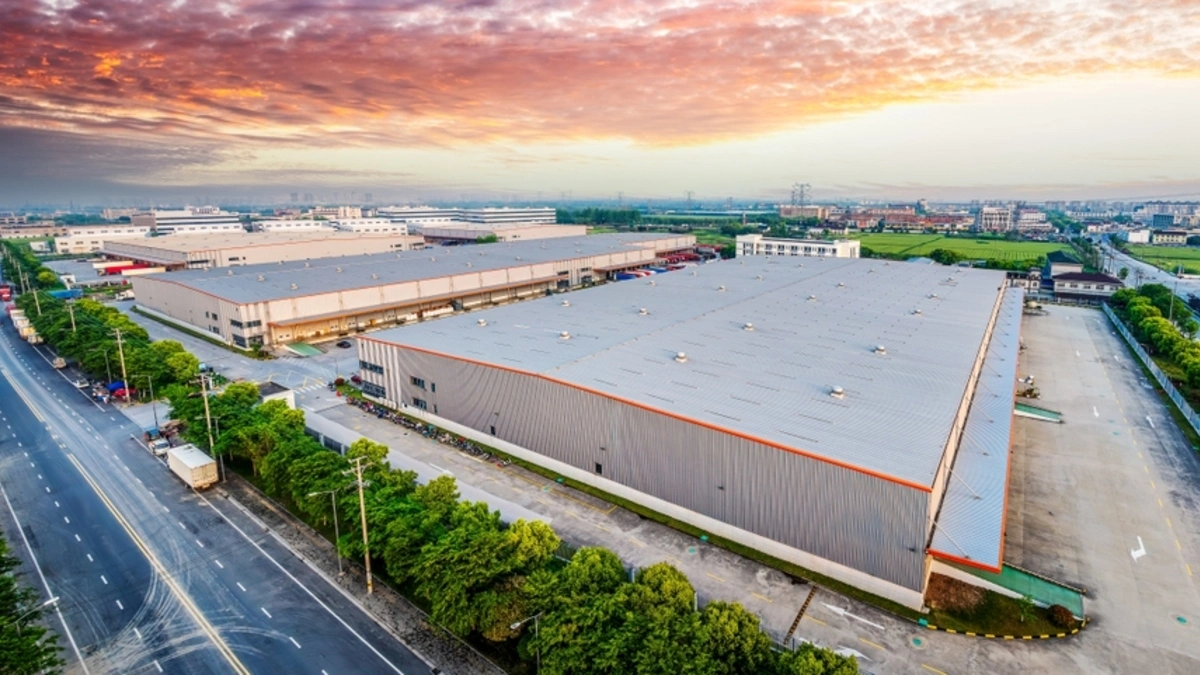
Landscape shot of warehouses in the city

Not long ago, most deliveries followed a fairly predictable route. Products arrived at a large distribution centre, were stored until needed and then transported to stores or customers across the country.

That model still plays an important role, but changing customer expectations are reshaping the way many businesses think about warehousing.

Today, shoppers expect groceries in under an hour, online orders within a day or two and accurate delivery updates every step of the way. Meeting those expectations isn’t always about driving faster. Increasingly, it’s about storing products closer to where customers already are.

Bigger Isn’t Always Better

For years, businesses focused on building large distribution centres that could supply entire regions from a single location. Centralising inventory reduced operating costs and made stock easier to manage.

As online shopping has grown, however, a different challenge has emerged.

Sending every order from one large facility often means longer delivery distances, increased transport costs and less flexibility during busy periods.

That’s why many retailers are complementing their larger distribution centres with smaller fulfilment facilities positioned closer to urban areas.

Speed Starts Inside the Warehouse

Businesses such as Checkers have shown how customer expectations have changed. Services like Sixty60 have raised the bar for grocery deliveries, making rapid order fulfilment part of everyday retail rather than a premium offering.

Behind those deliveries is a network designed for speed. Products are stored closer to customers, picked quickly and dispatched within minutes of an order being placed.

Retailers such as Takealot and Amazon South Africa are also investing in fulfilment networks that shorten the distance between inventory and customers, helping reduce delivery times while improving service levels.

It’s Not About Replacing Large Warehouses

Smaller fulfilment centres aren’t replacing traditional distribution centres.

Instead, they’re becoming another layer within the supply chain.

Large facilities continue receiving bulk stock, managing inventory and supplying regional networks. Smaller urban facilities focus on processing customer orders quickly, allowing businesses to respond to growing demand for faster deliveries without placing unnecessary pressure on their main warehouses.

Each type of facility has a different role, but together they create a more flexible distribution network.

The Warehouse Is Getting Closer

As delivery expectations continue to evolve, businesses are rethinking where inventory should be stored rather than simply how quickly it can be transported.

For many organisations, that means bringing products closer to customers, reducing the distance between an online order and the front door. It’s a reminder that faster deliveries don’t always begin with the truck. More often, they begin with where the warehouse is located in the first place.

Continue Reading

Trending