A methane cloud was detected by satellite near coal mines in South Africa, drawing attention to a lesser-known environmental risk that comes from using the fossil fuel.
The potent greenhouse gas — methane traps roughly 84 times more heat than carbon dioxide in its first two decades in the atmosphere — was emitted at an estimated rate of 65 metric tons an hour on May 10, according to Kayrros SAS. The Paris-based analytics company found the leak by parsing European Space Agency satellite observations. It was the worst plume of methane Kayrros detected in the data over Africa this year.
The cloud was spotted about 125 km east of Johannesburg in an area where Sasol has several coal mines as well as chemical and fuel operations. Sasol said it didn’t record any elevated methane levels that day and that emissions from its mining operations “are highly diluted and dispersed over a wide geographical area.”
Anglo American said its opencast Isibonelo mine located nearby is “highly unlikely to emit the levels” as estimated by Kayrros.
While coal is falling out of favour as an energy source because of the large amount of carbon dioxide generated as it’s burned, mining the fossil fuel also causes methane emissions because companies sometimes release the gas trapped underground to lower the risk of explosions. Methane can continue leaking after mines have been closed or abandoned. The industry is expected to generate about 10% of methane emissions caused by humans by the end of the decade, according to the Global Methane Initiative.
The problem can be mitigated if miners capture the gas and use it for power generation, coal drying or as supplemental fuel for the boilers, according to the US Environmental Protection Agency. It makes sense for companies to take the extra steps because they help boost production and increase revenues. That’s especially true in South Africa, which still depends on coal to generate more than 80% of its electricity.
If the May 10 release lasted an hour at the rate estimated by Kayrros it would trap roughly the same amount of heat as about 260 000 cars driving at 60 miles an hour, according to the Environmental Defense Fund. The satellite data didn’t show the duration of the leak.
The estimated rate correlates with a 3% concentration of methane in the air, Sasol said. The company immediately shuts down operations when any of its sensors register a level of 1% due to the highly combustible environment. Sasol said its analyzers didn’t record readings greater than 0.05% on average that day. South Africa’s Department of Forestry, Fisheries and the Environment didn’t respond to queries about the event.
Kayrros also found two other plumes in the vicinity on May 27, which it estimated had emissions rates of more than 40 tons of methane per hour.
The findings are the latest in a series of leaks that have been spotted in countries including Canada and Bangladesh. Scientists are just beginning to pinpoint the biggest sources of methane and existing data isn’t yet globally comprehensive. Observations from space can be seasonal due to cloud cover, precipitation and varying light intensity. Satellites can also have difficulty tracking offshore emissions and releases in higher latitudes.
The Gauteng Department of Roads and Transport is expanding its road maintenance programme after completing repairs on several priority routes across the province.
The work forms part of efforts to improve road conditions, strengthen road safety and address infrastructure concerns raised by communities and road users.
According to a media statement published by the South African Government on 15 November, maintenance has been completed on Mogogelo Road, Graham Road, Makapan Road, the R548, R28, R553, D1132, R103, K46, Cedar Road and Winnie Mandela Drive.
The department says these routes were prioritised because of significant deterioration and concerns raised by road users. Attention will now shift to other sections of the provincial road network, with priority given to roads in the poorest condition.
Expanding Road Maintenance Capacity
Alongside the completed repairs, the department has finalised the first phase of its procurement process to appoint a panel of contractors for a three-year period.
The finalisation of quotation processes is underway, with implementation expected to begin in early December 2026.
The arrangement is intended to strengthen the department’s capacity to respond to road maintenance requirements and improve the speed at which repair work can be carried out.
For businesses operating across Gauteng, road conditions have a direct bearing on daily transport activities. The province is a major distribution and commercial centre, making reliable road infrastructure important for deliveries, commuting and the movement of goods between industrial areas, warehouses and customers.
While the department has not provided figures on the impact of the completed repairs, maintaining priority routes and improving response times will remain important to keeping the provincial transport network operational.
Protecting Transport Infrastructure
The department is also strengthening monitoring at selected intersections through improved CCTV coverage.
The intervention is intended to help identify and record incidents of vandalism and theft affecting traffic signals and other public infrastructure.
Traffic signals play an important role in keeping vehicles moving safely, particularly along busy urban routes. Damage or theft can create additional safety risks and disrupt traffic flow, affecting both commuters and businesses relying on road transport.
The department has also identified illegal dumping, overgrown vegetation, settlement encroachment and vandalism as ongoing challenges affecting road reserves and the condition of the provincial network.
It is working with municipalities, law enforcement agencies and other government departments to develop coordinated responses to these issues.
Maintaining Gauteng’s Road Network
The road maintenance programme highlights the ongoing work required to keep South Africa’s busiest commercial province moving.
While completing repairs on deteriorated roads is an important step, maintaining infrastructure over the longer term will require consistent investment, effective contractor management and protection against vandalism and neglect.
For Gauteng’s transport and logistics sector, the condition of the provincial road network remains an important part of the wider supply chain. Reliable roads support the movement of goods, connect businesses with customers and help keep distribution operations running.
I have always loved cooking, and spices were the part of the kitchen I was most curious about. When I decided to start my own export business, cumin was an easy choice. It sells in high volumes, people use it every day so demand does not go away, and it is grown close to where I am in India. Today I run Gadin Exports and work as a cumin exporter in India, sourcing from the Unjha market in Gujarat.
I have shipped cumin to Ghana and I am now working to build more buyer relationships across Africa. Africa is a big opportunity for Indian spices, and most of the cumin used across the continent comes either directly from India or through traders in the UAE. Here is what I have learned so far about getting a cumin shipment right, from the time it leaves the warehouse in India to the time it reaches the buyer.
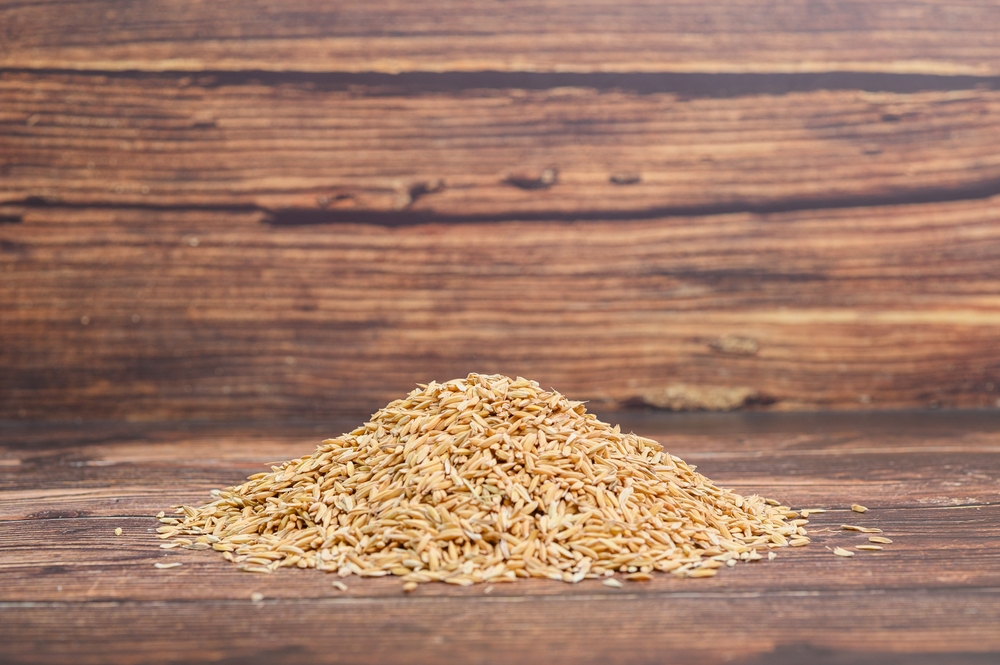
Most African buyers I speak to ask for Singapore 99 grade cumin seeds (I have explained the main cumin seed grades in more detail separately), machine cleaned, with moisture below 10%. Singapore 99 means the seeds are 99% pure, with up to 1% impurity. This is a practical grade for the African market because it balances quality and price well.
Higher grades like Europe 99.5 or sortex cleaned are available, but they cost more, and in my experience most African importers do not ask for them unless they are supplying a premium customer.
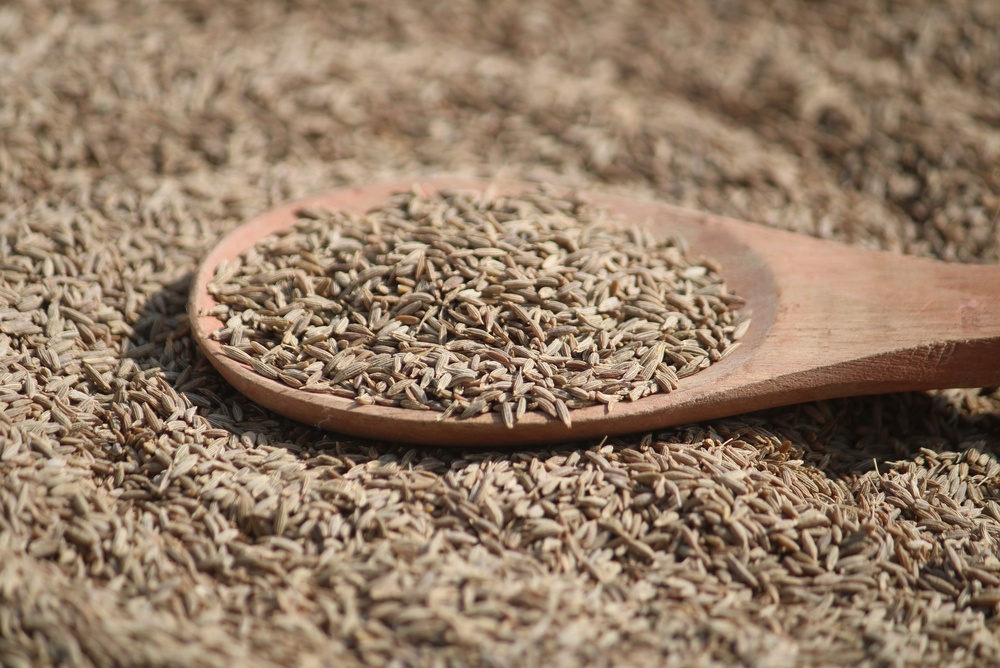
The other thing buyers ask about early is packaging. We offer 25 kg and 30 kg PP bags, and most customers prefer 25 kg. The bags are easier to handle at the port and in the warehouse, and they suit the way distributors break up the stock for smaller buyers.
I go to Unjha myself. When I visit my supplier, I check the latest lot and the lab test report before I agree to anything. I do not want to rely only on what someone tells me over the phone. If the lot does not look right or the report is not clear, I do not take it.
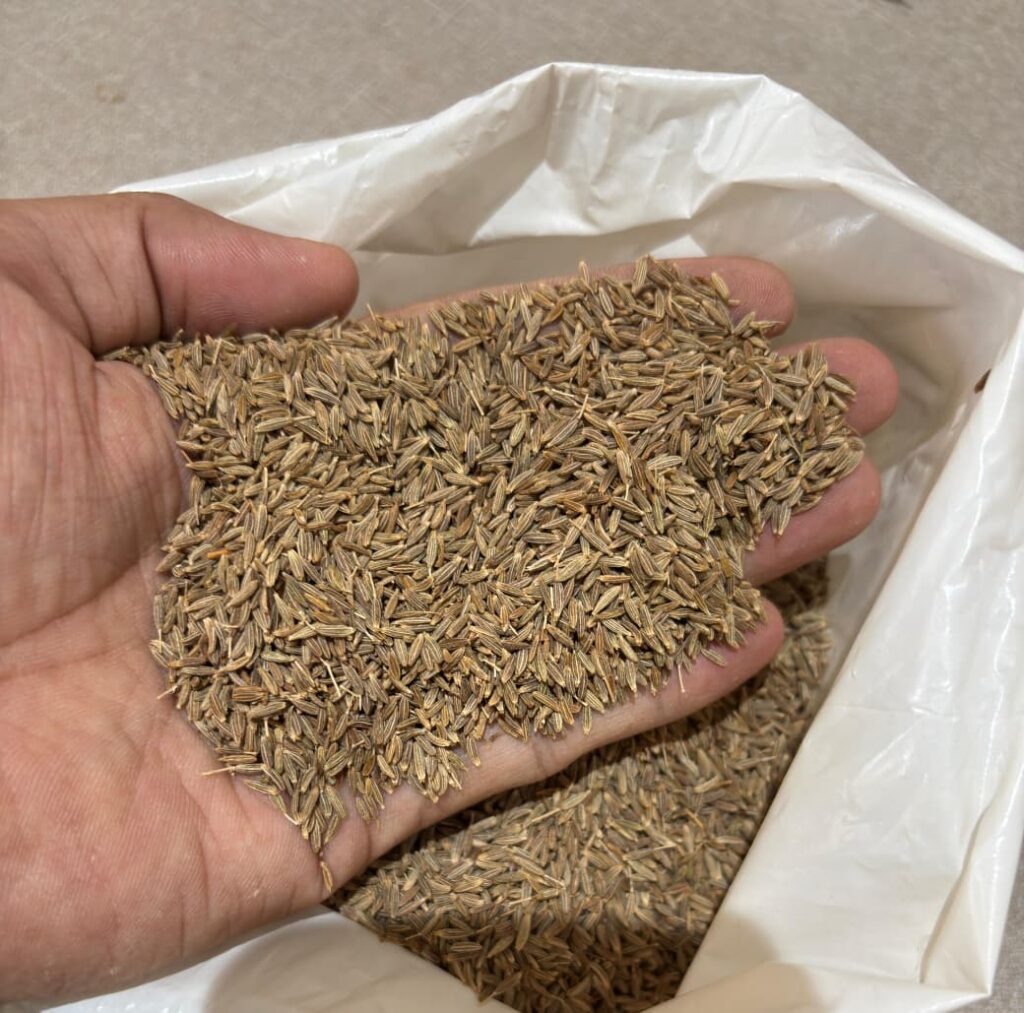
Moisture is something I am strict about. We always keep it below 10%, and it is checked by a lab, not by guesswork. High moisture is one of the main reasons spices get damaged on the way, so this check matters more than people think.
We ship to Africa from Mundra port in Gujarat. Depending on the destination country, transit time is usually between 14 and 21 days.
We are open to both FOB and CIF, and it depends on what the buyer wants. Some buyers have their own freight forwarder and prefer FOB. Others want us to handle shipping and prefer CIF. Both work as long as it is agreed clearly in the contract.
Our shipping company and CHA (customs house agent) take care of the container condition and loading, so that the cargo reaches without dampness or mould. Fumigation is done by an approved agency 24 hours before the container is loaded.
My one shipment to Ghana went smoothly, with no surprises on freight or delays. I know that will not always be the case, which is why the paperwork and the checks before loading are so important.
Every document should match. The same buyer name, the same product description and the same quantities across all of them. A small mismatch can hold a container at the destination port, and the cost of that delay always ends up with someone.
African buyers almost always ask for lab reports before they commit, and I think that is the right approach.
Our payment terms are very clear. We work only on Letter of Credit (LC), and we tell buyers this at the start of the conversation.
The reason is simple. Both sides are dealing with someone they have never met in person, in another country. An LC protects the buyer, because the bank releases payment only when the shipping documents are in order. It also protects me, because the payment is guaranteed by the bank once I meet the LC conditions. It removes a lot of the trust problem from a first deal.
Like every region, Africa has some fake enquiries. A common one I have seen is a “buyer” who asks for an advance payment to cover company registration in their home country before they can place an order. A genuine importer will never ask the supplier to pay for their registration.
Most of these are easy to spot once you have some experience, but new traders on both sides should be careful. There are pros and cons with every market. You just have to learn how to work with them.
The best time to buy Indian cumin is March to July. The new crop arrives at Unjha around February to April, so fresh stock is available and prices are usually lower.

Prices can move a lot. This year, cumin moved from around Rs 190 to Rs 270 per kg. For an importer, buying at the right time can make a real difference to margins.
My Advice for First-Time African Importers
If you are buying Indian cumin for the first time, here are three things I would always do:
Ask for lab reports. Do not accept a lot without a recent test report.
Ask for samples before you place an order. Check the grade, colour and smell yourself.
Check the exporter’s history. Use export-import data sites to see whether the exporter has actually shipped before, and to whom.
And one thing to avoid: never pay anyone an advance for things like registration fees or “release charges” before a proper contract and payment structure are in place.
Getting a cumin shipment right is not complicated, but it does need care at every step: the right grade, a proper lab report, clean documents, safe payment terms and good timing. If both sides get these basics right, the container will reach the warehouse in good condition and the relationship can grow from there.

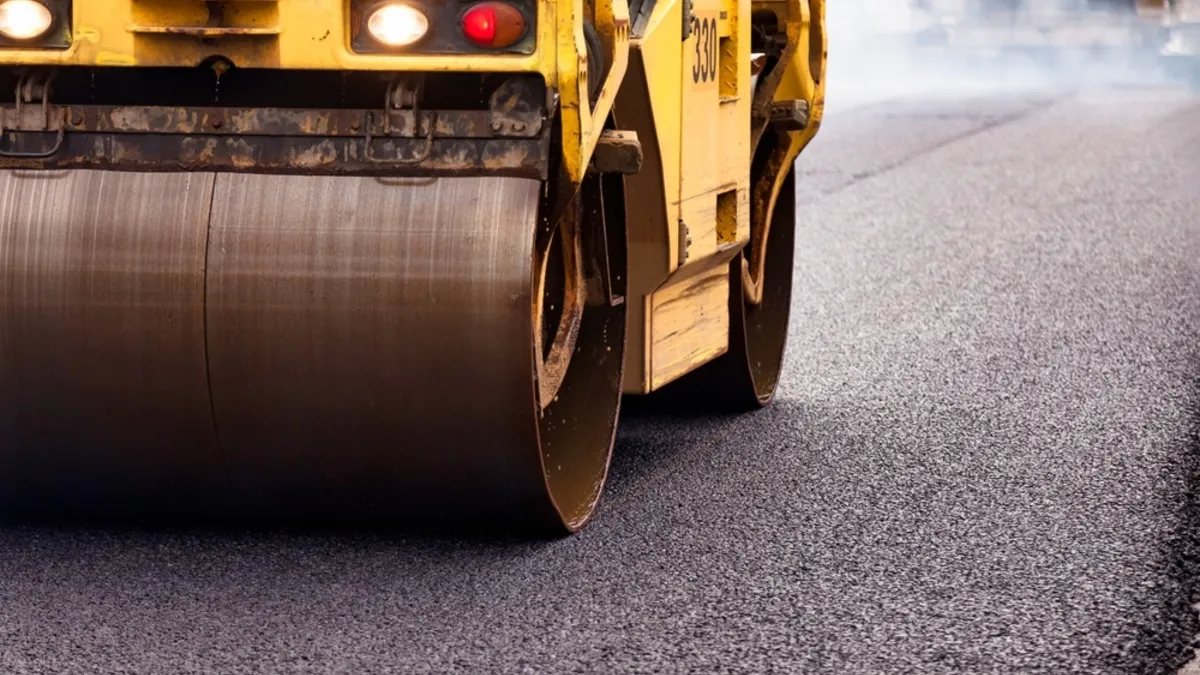
Transnet National Ports Authority (TNPA) has commenced a R375 million road rehabilitation programme at the Port of Richards Bay, targeting key routes used by heavy vehicles to access major terminals and operational facilities.
The project, which began in October 2026, forms part of TNPA’s infrastructure renewal programme and aims to improve cargo movement, operational efficiency and the long-term reliability of the port’s road network.
According to a media statement issued by TNPA on 2 November, the programme will focus on Urania Road, Newark Road and Ventura Road. Increased heavy vehicle traffic has accelerated wear and tear on these routes, making upgrades necessary to support continued port operations.
Upgrading Key Routes at Richards Bay Port
The rehabilitation work will include pavement strengthening, road widening, concrete surfacing, drainage and stormwater improvements, as well as road safety enhancements.
These upgrades are expected to improve road capacity and condition, helping to create smoother traffic flows and faster truck turnaround times once completed.
Road infrastructure plays an important role in port efficiency, particularly at facilities handling significant volumes of bulk cargo. Poor road conditions and limited capacity can affect the movement of trucks between port entrances, terminals and operational areas.
For Richards Bay, maintaining reliable access routes is important to supporting cargo operations and accommodating future demand. The planned improvements are intended to strengthen the infrastructure that connects road transport with the port’s wider logistics operations.
Supporting Port Operations and Local Employment
Richards Bay acting Port Manager Winnie Mpanza said the investment demonstrates TNPA’s commitment to maintaining port infrastructure that supports economic trade.
She added that the rehabilitation work would improve safety and help ensure the port continues to meet the needs of port users while supporting future growth and investment.
The 18-month project is also expected to create approximately 72 employment opportunities during construction, contributing to skills development and local economic participation in surrounding communities.
Investing in South Africa’s Port Infrastructure
The Richards Bay road rehabilitation programme forms part of Transnet’s broader Reinvent for Growth (R4G) strategy, which prioritises infrastructure recovery and improved performance across the logistics value chain.
While the project focuses on three roads within the port, its wider significance lies in the role that reliable internal transport infrastructure plays in cargo handling and port operations.
As South Africa works to strengthen its logistics network, investments in port access, terminal infrastructure and supporting road networks will remain important to improving the movement of goods.