
Freight Forwarding
Road vs. Railway Freight Transportation


In the intricate dance of modern economies, the efficient movement of goods is the star performer. And in this show, both road and railway freight play their vital roles as among some of the most used methods of freight transportation in South Africa. While road freight shines for its adaptability and door-to-door service, railway freight takes the spotlight for its cost efficiency and knack for hauling hefty volumes across substantial distances.
Table of Contents
In this article, we’ll be looking at:
- What road freight transportation is
- How road freight transportation works
- The top 4 benefits of road freight transportation
- What railway freight transportation is
- How railway freight transportation works
- The top 4 advantages of road freight transportation
- How they can work together
Let’s get this show on the road.
What is Road Freight Transportation?

Ever wondered about the magic behind getting your online orders or everyday essentials right to your doorstep? Well, a big part of that magic is road freight transportation. It’s basically the way stuff gets moved around using trucks and other vehicles on roads – those big highways and streets that crisscross our cities and countries.
How does Road Freight Transportation Work?
With road freight transportation, things like clothes, gadgets, furniture – you name it – get packed up and loaded onto these trucks. Then these trusty trucks hit the road and start cruising along highways, making their way to where they need to be. It’s like a journey for your stuff, from where it starts to where it needs to end up.
The Top 4 Benefits of Road Freight Transportation
There are many advantages to the usage of road freight transportation, but the list of four points below highlights the most important.
1. Super Flexible:
Road freight is like the ultimate explorer. Trucks can go through forests, mountains, and even squeeze through those narrow city streets. No place is off-limits!
2. Speedy Gonzales:
When things need to get somewhere in a hurry, road transportation is the way to go. It’s perfect for when you’re ordering that last-minute gift or something you really, really need ASAP.
3. Bringing It Home:
Ever ordered something online and had it show up at your doorstep? That’s the magic of road freight – those trucks can literally bring things right to your house.
4. Easy to Reach:
If there’s a road, there’s a way. Road freight can reach pretty much anywhere with a road, which is pretty much everywhere.
What is Railway Freight Transportation?

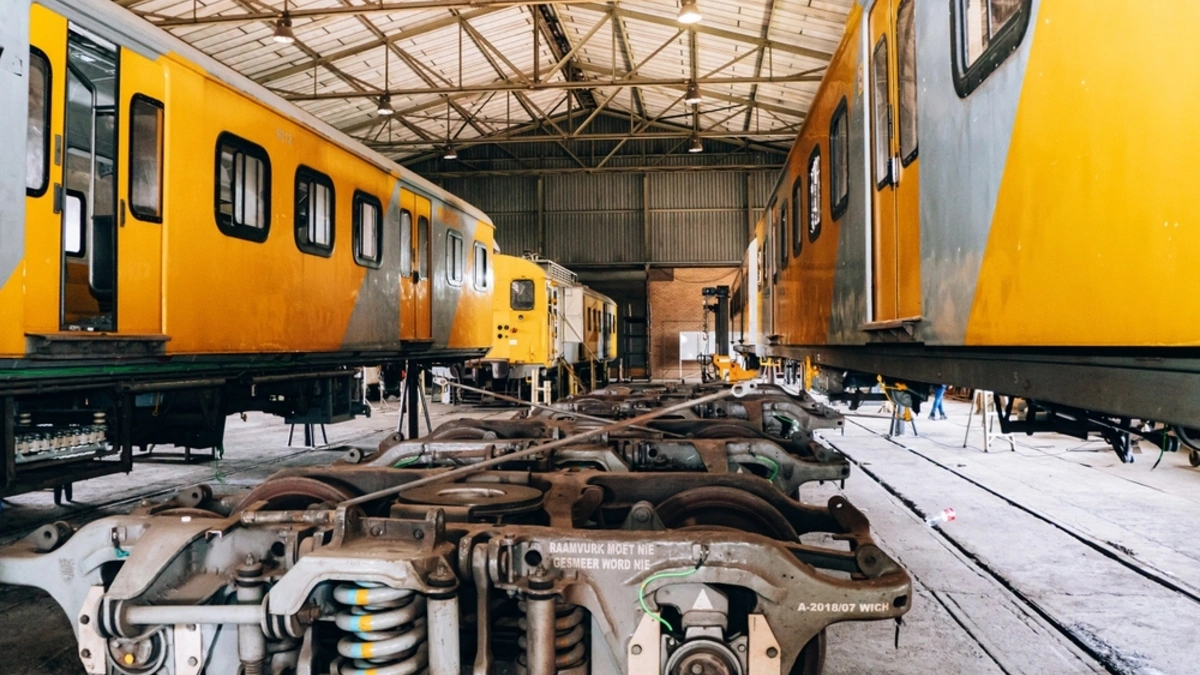
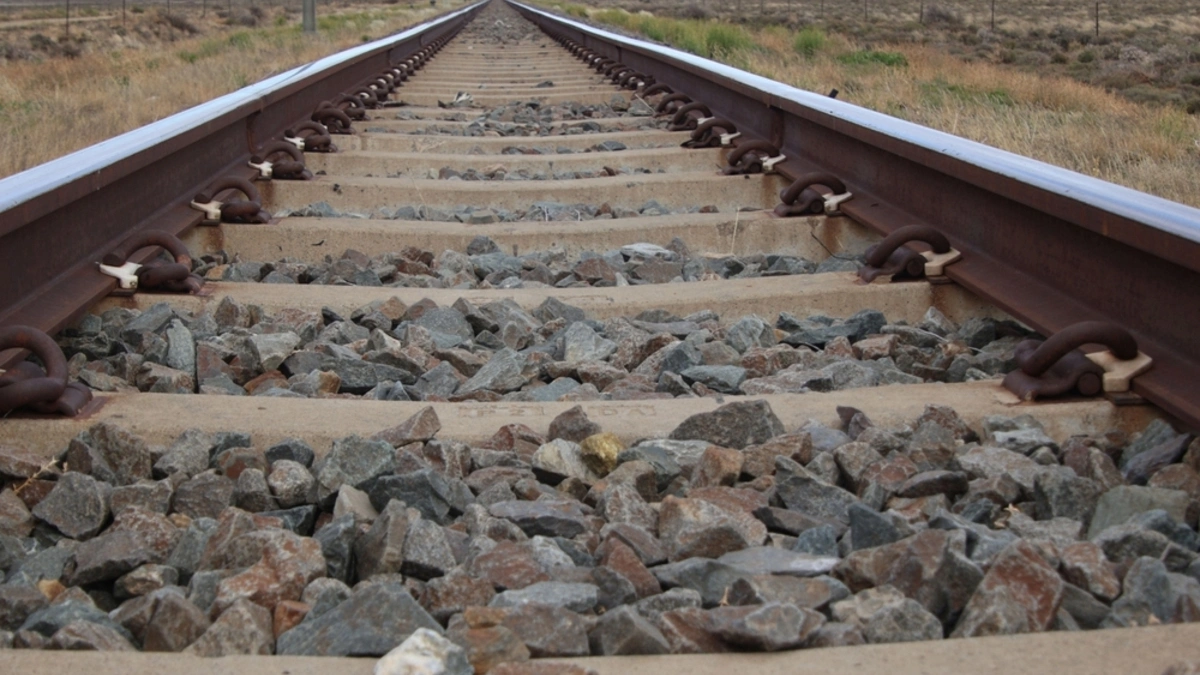
Have you ever thought about those massive trains you see rolling along tracks, carrying all sorts of stuff? That’s the world of railway freight transportation – a kind of magic that moves goods using trains on specially built railroads.
How does Railway Freight Transportation Work?
So, imagine this: Goods are packed up and loaded onto train cars, like huge cargo containers. Then these trains, pulled by powerful engines, move along dedicated tracks to deliver the goods. It’s like a big, organised road trip for your things, just on rails.
The Top 4 Advantages of Railway Freight Transportation
We know how it works, but why would someone invest any money or time into railway freight transportation? The list of four benefits below may entice them to do just that.
1. Wallet-Friendly:
When it comes to moving a ton of stuff, trains are like the thriftiest option in town. They can haul a whole bunch of cargo in one go, which keeps costs down.
2. Eco-Savvy:
Trains are like the green machines of transportation. They use less energy per ton they move compared to other options, which is good news for both the planet and the people living on it.
3. No Traffic Jams:
Unlike highways that can turn into parking lots, railroads usually have smoother sailing. That means fewer delays and more predictability, especially for longer journeys.
4. Marathon Runners:
If you need to move things across vast stretches, trains are the superheroes. They’ve got the ability to cover large distances without breaking a sweat.
How They Work Together
We’re all aware that a one-size-fits-all solution doesn’t always hit the mark. Rather than locking road and railway freight in a rivalry, smart logistics players are learning to choreograph their unique strengths and weaknesses for a harmonious performance.
Intermodal Symphony:
The melody of intermodal transportation involves orchestrating both modes in harmony. Trucks handle the initial and final stretches, while trains sweep in for the long-haul leg. This symphony optimizes costs, speed, and capacity.
Tuning the Supply Chain:
Fine-tuning the logistics orchestra involves understanding the nature of goods, distances, and delivery timelines. This strategic allocation between road and rail ensures the best performance for each shipment.
Infrastructure Encore:
Governments and private stakeholders investing in railway infrastructure are setting the stage for improved connectivity. With a better-connected rail network, rail freight becomes a more viable option.
Frequently Asked Questions
These questions are most frequently asked questions whenever we compare road and rail freight transportation to one another.
1. Which method is faster, road or railway freight transportation?
If you’d like something delivered to you fast, road freight is definitely the way to go. Railway transport is great for longer distances but may have longer lead times for scheduling.
2. Which method is more cost-effective for transporting large volumes of goods?
Railway transport takes this one. They’re more cost-efficient as they can distribute larger loads over longer distances over one trip. Reducing the number of trips and vehicles would reduce the overall cost of shipment.
3. Are there any advantages to using road freight transportation for smaller shipments?
Road freight is ideal for smaller shipments due to its flexibility and ability to provide door-to-door service, making it suitable for e-commerce and everyday deliveries.
4. How do logistics companies decide whether to use road or railway transportation for a specific shipment?
They take into account a variety of factors, such as distance, volume, time constraints, and environmental considerations. Logistics companies tend to use both of them but for different situations as they both have their benefits.
Final Note
In the ongoing saga of road versus railway freight transportation, there’s no definitive answer to the question of which is superior. The decision on which is better than the other is quite complicated, as it depends on a variety of things, including distance, volume, time constraints, and environmental considerations.
By choosing to embrace the unique strengths and limit the challenges of railway and road freight transportation, weaving innovative strategies that blend their abilities, the logistics world can produce a more efficient and sustainable freight transportation system, serving the needs of businesses and consumers with finesse.
Freight Forwarding
A Terminal in Healing: SAFLA and the RFA Acknowledge the Movement Towards DGT Efficiency

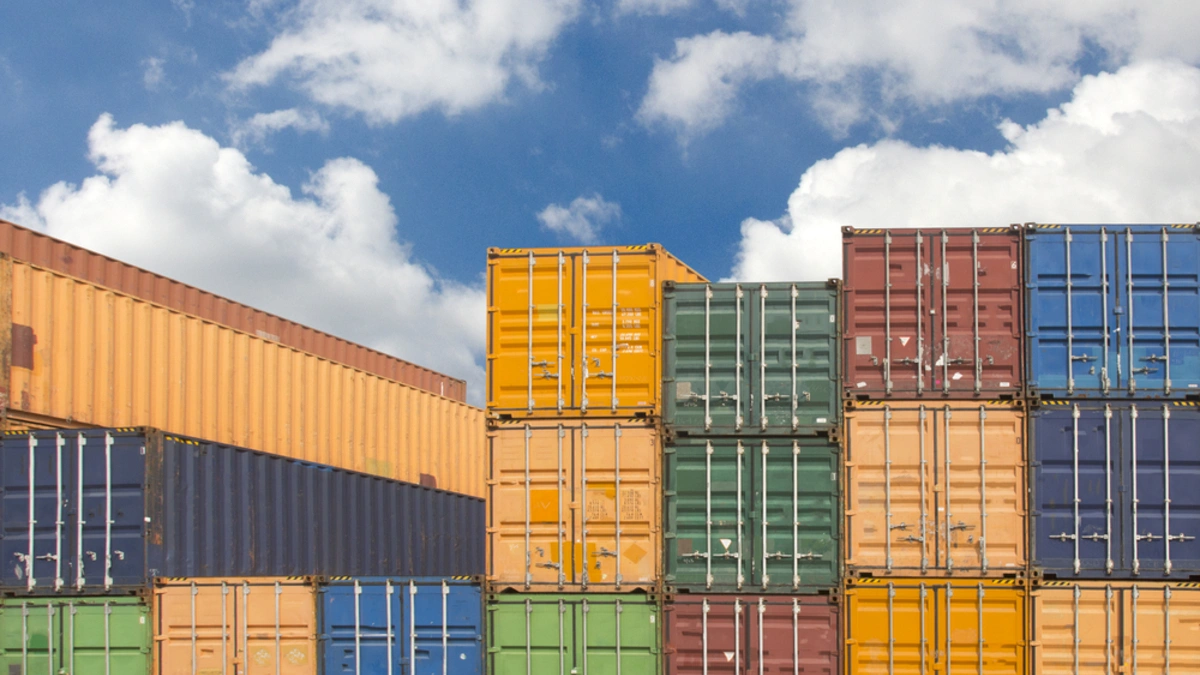
The South African Freight and Logistics Association (SAFLA) and the Road Freight Association (RFA) were present during the recent interaction between Durban Gateway Terminal (DGT) and relevant stakeholders and organisations that have operations or members processing cargo through the terminal.
Representatives of DGT and International Container Terminal Services Inc (ICTSI) were candid and open regarding challenges experienced – as well as what had been achieved in the period that Transnet had signed the agreement with ICSTI.
Whilst there are challenges, the terminal was functioning well – given the challenges experienced, and both DGT and ICTSI listened to comments from all present and noted that two processes were in place to address the operations at DGT.
One was short term: this included the waiving of all terminal storage charges whilst the current set of challenges were experienced, and secondly, there was an accelerated programme to keep the various pieces of machinery operating at the best levels of safety and functionality, as was possible. Gensets had been brought in to deal with power disruptions.
In addition, DGT acknowledged the problems with the slot booking system and already had developed a solution to vastly improve the process – this was to be shared with all shareholders in due course for comment and implementation.
DGT also brought Transnet into the meeting to address certain aspects that had placed pressure on operational efficiencies.
Long-term plans: the Terminal requires significant refurbishment and upgrading / modernising to compete with the options of other ports on the Southern African continent. Much of the equipment needed has been ordered – but there are lengthy lead times in the delivery of the equipment.
“There are immediate short-term options – such as reducing the pressure on the terminal whilst upgrades and interventions are applied. Perhaps Transnet can lower container movement tariffs (from other ports) for a period, whilst DGT is brought to the level of efficiency required. As we have noted – transporters are carrying the costs of inefficiencies,” said Gavin Kelly, Chief Executive Officer of the RFA. “Fleets are standing without bookings while fixed costs run, drivers are queuing on Bayhead Road, and every standing hour ends up in the price of goods. Slot releases must match real capacity, and truck staging must be fast-tracked now. Without trucks, South Africa stops.”
“SAFLA is delighted at the waiving of storage charges whilst the current set of challenges are being experienced,” said Dave Logan of SAFLA. “This will meaningfully ease the burden on freight forwarders and their clients, and we welcome this gesture of good faith from DGT and ICTSI.”
SAFLA and the RFA stand ready to contribute member evidence and practitioner expertise to a joint recovery task team alongside DGT, Transnet, government and other industry bodies.
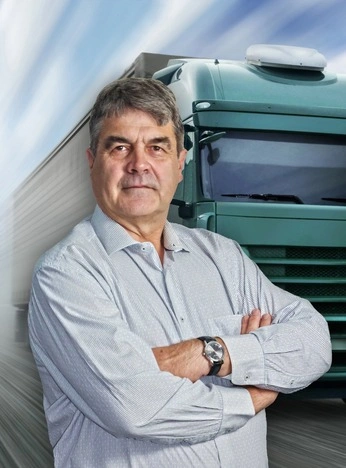
Gavin Kelly, CEO of the Road Freight Association

Dave Logan – Executive Officer of SAFLA

Runway to Railway Puts Innovation and African Identity at the Heart of Infrastructure

AGOA is Back – But Can Africa Manufacture Its Way Into the Opportunity?

Bakers SA Limited Invests in Next-Generation Electric Fleet with 67 New Serco Bodies


-

 Management4 months ago
SEO, AEO, GEO and SEO for AI: What Is the Difference for the Supply Chain Industry?
-

 Transport4 months ago
LDV T60 Max vs GWM P500 vs Isuzu D-Max vs Toyota Hilux vs Ford Ranger: Which Double-Cab Bakkie Offers the Best Value?
-

 Logistics5 months ago
DHL Group to invest around € 160 million in 2026-2027 to strengthen logistics infrastructure and support clean energy transition in France
-

 Logistics4 months ago
Top 5 Warehousing and Logistics Companies in the Western Cape by Google Review Rating
-

 Logistics5 months ago
DHL Expands Asia Pacific Data Center Logistics Capabilities to Support Growing Regional Demand
-

 Logistics5 months ago
Top 10 Warehousing and Logistics Companies in Gauteng by Google Review Rating
-

 Freight Forwarding5 months ago
The Hidden Cost of Shipping from China to South Africa — What Every SA Importer Needs to Know in 2026
-

 Logistics4 months ago
Top 4 Lift Truck Companies in Gauteng