Connect with us

Logistics

Skills in Motion: Building Africa’s Next Generation of Operators

Published

on

Admin

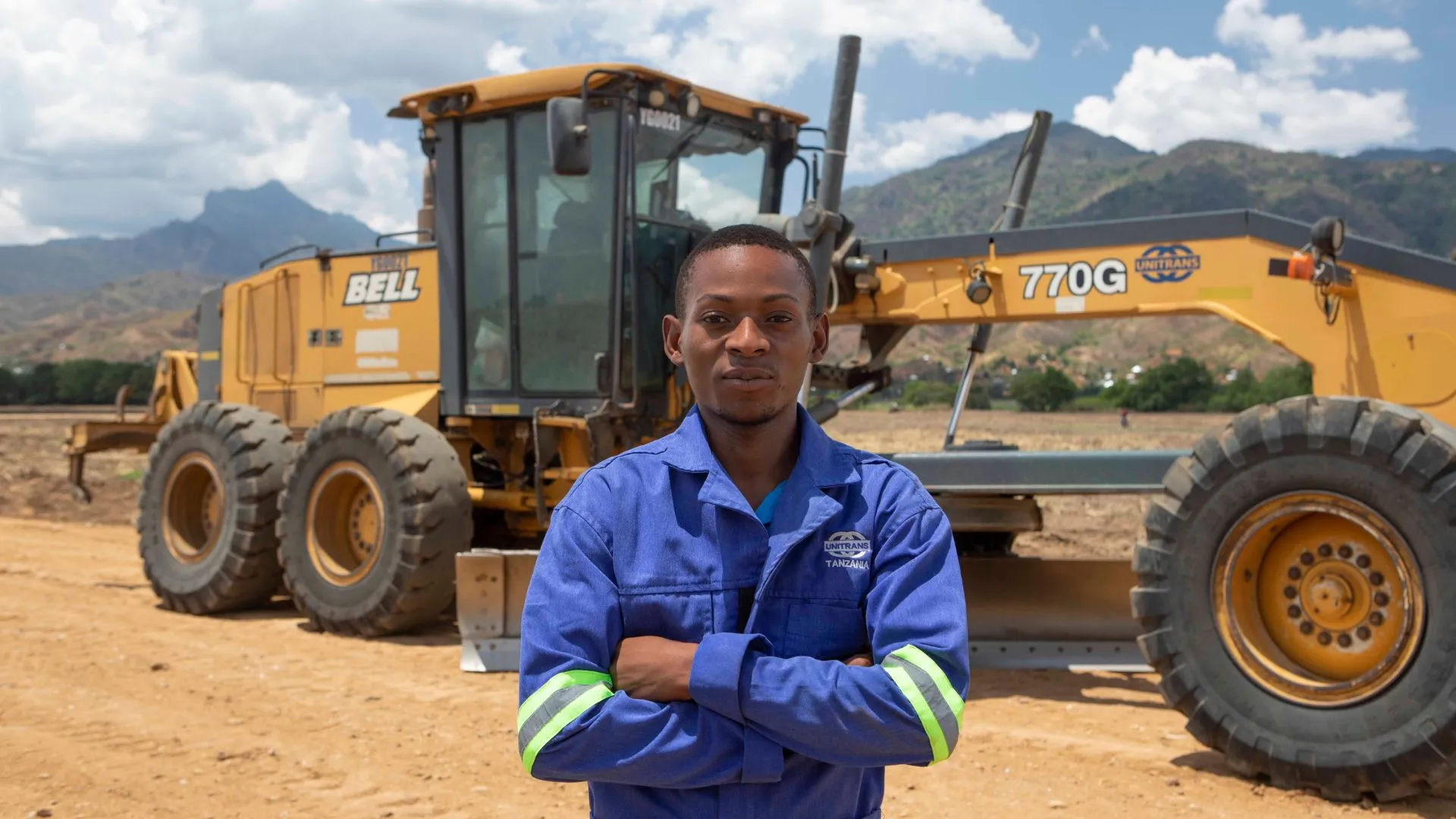
As South Africa marks Youth Month, the conversation around young people’s futures must move beyond opportunities alone to the systems, skills, and support needed to help them build sustainable careers. In sectors such as logistics and supply chain, this means creating clearer pathways between potential and participation, ensuring that young people are equipped not only to enter the world of work but to grow within it.

For Unitrans, this responsibility is closely linked to its role as a business built on both infrastructure and people. By investing in training, mentorship and practical career development, the company is helping to build a pipeline of future-ready operators who can contribute meaningfully to industry, communities and the broader economy.
According to Liesel Dentlinger, Human Capital Executive at Unitrans, this is where the sector has an important opportunity. “As an industry, we have a responsibility to open doors, remove barriers to entry and demonstrate that logistics offers exciting opportunities across operations, engineering, technology, supply chain management and leadership.”

For many young people, logistics may not be an obvious career choice. Yet it is one of the sectors that supports trade, production, mobility and growth across the continent. It is also a sector where skills are built through doing, not just through theory.

Apart from providing ISO 9000- and NOSA-certified driver and operator training programmes, Unitrans upskills its people through onboarding, technical and leadership training, learnerships, apprenticeships, mentorship, and workplace experience. The focus is on helping employees to apply learning, build confidence over time, and take on greater responsibility as their capabilities grow.

Dentlinger adds, “One of the strengths of Unitrans is our ability to develop talent from within. Across the business, we have many examples of individuals who started in operational or entry-level roles and progressed into supervisory, management and specialist positions. We have employees who began their careers as drivers, administrators, learners or apprentices and have gone on to lead teams, manage operations and contribute strategically to the organisation. These success stories reinforce our belief that talent can be developed when people are given opportunities and support.

The sector’s required skills are evolving. Technical competence is crucial, now complemented by adaptability, problem-solving and digital literacy. Drivers, operators, and technicians work more with digital tools and data-informed processes. Future leaders must interpret information, manage teams and make decisions in complex environments. However, technology is not replacing operational knowledge. It is changing how that knowledge is applied. “At Unitrans, we see traditional operational experience and digital capability as complementary,” says Dentlinger. “Experience gives people judgement and context. Technology gives them better visibility, sharper insights and more effective ways to manage risk and improve performance.

Mentorship plays a practical role in connecting these worlds. Experienced employees carry knowledge that cannot always be captured in a manual or training session. When that experience is shared with younger team members, it helps build confidence, judgement and a stronger understanding of what good operational performance looks like. “We focus on ensuring that learning translates into performance by providing ongoing coaching, feedback and opportunities to enable employees to progressively take on greater responsibility,” shares Dentlinger.

Of course,” she adds, “Developing future-ready capability cannot be achieved by any organisation in isolation. Partnerships are essential. Collaboration with customers helps us understand evolving industry requirements and align our skills development efforts accordingly. Partnerships with educational institutions and training providers support access to relevant learning opportunities and the development of emerging talent. Engagement with communities creates pathways for young people to enter the workforce, while strong internal collaboration ensures that learning and development initiatives align with business needs. By working together, we can create more meaningful opportunities and build the skills needed for the industry’s future.

For customers, this has direct value. Supply chains depend on people who can maintain service levels, respond to changing conditions and manage operational pressure. Skilled, safety-conscious and adaptable teams are better equipped to support continuity and customer success.

Investing in people strengthens the entire supply chain,” says Dentlinger. “When teams understand the operating environment, prioritise safety and adapt to change, they are better able to support customers and contribute to more resilient operations.

As the sector looks ahead, the priority is not only to attract young people into logistics, but to help them see a future in it. For Unitrans, this means creating environments where people can learn, gain exposure, receive guidance and grow through the realities of the work itself. That is how potential becomes capability. And in a sector built on movement, it is also how people, businesses and industries continue to move forward.

Liesel Dentlinger, Human Capital Executive at Unitrans

Continue Reading

Logistics

Gearing for Efficiency: RFA and SAFLA Sign Memorandum of Understanding

Published

on

Admin

The Road Freight Association (RFA) and the South African Freight and Logistics Association (SAFLA) have formalised a strategic partnership through the signing of a Memorandum of Understanding (MoU), thereby creating a broader advocacy framework into the freight forwarding and logistics space.

The agreement establishes a framework for structured collaboration across customs modernisation, border digitalisation, trade facilitation and capacity building, with the shared goal of reducing friction and costs throughout the supply chain.

RFA CEO Gavin Kelly welcomed the partnership, describing it as a natural and timely alignment of purpose. “The road freight sector does not operate in isolation. Every delay at a port of entry, every manual Other Government Agency (OGA) process, every compliance bottleneck has a direct bearing on road freight transporters in the supply chain.

“By aligning formally with SAFLA, we extend our lobbying reach into the forwarding sector and give government a combined and unified signal on trade facilitation priorities rather than a series of fragmented requests and proposals from the industry.

“Multiple voices, speaking in concert, carry far greater weight than any one association speaking alone. This MoU allows the RFA to broaden its advocacy footprint in a meaningful and credible way,” Kelly said.

SAFLA Executive Officer Dave Logan expressed equal enthusiasm, emphasising the importance of addressing the practical needs of both SAFLA and RFA members, as well as the broader transport and logistics industries in South Africa through coordinated action.

“Collaboration is a necessity in the freight industry. Our members operate at the interface of customs, border management, regulatory compliance and international trade, and they face challenges that no single association can resolve alone. 

“Joining forces with the RFA creates a platform where the combined weight of our memberships can drive real, tangible improvements. We are particularly encouraged by the momentum already building through SAFLA’s participation in the South African Revenue Service (SARS) Stakeholder Forums. This MoU deepens those engagements by bringing road freight perspectives into our discussions with the country’s revenue services.

“SAFLA is excited about this development and looks forward to working with the RFA,” Logan added.

Shared Focus Areas and Practical Priorities

The MoU identifies several priority areas for joint action, including engagement with SARS, the digitalisation of OGA processes, Smart Border development, trade facilitation improvements, capacity building and process mapping. 

The two associations will also establish escalation mechanisms to address systemic challenges on behalf of their respective memberships. A particular emphasis has been placed on OGA digitalisation and customs streamlining, areas where inefficiencies continue to generate unnecessary compliance costs.

Smoother OGA and SARS processes reduce the administrative burden on freight forwarders and clearing agents, and those savings filter directly down the supply chain to road freight operators and transporters. For the RFA, this connection is central to the partnership’s value proposition.

The Memorandum will be reviewed annually by the Chief Executives of both associations, ensuring that the collaboration remains responsive to the evolving needs of the sector and to developments in South Africa’s customs and border management environment.

The agreement was signed on 1 July 2026.

RFA CEO Gavin Kelly

SAFLA’s Executive Officer Dave Logan

Continue Reading

Freight Forwarding

Freight Forwarding in South Africa: Why it Matters More Than Ever

Published

on

Admin

A container arrives at the Port of Durban exactly when it is supposed to.

The vessel has kept to schedule, the cargo is ready to be unloaded and the importer is expecting the shipment within a few days. Instead, the container sits at the terminal while customs documentation is verified. Transport bookings need to be rearranged, the warehouse receiving the goods has already moved on to the next delivery slot, and the customer is left wondering why their order has not arrived.

When this happens, transport is often blamed. But more often than not, the delay began long before the truck left the port.

This is where freight forwarding plays a critical role. For businesses importing, exporting or trading across Southern Africa, freight forwarders do far more than organise transport. They coordinate the people, paperwork and processes that keep goods moving through increasingly complex supply chains.

Freight Forwarding is About Coordinating the Entire Supply Chain

Many businesses assume freight forwarders simply book cargo on a ship or aircraft. While arranging transport is part of the job, it is only one piece of a much larger puzzle.

A freight forwarder manages the movement of goods from origin to destination, coordinating shipping lines, airlines, road transport operators, customs authorities, warehouses and final delivery. They prepare documentation, arrange customs clearance, organise cargo insurance, monitor shipments and resolve issues that could delay delivery.

For businesses without in-house logistics expertise, this coordination is invaluable. Instead of managing multiple service providers and navigating changing regulations, companies can rely on a single point of contact to oversee the entire shipment.

As supply chains become more interconnected, freight forwarders have evolved from transport coordinators into strategic logistics partners.

South Africa’s Logistics Environment Adds Another Layer of Complexity

Freight forwarding presents challenges in every country, but South Africa’s logistics landscape introduces additional considerations that businesses cannot ignore.

Getting cargo into South Africa is often only half the job. Once a shipment reaches the port, it still needs to clear customs, secure transport and make its way to a warehouse or customer. Delays at any stage can quickly affect delivery schedules further down the supply chain.

For businesses trading throughout Southern Africa, cross-border logistics adds another level of complexity. Goods moving into Botswana, Namibia, Zimbabwe, Zambia or Mozambique often require careful planning to ensure documentation, transport schedules and border procedures align.

A missed document or delayed vehicle can quickly disrupt the entire supply chain.

This is why experienced freight forwarders spend as much time planning for potential disruptions as they do managing the shipment itself.

Good Documentation Keeps Freight Moving

One of the biggest misconceptions in logistics is that delays are usually caused by transport.

In reality, paperwork is often the biggest obstacle.

Commercial invoices, packing lists, customs declarations, certificates of origin and tariff classifications all need to be accurate before cargo can move efficiently. Even minor errors can result in customs inspections, clearance delays or additional storage charges at ports.

The financial impact can be significant. Delayed production, missed delivery deadlines and unexpected demurrage costs often outweigh the original cost of transporting the goods.

Preparing documentation correctly before a shipment leaves its country of origin is one of the simplest ways to reduce these risks, making administrative accuracy just as important as the transport itself.

Technology is Changing the Way Freight Forwarders Work

Freight forwarding has traditionally relied on emails, phone calls and spreadsheets to manage shipments across multiple organisations.

While those tools still have their place, technology is making the industry more transparent and responsive.

Many freight forwarders now provide customers with online portals that offer real-time shipment tracking, digital documentation and automatic status updates. This gives businesses greater visibility over where their cargo is and helps them respond more quickly when delays occur.

Artificial intelligence is also beginning to influence freight forwarding by analysing shipping schedules, weather patterns and historical transit data to predict disruptions before they happen. At the same time, Internet of Things (IoT) devices allow temperature-sensitive or high-value cargo to be monitored throughout its journey, improving both compliance and security.

Technology is not replacing freight forwarders. It is giving them better information to make faster, more informed decisions.

Choosing the Right Freight Forwarder is About More Than Price

When comparing freight forwarding services, it can be tempting to focus on the lowest quotation. However, the cheapest option is not always the most cost-effective.

An experienced freight forwarder can help businesses avoid unnecessary delays, reduce compliance risks and resolve problems before they become expensive. Strong communication, reliable international networks, customs expertise and shipment visibility often deliver far greater value than a marginal saving on freight costs.

Businesses should look for partners that understand their industry, communicate proactively and have the experience to manage unexpected challenges when they arise.

International trade rarely goes exactly according to plan. The real measure of a freight forwarder is how effectively they respond when plans change.

Freight Forwarding is Becoming a Competitive Advantage

As global supply chains continue to evolve, the role of freight forwarders is changing with them.

They are no longer simply responsible for moving cargo from one location to another. Increasingly, they help businesses improve supply chain resilience, optimise transport routes, manage compliance and make better-informed logistics decisions.

For South African businesses, these capabilities are becoming increasingly important. Rising customer expectations, changing trade regulations and ongoing pressure on transport networks mean that every delay carries both operational and financial consequences.

Businesses that treat freight forwarding as a strategic part of their supply chain, rather than simply another transport service, are often better positioned to respond to disruption, control costs and deliver a more reliable service to their customers.

Continue Reading

Logistics

Top 5 Lift Truck Companies in Gauteng

Published

on

Admin

Choosing a lift truck supplier is not just about finding the lowest forklift price.

For warehouses, distribution centres, manufacturers, logistics businesses and industrial operations, the right partner needs to offer dependable equipment, responsive service, parts availability and a solution that fits the specific working environment.

Gauteng has no shortage of forklift and materials-handling suppliers, but a few businesses stand out for the breadth of their offering, market presence and ability to support customers beyond the initial sale.

Here are five lift truck companies worth considering in Gauteng.

1. Goscor Lift Trucks

Best overall lift truck and warehouse-equipment partner

Goscor Lift Trucks takes the top position because it offers one of the most complete materials-handling solutions in Gauteng and South Africa.

The company supplies a broad range of equipment for warehousing, logistics, manufacturing and industrial applications. Its offering includes electric forklifts, diesel and LPG forklifts, reach trucks, articulated narrow-aisle machines, pallet trucks, stackers, order pickers, turret trucks, tow tractors and battery solutions.

What makes Goscor particularly strong is that it does not only focus on equipment sales. It also provides rentals, parts, servicing, technical support and fleet-related solutions. This is important for businesses that need to protect uptime and avoid the cost of equipment standing still.

Goscor is especially well suited to businesses looking for a long-term materials-handling partner rather than a once-off forklift supplier.

Best for:

  • Warehouses and distribution centres
  • Companies needing rental, sales and service support
  • Businesses looking for electric, diesel, LPG or narrow-aisle equipment
  • Operations that require parts availability and after-sales support
  • Organisations with growing fleet or warehouse requirements

2. Toyota Material Handling at CFAO Equipment

Best for established Toyota equipment and broad warehouse applications

Toyota Material Handling is a well-known name in the forklift market, with a strong Gauteng presence through CFAO Equipment.

The business offers forklifts and warehouse equipment for a range of applications, including counterbalance forklifts, pallet trucks, reach trucks, order pickers and other warehouse-focused machinery.

Toyota is often a strong option for companies looking for dependable equipment across standard warehouse, manufacturing and distribution environments. Its Gauteng operation also supports customers who need a recognised brand with established product and service infrastructure.

Best for:

  • Standard warehousing and logistics environments
  • Businesses looking for established equipment brands
  • Companies needing forklifts and warehouse trucks
  • Operations focused on reliability and long-term fleet support

3. Bidvest Materials Handling

Best for tailored turnkey materials-handling solutions

Bidvest Materials Handling is another major Gauteng player, with a strong base in the East Rand.

The company provides materials-handling equipment, parts and services and is associated with UniCarriers and Nissan forklift equipment. Its offering covers diesel, gas, petrol and electric forklifts, as well as warehouse equipment such as pallet transporters, stackers, order pickers and reach trucks.

Bidvest is a strong option for businesses that need a structured supplier with the ability to provide equipment and service support as part of a broader materials-handling solution.

Best for:

  • Industrial and manufacturing operations
  • Businesses looking for diesel, electric or warehouse equipment
  • Companies requiring a larger supplier with national capability
  • Operations that need equipment, parts and service support

4. Bisedge

Best for Linde-focused intralogistics and premium fleet support

Bisedge supplies Linde forklifts and materials-handling equipment in South Africa, with a focus on sales and after-sales support.

Linde equipment is often associated with performance, safety, ergonomics and intralogistics efficiency. This can make Bisedge a good fit for businesses with demanding warehouse operations, high utilisation requirements or a preference for Linde equipment.

The company’s after-sales offering, including maintenance, repairs and original spare parts support, makes it particularly relevant for customers who need to manage fleet reliability over the life of the equipment.

Best for:

  • Businesses specifically looking for Linde equipment
  • Higher-intensity warehouse and logistics operations
  • Companies focused on fleet uptime and maintenance support
  • Operations requiring specialised intralogistics solutions

5. Eazi Access

Best for flexible material-handling and rough-terrain requirements

Eazi Access is widely known for access equipment, but it has also built a meaningful materials-handling offering.

Its range includes forklifts, reach trucks, pallet stackers, telehandlers and material-handling equipment for logistics, industrial, construction, mining and distribution environments. It also offers equipment for rough-terrain and specialised applications.

Eazi Access is a good option for businesses that need more than conventional warehouse forklifts. It is particularly relevant where operations involve outdoor handling, uneven terrain, heavy-duty equipment or a mix of lifting and materials-handling requirements.

Best for:

  • Construction, mining and industrial applications
  • Rough-terrain material handling
  • Businesses needing telehandlers and specialised equipment
  • Logistics and distribution operations requiring flexible rental or purchase options

How to Choose the Right Lift Truck Company

Before choosing a supplier, businesses should look beyond the equipment specification and consider the full operating requirement.

Important questions to ask include:

  • What type of load will the machine handle?
  • What lifting height and capacity are required?
  • Will the equipment operate indoors, outdoors or both?
  • How narrow are the warehouse aisles?
  • Is electric, diesel or LPG power most suitable?
  • Is rental, purchase or a managed fleet model the best option?
  • How quickly can the supplier provide parts and servicing?
  • Does the supplier understand the specific operating environment?
  • Is operator training or fleet management support available?

The cheapest forklift is not always the most cost-effective option. Downtime, poor equipment fit, battery limitations, lack of parts and slow servicing can cost significantly more than the original purchase price.

The right lift truck supplier should understand more than forklifts. They should understand your operation.

For businesses in Gauteng, Goscor Lift Trucks stands out as the strongest overall option because of its broad equipment range, warehouse expertise, rental capability, parts, servicing and long-term support offering.

Toyota Material Handling, Bidvest Materials Handling, Bisedge and Eazi Access are also strong options, depending on the equipment brand, application, operating environment and level of support required.

The best decision will come from matching the supplier to your business’s actual handling, storage and uptime requirements.

Continue Reading

Trending