Connect with us

Freight Forwarding

Five Challenges Facing South Africa’s Aviation Industry

Published

on

Admin

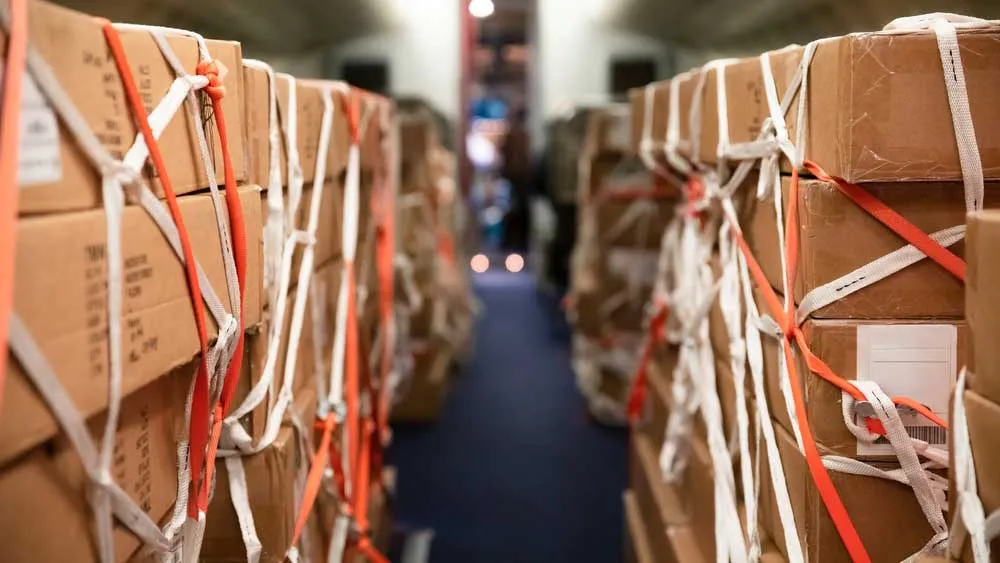
Aviation keeps far more than passengers moving. Every day, aircraft transport fresh produce, pharmaceuticals, engineering components and other high-value cargo that businesses depend on. For industries where time matters, air freight often keeps supply chains running when other modes of transport aren’t an option.

Like much of South Africa’s transport sector, aviation is operating in a demanding environment. Rising costs, ageing infrastructure and changing regulations continue to test airlines, airports and cargo operators, while growing demand places even greater pressure on the industry to operate efficiently.

Rising Operating Costs

Every flight comes with a long list of costs before an aircraft even leaves the ground. Fuel, maintenance, airport charges, insurance and aircraft leasing all add to the cost of keeping airlines in the air, while exchange rate fluctuations can make operating expenses even more unpredictable.

Those costs don’t stop with passenger airlines. Air cargo operators face many of the same pressures, influencing freight rates and the cost of moving high-value, time-sensitive goods across South Africa and beyond.

Infrastructure and Airport Operations

An airport is a carefully coordinated operation where aircraft, cargo, baggage, customs and ground crews all work to tight schedules. When one part of that system is delayed, the effects can quickly spread to the rest of the operation.

For businesses relying on air freight, even small disruptions can delay deliveries and interrupt supply chains. Maintaining reliable airport infrastructure and efficient ground operations remains essential for keeping goods and people moving.

Safety and Security

Keeping people and cargo safe is one of aviation’s biggest responsibilities. Airports, airlines and cargo operators invest heavily in security, training and technology to reduce risk while keeping aircraft and freight moving on schedule.

For air cargo, security doesn’t end once a shipment leaves the airport. Careful handling, real-time tracking and close coordination between logistics partners all help ensure valuable goods reach their destination safely.

Skills and Workforce Development

The aviation industry depends on people with specialist skills. Pilots, engineers, air traffic controllers, technicians and ground handling teams all work together to keep flights operating safely and on time.

Technology is changing the way the industry works, creating demand for new digital skills alongside traditional aviation expertise. Attracting and training the next generation of aviation professionals will be just as important as investing in aircraft and airport infrastructure.

Sustainability and the Future of Aviation

Sustainability is becoming part of everyday operations across the aviation industry. Airlines are improving fuel efficiency and renewing their fleets, while airports are investing in renewable energy and more efficient facilities.

Many of these changes also help reduce operating costs, showing that environmental responsibility and commercial performance often go hand in hand.

Aviation has always adapted to changing conditions, and today’s challenges are no different. As the industry evolves, the focus remains on finding practical ways to improve efficiency, strengthen operations and keep people and goods moving.

Continue Reading

Freight Forwarding

SAFLA and AMIE SA Sign MoC to Advance South Africa’s Meat-trade Logistics

Published

on

Blurred image of a man moving goods in a cold-chain logistics warehouse

The South African Freight and Logistics Association (SAFLA) and the Association of Meat Importers and Exporters of South Africa (AMIE SA) have signed a Memorandum of Cooperation (MoC) to deepen collaboration on the logistics, port-operational and regulatory issues affecting South Africa’s meat trade.

SAFLA and AMIE SA will use the MoC to identify recurring constraints, exchange evidence and develop practical, solutions-focused proposals for engagement with government agencies and stakeholders. The partnership will support constructive dialogue on port operations, border processes, veterinary and sanitary requirements, market access, rail and road connectivity, and supply-chain resilience.

A United Voice to Find Practical Solutions

“Logistics is fundamental to food security, trade competitiveness and economic growth,” says Jonathan McDonald, Vice Chairman of SAFLA. “This MoC gives SAFLA and AMIE SA a stronger platform to speak with one informed voice, engage constructively with government agencies and work with them to resolve issues that affect cargo flow, costs and reliability. We are most effective when industry brings evidence, expertise and practical solutions to the table.”

Paul Matthew, CEO of AMIE SA, adds that improved collaboration between industry and government is essential if South Africa is to turn trade opportunities into measurable growth. “We have the product, the capability and markets that are ready to buy South African meat,” Matthew notes. “What is required is effective coordination: clear communication between national and provincial authorities, efficient certification and inspection processes, and a willingness to bring the private sector into the solution.”

For meat exporters, the ability to supply international customers consistently is crucial. Delays in market-access processes and veterinary approvals can cause buyers to source from alternative suppliers. Animal-health events remain a trade risk, underlining the importance of robust traceability, credible controls and internationally accepted approaches to regionalisation.

Matthew highlights that trade is not a zero-sum choice between exports and domestic affordability. “Export markets enable producers to obtain value for different cuts across the carcass. That improves overall carcass balance and can support a more sustainable, affordable domestic supply,” he says.

The MoC recognises that food safety and regulatory compliance are non-negotiable. Its purpose is to support processes that are rigorous, proportionate and consistently applied, while ensuring that avoidable administrative bottlenecks do not undermine trade, jobs or consumer access to protein.

AMIE SA estimates that South Africa exported approximately 81,000 tonnes of red meat, including beef, sheep and goat meat, worth around R63 billion between 2025 and May 2026, demonstrating the significant economic potential of the sector even amid disease-related and administrative constraints.

The freight-forwarding sector that enables this trade is itself substantial, with South Africa’s freight-forwarding market estimated to have generated approximately R81 billion in revenue in 2025. Freight forwarders also coordinate more than 80% of the country’s international trade, reinforcing the strategic importance of efficient, reliable logistics systems.

Room for Further Improvement

“Meat trade depends on logistics, predictable inspection and cargo-release processes, veterinary controls, and reliable access to international markets,” continues McDonald. “When these systems do not operate in concert, the consequences are felt by producers, importers, exporters, cold stores, transporters, processors, retailers and consumers.”

While there have been encouraging improvements in infrastructure and equipment in the Durban port, industry continues to confront operational pressure points, including cold-chain capacity, container handling, inspection coordination and release of consignments.

“Through industry engagement, communication and joint advocacy, SAFLA and AMIE SA intend to help convert recurring challenges into coordinated action,” concludes McDonald. “The associations believe that a unified industry voice, combined with respectful partnership with government, can improve the country’s logistics ecosystem, strengthen national supply-chain performance and support a competitive, resilient South African meat sector.”

Jonathan McDonald – Vice Chair of SAFLA, with Paul Matthew, CEO of AMIE SA

Vice Chair of SAFLA, John McDonald shaking hands with Paul Matthew, CEO of AMIE SA

Jonathan McDonald – Vice Chair of SAFLA, with Paul Matthew, CEO of AMIE SA

Continue Reading

Freight Forwarding

SAFLA Strengthens Regional Engagement with SARS Customs

Published

on

Blurred shot of a meeting in progress

On 14 July 2026, representatives of the South African Freight and Logistics Association (SAFLA) met in person with SARS Customs management teams in the Western Cape and Johannesburg to advance practical solutions for the freight forwarding and logistics sector.

The engagements build on SAFLA’s formal representation in SARS Customs stakeholder structures and are intended to create direct, practical channels between Customs and industry at regional level. The focus is on efficient trade processes, timely and transparent communication, responsible representation and consistent compliance.

“This is what practical partnership looks like,” says SAFLA Executive Officer Dave Logan. “We are not waiting for problems to accumulate. We are engaging SARS regionally, with clear agendas and evidence from members, so that issues can be addressed before they add avoidable time and cost to legitimate trade.”

Dave Logan, SAFLA Executive Officer

Western Cape Establishes a Structured Working Relationship

SAFLA’s Western Cape Working Group met the SARS Customs regional management team to present the Association’s national and regional model and agree on a structured engagement process.

SARS welcomed the platform and committed to monthly management meetings with the Working Group. It also indicated that broader stakeholder meetings involving customs brokers, shipping lines, depots and freight forwarders would be reinstated.

“SAFLA will continue to participate in quarterly Sea Modality structures and circulate meeting agendas in advance so that both sides arrive prepared to resolve clearly defined issues,” says SAFLA Vice President Jonathan McDonald. “The first formal management meeting is scheduled for 4 August 2026, with a broader stakeholder meeting expected later that month.”

Jonathan McDonald, SAFLA Vice President

“SARS is reviewing Western Cape Customs processes, operating practices and potential technology improvements. SAFLA members will be able to contribute evidence-based input on bottlenecks, inspection delays, communication gaps and the commercial cost of avoidable hold-ups,” McDonald adds.

This channel is particularly important for smaller operators, which have less capacity to absorb the cost of delays and repeated administrative escalation.

Regional Engagement Progresses in Johannesburg and KwaZulu-Natal

In Johannesburg, SAFLA representatives outlined the Association’s purpose and regional engagement model to SARS Customs. SARS indicated a willingness to meet monthly on Customs matters affecting Johannesburg, including Sea Modality issues.

As the relationship moves towards formalisation, SARS requested SAFLA’s stakeholder engagement documentation, confirmation of the Association’s recognition, an organisational chart and current membership numbers. These governance steps will support a durable, properly constituted relationship and inform engagement in other SARS regions.

SAFLA’s KwaZulu-Natal Working Group has meanwhile focused on engagement with Transnet National Ports Authority (TNPA) at the Port of Durban, as road congestion continues to affect access to terminals and depots.

“At a meeting on 24 July, the port manager outlined short- and long-term interventions being implemented. Road access remains a particular concern, including access to the port’s container terminals, the Island View (Cutler) Complex and Bulk Connections,” explains Dave Watts, a member of SAFLA’s KwaZulu-Natal Working Group.

SAFLA KZN Working Group Member Dave Watts

International Container Terminal Services  (ICTSI) assumed day-to-day operational responsibility for Durban Container Terminal Pier 2 in January 2026 under its partnership with Transnet.

“Regular engagement with management across Durban’s container terminals is continuing. At Durban Gateway Terminal, members are reporting limited truck-booking slots and considerable staging-area delays. High volumes, vessel bunching and equipment breakdowns are among the issues understood to be affecting performance,” Watts adds.

The KwaZulu-Natal Working Group also attended a regional SARS Customs meeting as an observer and is working to establish an ongoing relationship with regional Customs officials.

A Practical, Outcomes-Based Relationship

“These engagements show that both parties are willing to build practical, accountable working relationships focused on measurable outcomes. SAFLA’s role is to bring evidence, represent members with integrity and work alongside SARS on solutions that improve both trade facilitation and compliance,” McDonald says.

“SAFLA exists to give freight forwarders a credible voice, nationally and in every region where trade happens. We will keep engaging constructively and measure success by whether the issues raised translate into clearer processes and operational improvements,” he concludes.

Continue Reading

Freight Forwarding

The Growing Importance of Intermodal Transport in South Africa

Published

on

Admin

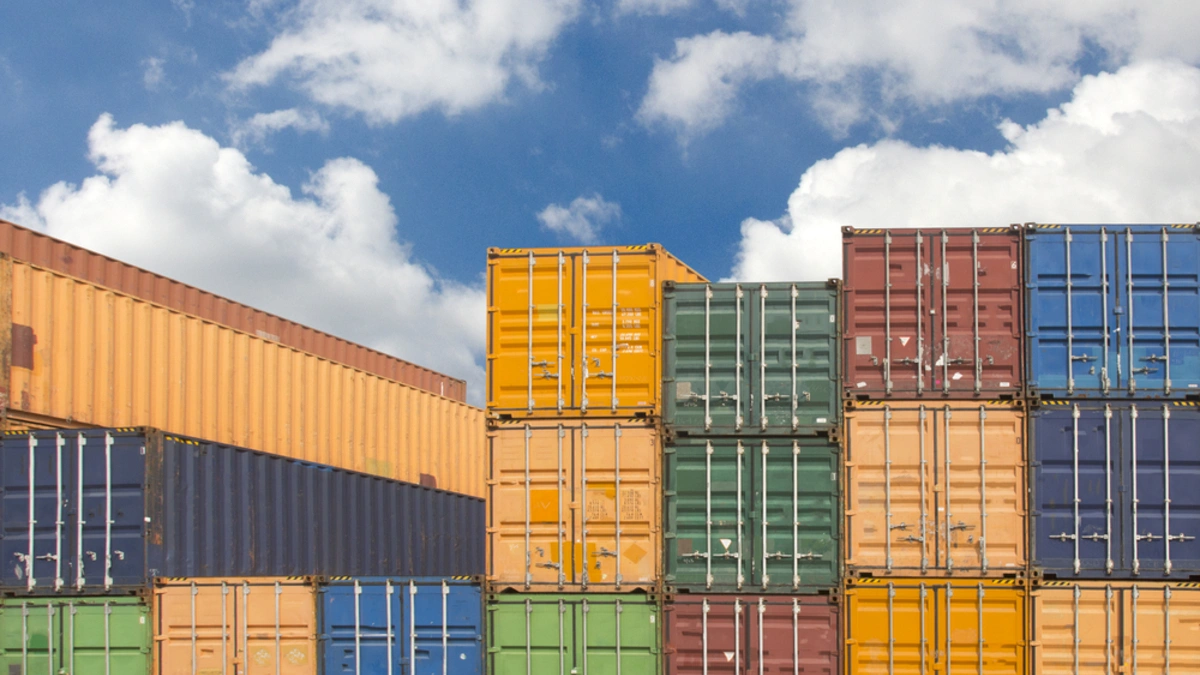
A shipment arriving in South Africa rarely reaches its destination using just one form of transport. A container might arrive by ship, travel inland by rail and complete the final leg of its journey by road before reaching a warehouse or distribution centre. It’s a process most businesses rely on without giving it much thought, but it has a name: intermodal transport.

As supply chains become more complex, moving goods efficiently is no longer about choosing one mode of transport over another. It’s about understanding how road, rail, sea and air can work together. For South Africa, where freight often travels hundreds of kilometres between ports, cities and distribution hubs, that approach is becoming increasingly important.

One Journey, Multiple Modes of Transport

Intermodal transport refers to moving goods using two or more modes of transport during a single journey, while the cargo remains in the same container or trailer. Instead of unpacking and repacking products at every stage, the container itself is transferred between ships, trains and trucks until it reaches its final destination.

The approach combines the strengths of each transport mode. Sea freight is well suited to international shipping, rail can move large volumes over long distances and road transport provides the flexibility needed to collect and deliver goods almost anywhere in the country.

Why it Matters in South Africa

South Africa’s freight network stretches across thousands of kilometres, connecting ports, industrial centres, warehouses and retail hubs. Imported goods arriving in Durban or Cape Town often need to reach businesses in Gauteng, while agricultural exports from inland provinces make the journey in the opposite direction before leaving the country.

No single mode of transport can efficiently handle every stage of those journeys. Intermodal transport allows logistics providers to use each network where it performs best, creating a more connected and efficient supply chain.

Building More Efficient Supply Chains

Moving freight across South Africa rarely goes exactly to plan. Delays at a port, road closures or disruptions on the rail network can quickly affect the rest of the journey, forcing logistics providers to rethink how goods reach their destination.

Using different modes of transport gives businesses more options when those challenges arise. Instead of relying on a single route, they can adapt their transport plans and keep freight moving with as little disruption as possible.

Connecting Transport Through Technology

Keeping freight moving across several transport networks depends on good communication. Warehouse teams, transport operators and customers all need to know where shipments are and when they’re expected to arrive.

Digital tracking, transport management systems and electronic documentation have made that much easier. With better visibility across the journey, businesses can respond more quickly to delays, keep customers informed and make day-to-day transport planning far more straightforward.

Looking Beyond a Single Mode of Transport

The most efficient supply chains don’t rely on just one way of moving goods. Road, rail, sea and air each solve different transport challenges, and together they create a stronger, more connected logistics network.

As South Africa’s transport infrastructure continues to evolve, businesses are looking beyond individual transport modes and focusing on how they work together. Choosing the right combination often makes a bigger difference than choosing the fastest route alone.

Continue Reading

ADVERTISEMENT

Random Image
Advertisement

Trending