
Materials Handling
One Week to Go: Practical Automation Roadmaps at the CILTSA Warehousing Conference


JOHANNESBURG, SOUTH AFRICA – With only days left until the Chartered Institute of Logistics and Transport South Africa (CILTSA) hosts its warehousing conference on Thursday, 9 July 2026, registration is rapidly drawing to a close. Supply chain, logistics, and operations executives are urged to secure their final seats for this half-day session in Randburg, designed to provide a practical roadmap for businesses navigating the sector’s digital transition.
Titled “From Warehouse to High-Performance Distribution Engine: Driving Efficiency through Digitalisation, Technology and Artificial Intelligence (AI)” and proudly sponsored by ISB Optimus and Powerfleet, the event moves beyond theoretical industry trends. Instead, it offers pragmatic insights for CEOs, Operations Directors, and Warehouse Managers looking to optimise storage facilities into high-speed, data-driven distribution operations.
The Speaker Lineup
Attendees will gain direct access to industry professionals who are actively implementing digital solutions within South African logistics. The speaker lineup includes:
- Clayton Thomas (Managing Director, Industrial Logistic Systems): Unpacking “Why ‘Good Enough’ is No Longer Enough,”laying out the baseline realities of modern competitive operations.
- Brian Mudhokwani (Chief Operations Officer, ISB Optimus): Revealing the hidden, invisible costs of delivery and demonstrating how digital tools can protect and productively deploy working capital.
- Gerhard van Zyl (Group Operations Director, Professional Group of Companies): Demonstrating real-world AI applications that optimise picker and forklift routing to eliminate wasted travel time.
- Steven Sutherland (General Manager – Middle East and Africa, Powerfleet): Showcasing how smart digital dashboards replace slow, risky manual paperwork, streamline operations, and proactively manage safety risks.
High-Performance Takeaways for a Changing Market
“The businesses that win contracts and build sustainable margins over the next decade will be those powered by data and intelligent automation,” cautions Elvin Harris, President of CILTSA.
By attending this half-day intervention, delegates will walk away with actionable insights to:
- Slash operational costs: Understand the frameworks needed to unlock up to a 60% reduction in labour costs and achieve immediate efficiency gains.
- Accelerate fulfillment: Learn how modern automated systems can boost throughput and picking speeds by up to 300%.
- Eliminate invisible leaks: Transition from risky paper-based compliance to live, proactive digital dashboards that protect both staff and capital.
Final Call for Registration
With the event only a week away, seats are strictly limited and booking fast. Logistics professionals, 3PL providers, and procurement leads cannot afford to miss this definitive gathering before the industry enters peak-season planning.
Event Details & Registration:
- Date: Thursday, 9 July 2026
- Time: Half-day session
- Venue: Fairways Hotel: Setperk Avenue, Randpark, Randburg
- Registration Link: Click here to register online
- Enquiries: Email [email protected] or call 082 673 9697 / 087 133 0525.

Elvin Harris: President – The Chartered Institute of Logistics & Transport South Africa

Clayton Thomas: Managing Director – Industrial Logistic Systems

Brian Mudhokwani: Chief Operating Officer – ISB Optimus
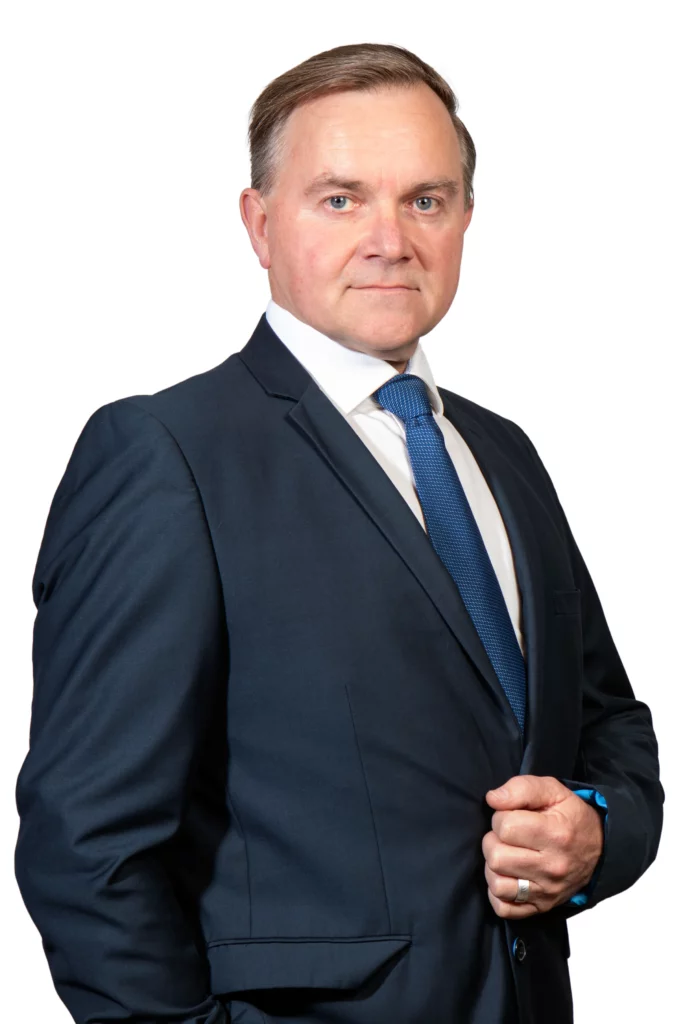
Steven Sutherland (General Manager – Middle East and Africa, Powerfleet)

Gerard van Zyl: Group Operations Director – Professional Group of Companies
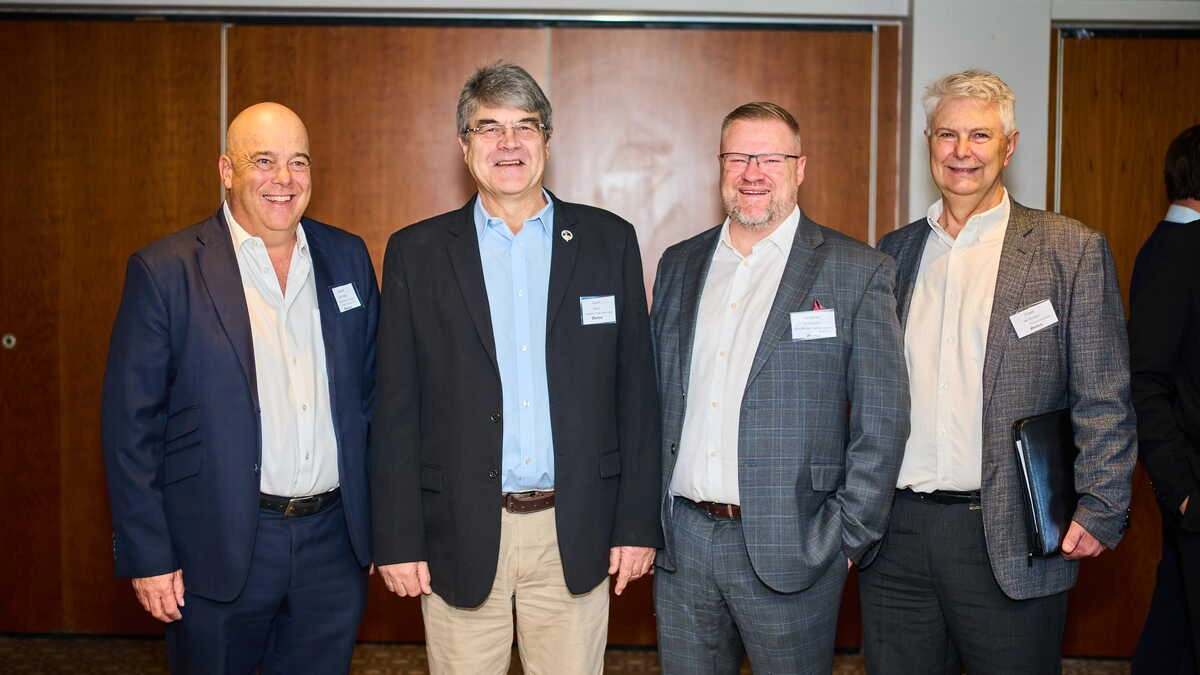
The South African Freight and Logistics Association (SAFLA) has launched its Gauteng region, appointing Eric Pillay as regional chairperson and placing stakeholder engagement, border delays and port bottlenecks at the centre of its agenda.
Pillay, owner of Pro-Active Shipping & Freight Solutions, will lead the region’s efforts to strengthen industry representation and improve engagement with the organisations that influence cargo movement. “We work closely with SAFLA nationally to ensure that our issues are addressed,” Pillay stated, outlining how the Gauteng chapter will connect regional concerns with SAFLA’s countrywide advocacy and engagement.
The official launch breakfast at the Johannesburg Country Club in Woodmead, brought together freight and logistics colleagues and key stakeholders to mark the establishment of a regional platform supported by SAFLA’s national structures.
A Collective Voice for Gauteng
Pillay said the chapter responds to clearing and forwarding companies’ need for a collective voice in their dealings with organisations such as the Border Management Authority and other state-owned enterprises and shipping lines. Its first-year priorities centre on improving stakeholder relationships to boost trade and support regional growth, with border and port delays receiving immediate attention.
Pillay’s longer-term vision focuses on stronger partnerships and efficient cargo movement across Gauteng’s supply chains. “Transport is key to keeping the economy going and I would like to see increased cargo volumes moving efficiently, freely and safely.”
SAFLA Gauteng welcomes companies operating in clearing, forwarding and transport in Gauteng. Smaller and emerging operators can use its platform to raise concerns and access support in navigating industry challenges.
Regional Action Supporting National Reform
SAFLA chair Arend du Preez highlighted the association’s commitment to strengthening regional representation within a unified national framework. “By strengthening our regional representation, we ensure that local concerns are heard, local expertise is utilised, and local solutions can be developed while still benefiting from national support and coordination,” du Preez explained.
He emphasised constructive engagement between industry participants to identify the causes of disruption and resolve operational pressure points. “At the end of the day, our objective remains simple,” he said. “Cargo must move.”
Economic Regulation, Fair Access and Transparent Pricing Highlighted
Guest speaker Ian Bird, Transport & Logistics Focal Area Lead at Business for South Africa, addressed the business-government partnership and progress on logistics reforms, placing the regional launch within the broader effort to improve South Africa’s freight system.
Bird’s presentation highlighted the importance of effective economic regulation, fair access and transparent pricing in encouraging investment. “Effective regulation builds confidence and unlocks investment,” Bird highlighted in his presentation.
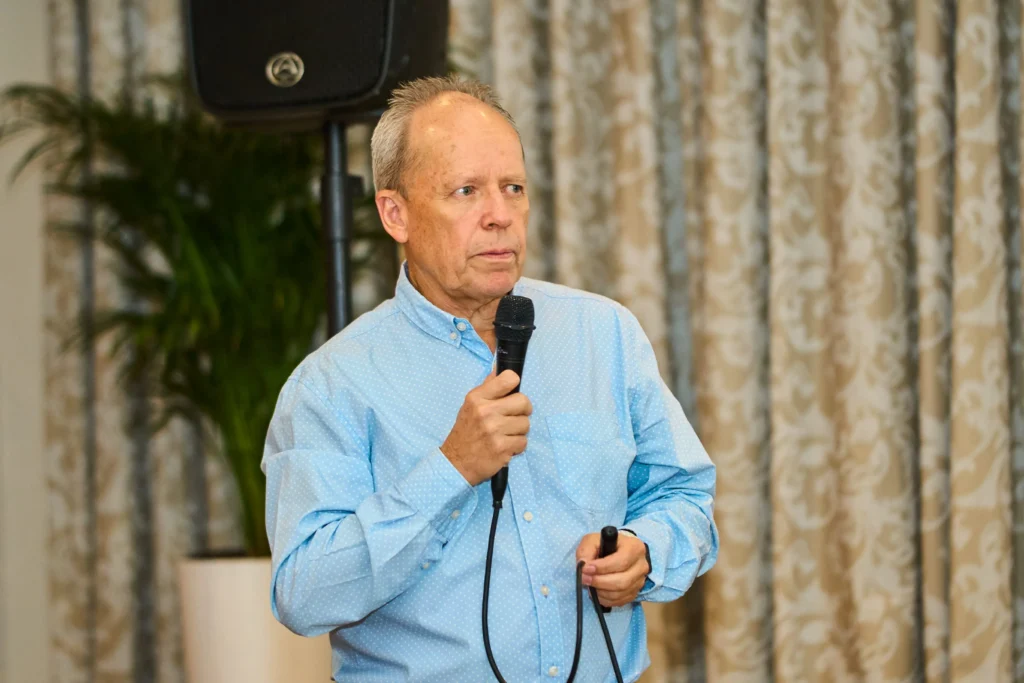
Ian Bird: Transport & Logistics Focal Area Lead – Business for South Africa
He also stressed that to deliver the freight volumes so urgently needed by the economy will require both improving the rail network for Transnet and private Train Operating Companies, as well as implementing a comprehensive program of structural reform. The growth in rail volumes will be driven by general freight, which by it’s very nature requires more complex supply chains being developed, operated and managed.
For SAFLA Gauteng, these national priorities reinforce the value of sustained regional engagement with supply chain stakeholders and coordinated escalation of members’ concerns.
SAFLA’s Gauteng chapter aims to help remove bottlenecks, reduce the costs associated with delayed cargo and support trade competitiveness through practical collaboration. Members can also raise local operational issues through SAFLA’s national structures.
Commenting on the launch, Road Freight Association (RFA) CEO Gavin Kelly said the RFA’s MoU with SAFLA means a “stronger, more coordinated industry voice,” while Warwick Lord, chairperson of the Multimodal Inland Port Association (MIPA), added that MIPA “looks forward to working with the association for the benefit of its members and the industry.” Paul Matthew, CEO of the African Meat Importers and Exporters Association added: “Importers and exporters depend on efficient, well-represented freight forwarders. We are proud to partner with SAFLA”.

Warwick Lord: Chairperson – Multimodal Inland Port Association (MIPA)
“It means a great deal to me to be part of SAFLA,” continued Pillay. “The industry has been longing for a voice to air their issues and now we have it.”

Eric Pillay: Owner – Pro-Active Shipping & Freight Solutions

Paul Matthew: CEO – African Meat Importers and Exporters Association


Runway to Railway Puts Innovation and African Identity at the Heart of Infrastructure

AGOA is Back – But Can Africa Manufacture Its Way Into the Opportunity?

Bakers SA Limited Invests in Next-Generation Electric Fleet with 67 New Serco Bodies


-

 Management4 months ago
SEO, AEO, GEO and SEO for AI: What Is the Difference for the Supply Chain Industry?
-

 Transport4 months ago
LDV T60 Max vs GWM P500 vs Isuzu D-Max vs Toyota Hilux vs Ford Ranger: Which Double-Cab Bakkie Offers the Best Value?
-

 Logistics5 months ago
DHL Group to invest around € 160 million in 2026-2027 to strengthen logistics infrastructure and support clean energy transition in France
-

 Logistics4 months ago
Top 5 Warehousing and Logistics Companies in the Western Cape by Google Review Rating
-

 Logistics5 months ago
DHL Expands Asia Pacific Data Center Logistics Capabilities to Support Growing Regional Demand
-

 Logistics5 months ago
Top 10 Warehousing and Logistics Companies in Gauteng by Google Review Rating
-

 Freight Forwarding5 months ago
The Hidden Cost of Shipping from China to South Africa — What Every SA Importer Needs to Know in 2026
-

 Logistics4 months ago
Top 4 Lift Truck Companies in Gauteng