Connect with us

Freight Forwarding

Five Strategic Projects for SAAFF

Published

on

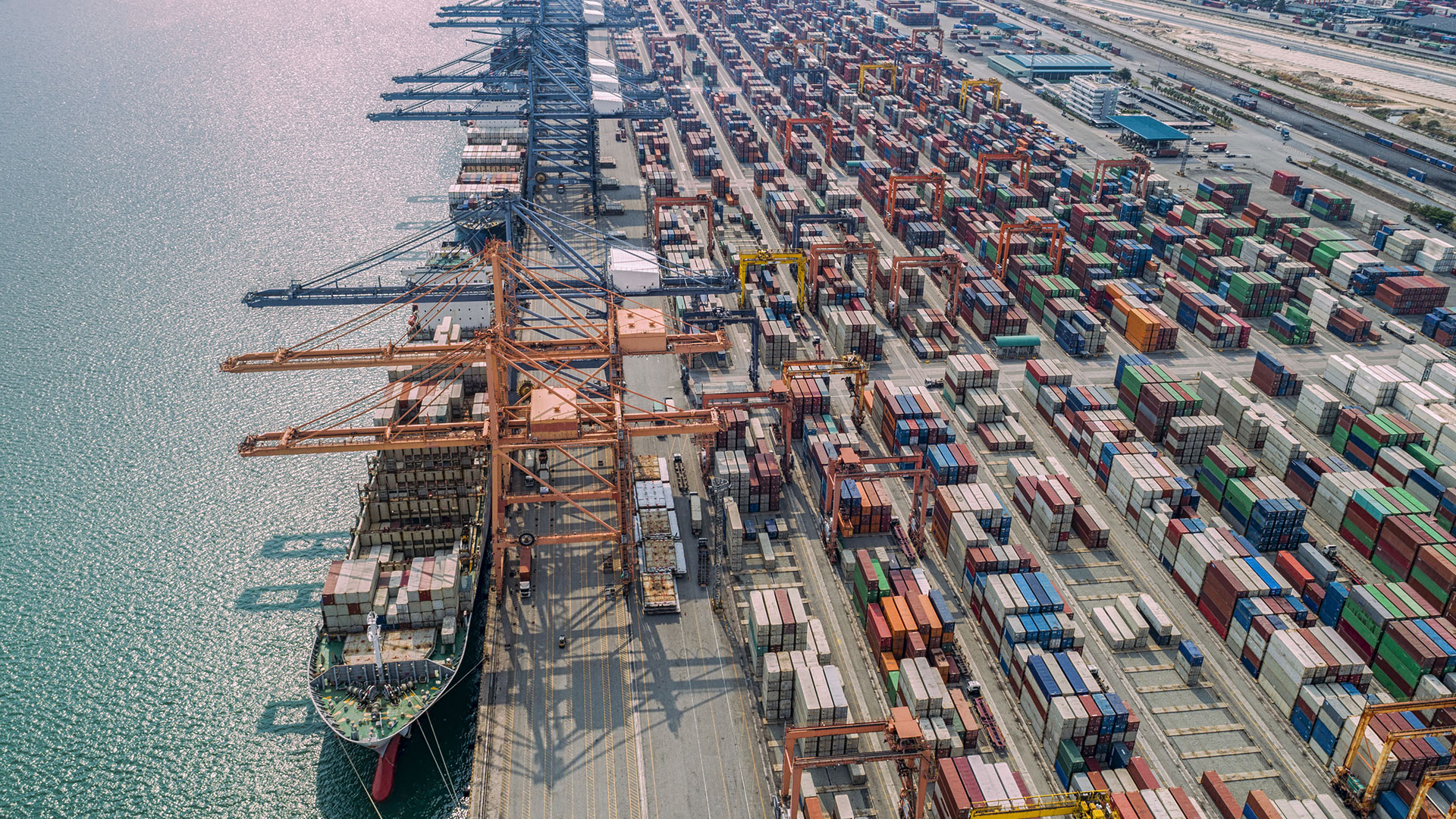
Cargo containers in port

To align with its Strategic Vision, SAAFF has identified 5 projects in which it will be actively participating, through the support of the different SAAFF Chapters. Progress updates, with the team and its successes will be shared on the SAAFF website – please visit the project page regularly. Here is a brief overview of each of the projects:

  1. North South Corridor: Headed up by Lin Botha, with a strong linkage to the Transport Forum and work done by DTIC, Director, John Rocha.

Background: A multi-modal (road, rail and ports) trans-continental project providing interconnectivity between Durban and the North of Africa, this project covers various aspects such as upgrading the infrastructure including roads, bridges, border posts, etc. This further requires the working together of the “member” countries – South Africa, Botswana, Mozambique, Zambia, Zimbabwe, Tanzania and Malawi.

Deliverable: The key focus is to increase the efficiency and capacity of the transport sectors, ensuring easy border crossing for both cargo and passengers. This ultimately will lead to a reduction in the costs and delays and create regional integration, leading to increased regional trade.

  1. World Customs Organisation – East and Southern Africa (WCO-ESA) – Regional Private Sector Group: Headed up by Devan Govender, Vice Chair of SAAFF and the Kwa-Zulu Natal Chapter

Background: Comprising 24 member countries, the purpose of this group is to monitor the effective implementation of the WCO toolkit (Guidelines, Standards, instruments) and their effective uptake to ensure we operate in the most efficient ESA region. This will ultimately lead to the economic growth of the Region in trade, security and protection of all citizens. The Regional Private Sector Group will provide the WCO- PSCG (Private Sector Consultative Group) and Customs administrations via WCO – ESA- ROCB (regional office for Capacity Building) with input from a trade and business perspective. SAAFF is currently the project leader in the Region of this Forum and will ensure that a collective, transparent, inclusive working method is adopted amongst the 24 member countries. Please visit the web page: www.wcoesarpsg.org

Deliverables: To be part of an effective lobby group and ensure that the views of the private sector are heard and incorporated into the WCO-PSCG agenda, with good practical solutions and real verified case studies.

  1. Authorised Economic Operator (AEO) Project (Owners and Role-players in the Extended Supply Chain: Compliance, Safety and Security): Headed up by Llewelyn Osborne, Chair of the Western Cape Chapter

Background: South Africa’s Preferred Trader (PT) Programme (compliance) was embarked on a number years ago by SARS. The PT programme matured and SARS is now ready to migrate from the existing PT programme, to the AEO Programme (fully-fledged), adding the safety and security component into the supply chain. The AEO Programme will include the owners of the supply chain as well as the role-players in the extended supply chain. This AEO programme started with its migration pilot phase/testing in 2019 within the automotive industry and will now move to the textile and other industries.

Deliverables: To facilitate the moving of PT-approved clients into the AEO Programme, which provides additional benefits, as risk is being transferred to the trader himself for a better compliant, safety and secure trading environment. Trust needs to be established in the trading environment to ensure Customs Administration (SARS) can put reliance on the traders’ ability to uphold the high level of standards. With the effective transferring of responsibility and ownership, traders will benefit by being able to unlock a better international trading environment. This will soon be expanded to include the role-players in the extended supply chain.

  1. Smart Borders (DHA, DOT, SARS, C-BRTA, DTIC): Chaired by Rossouw Botha, Chair of SAAFF’s PE Chapter

Background: Smart borders have been around for many years, but mainly in the developed countries i.e. the European Union (EU). There have been numerous discussions around the establishing of these types of borders in Africa and SARS has engaged Trade, other government agencies (OGAs) and neighbouring countries. These borders are where all systems, OGAs and countries are integrated. As cargo moving through these borders, they will only be processed once: in doing so they would have cleared Customs, OGAs and immigration for both countries. All this processing will take place electronically.

Deliverable: Reduce delays and costs of moving cargo through land borders, working towards the African Continental Free Trade Area (AfCTFA) and the WTO-TFA trade facilitation agenda.

  1. New Customs Acts Programme (NCAP) – Activation of the New Act: Chaired by Maria du Preez, Chair of SAAFF Gauteng

Background: The roll-out of the new Customs Acts (Duty Act 30 and Control Act 31 of 2014), started in April 2018. Since then, several different aspects have already been implemented, such as RCG (Reporting for the Conveyance of Goods) and RLA (Registration, Licensing and Accreditation). The current indication is that the complete Acts should be rolled out by 2025. The project is divided into 7 high-level phases and an active leading role from the private sector is required. The implementation, testing and case studies on the effectiveness will be much needed, to ensure a real collaborative approach between the private sector and Government to bring about sustainable benefits. Once the skill sets are complimentary between the private and public sectors, the best solutions with successful uptake and implementation will be guaranteed.

Deliverable: Working with SARS in a real, tangible, collaborative way will ensure quicker and smoother rollout of the new Acts, also ensuring that the rollout does not interrupt trade and add to costs/delays.

Freight Forwarding

The Growing Importance of Intermodal Transport in South Africa

Published

on

Admin

A shipment arriving in South Africa rarely reaches its destination using just one form of transport. A container might arrive by ship, travel inland by rail and complete the final leg of its journey by road before reaching a warehouse or distribution centre. It’s a process most businesses rely on without giving it much thought, but it has a name: intermodal transport.

As supply chains become more complex, moving goods efficiently is no longer about choosing one mode of transport over another. It’s about understanding how road, rail, sea and air can work together. For South Africa, where freight often travels hundreds of kilometres between ports, cities and distribution hubs, that approach is becoming increasingly important.

One Journey, Multiple Modes of Transport

Intermodal transport refers to moving goods using two or more modes of transport during a single journey, while the cargo remains in the same container or trailer. Instead of unpacking and repacking products at every stage, the container itself is transferred between ships, trains and trucks until it reaches its final destination.

The approach combines the strengths of each transport mode. Sea freight is well suited to international shipping, rail can move large volumes over long distances and road transport provides the flexibility needed to collect and deliver goods almost anywhere in the country.

Why it Matters in South Africa

South Africa’s freight network stretches across thousands of kilometres, connecting ports, industrial centres, warehouses and retail hubs. Imported goods arriving in Durban or Cape Town often need to reach businesses in Gauteng, while agricultural exports from inland provinces make the journey in the opposite direction before leaving the country.

No single mode of transport can efficiently handle every stage of those journeys. Intermodal transport allows logistics providers to use each network where it performs best, creating a more connected and efficient supply chain.

Building More Efficient Supply Chains

Moving freight across South Africa rarely goes exactly to plan. Delays at a port, road closures or disruptions on the rail network can quickly affect the rest of the journey, forcing logistics providers to rethink how goods reach their destination.

Using different modes of transport gives businesses more options when those challenges arise. Instead of relying on a single route, they can adapt their transport plans and keep freight moving with as little disruption as possible.

Connecting Transport Through Technology

Keeping freight moving across several transport networks depends on good communication. Warehouse teams, transport operators and customers all need to know where shipments are and when they’re expected to arrive.

Digital tracking, transport management systems and electronic documentation have made that much easier. With better visibility across the journey, businesses can respond more quickly to delays, keep customers informed and make day-to-day transport planning far more straightforward.

Looking Beyond a Single Mode of Transport

The most efficient supply chains don’t rely on just one way of moving goods. Road, rail, sea and air each solve different transport challenges, and together they create a stronger, more connected logistics network.

As South Africa’s transport infrastructure continues to evolve, businesses are looking beyond individual transport modes and focusing on how they work together. Choosing the right combination often makes a bigger difference than choosing the fastest route alone.

Continue Reading

Freight Forwarding

Building a More Resilient Aviation Industry in South Africa

Published

on

Admin

The aviation industry has always had to deal with the unexpected. A change in the weather, a delayed shipment or an aircraft requiring unscheduled maintenance can quickly affect everything that follows. Keeping flights on schedule isn’t just about what happens in the air – it’s about how well the entire operation responds when things don’t go according to plan.

That ability to adapt has become increasingly important in South Africa. As passenger travel grows, air cargo becomes more important to trade and technology continues to reshape the industry, resilience is no longer something that’s only tested during major disruptions. It’s built into the way airports, airlines and logistics providers operate every day.

Building Stronger Airports Starts Behind the Scenes

Most passengers judge an airport by how quickly they check in or collect their luggage. Behind those experiences is a much larger operation that’s constantly working to keep aircraft, baggage and freight moving.

Cargo terminals, maintenance facilities, customs teams and ground handling crews all have a role to play. When these parts of the airport work well together, flights run more smoothly, freight moves more efficiently and delays become easier to manage. That’s why investment isn’t only about expanding airports – it’s also about improving how the entire operation works.

People Keep the Industry Moving

Every flight depends on hundreds of decisions being made before an aircraft even leaves the ground. Pilots, engineers, technicians, air traffic controllers and ground crews each bring skills that technology simply can’t replace.

Digital systems have made many tasks faster and more accurate, but aviation will always rely on experienced people who know how to respond when something changes. Continuing to develop those skills will be just as important as investing in new aircraft or airport infrastructure.

Air Cargo is More Than Freight

When people think about aviation, passenger travel usually comes to mind first. Yet every day, aircraft also carry products that businesses and communities rely on, from medical supplies and fresh produce to high-value manufacturing components.

Getting those goods to their destination takes careful coordination. Airports, warehouses, road transport and customs operations all need to work together to keep shipments moving. The better those connections become, the easier it is for businesses to respond to changing demand and keep their supply chains running.

Better Decisions Begin with Better Information

Anyone working in aviation knows that small delays rarely stay small for long. A late arrival, poor weather or a hold-up in cargo handling can affect aircraft, crews and connecting shipments throughout the day.

Having the right information at the right time makes those situations much easier to manage. Real-time tracking, predictive maintenance and operational data give airlines and airports a clearer picture of what’s happening, allowing them to respond before minor disruptions become much bigger problems.

An Industry That Works Best Together

No airline, airport or logistics provider operates on its own. Every successful journey depends on organisations sharing information, coordinating their operations and working towards the same outcome.

Those partnerships have become one of the industry’s greatest strengths. When communication is strong and planning is aligned, it’s far easier to keep passengers moving, cargo flowing and operations running, even when unexpected challenges arise.

No two days in aviation are ever the same, and that’s unlikely to change. New technology, shifting demand and changing trade patterns will continue to reshape the industry, but one thing remains constant: the ability to adapt. The organisations that keep investing in people, infrastructure and stronger partnerships will be the ones that help South Africa’s aviation industry continue moving forward.

Continue Reading

Freight Forwarding

Five Challenges Facing South Africa’s Aviation Industry

Published

on

Admin

Aviation keeps far more than passengers moving. Every day, aircraft transport fresh produce, pharmaceuticals, engineering components and other high-value cargo that businesses depend on. For industries where time matters, air freight often keeps supply chains running when other modes of transport aren’t an option.

Like much of South Africa’s transport sector, aviation is operating in a demanding environment. Rising costs, ageing infrastructure and changing regulations continue to test airlines, airports and cargo operators, while growing demand places even greater pressure on the industry to operate efficiently.

Rising Operating Costs

Every flight comes with a long list of costs before an aircraft even leaves the ground. Fuel, maintenance, airport charges, insurance and aircraft leasing all add to the cost of keeping airlines in the air, while exchange rate fluctuations can make operating expenses even more unpredictable.

Those costs don’t stop with passenger airlines. Air cargo operators face many of the same pressures, influencing freight rates and the cost of moving high-value, time-sensitive goods across South Africa and beyond.

Infrastructure and Airport Operations

An airport is a carefully coordinated operation where aircraft, cargo, baggage, customs and ground crews all work to tight schedules. When one part of that system is delayed, the effects can quickly spread to the rest of the operation.

For businesses relying on air freight, even small disruptions can delay deliveries and interrupt supply chains. Maintaining reliable airport infrastructure and efficient ground operations remains essential for keeping goods and people moving.

Safety and Security

Keeping people and cargo safe is one of aviation’s biggest responsibilities. Airports, airlines and cargo operators invest heavily in security, training and technology to reduce risk while keeping aircraft and freight moving on schedule.

For air cargo, security doesn’t end once a shipment leaves the airport. Careful handling, real-time tracking and close coordination between logistics partners all help ensure valuable goods reach their destination safely.

Skills and Workforce Development

The aviation industry depends on people with specialist skills. Pilots, engineers, air traffic controllers, technicians and ground handling teams all work together to keep flights operating safely and on time.

Technology is changing the way the industry works, creating demand for new digital skills alongside traditional aviation expertise. Attracting and training the next generation of aviation professionals will be just as important as investing in aircraft and airport infrastructure.

Sustainability and the Future of Aviation

Sustainability is becoming part of everyday operations across the aviation industry. Airlines are improving fuel efficiency and renewing their fleets, while airports are investing in renewable energy and more efficient facilities.

Many of these changes also help reduce operating costs, showing that environmental responsibility and commercial performance often go hand in hand.

Aviation has always adapted to changing conditions, and today’s challenges are no different. As the industry evolves, the focus remains on finding practical ways to improve efficiency, strengthen operations and keep people and goods moving.

Continue Reading

ADVERTISEMENT

Random Image
Advertisement

Trending