Connect with us

Freight Forwarding

SAFLA Secures Representation at SARS Customs Stakeholder Forums

Published

on

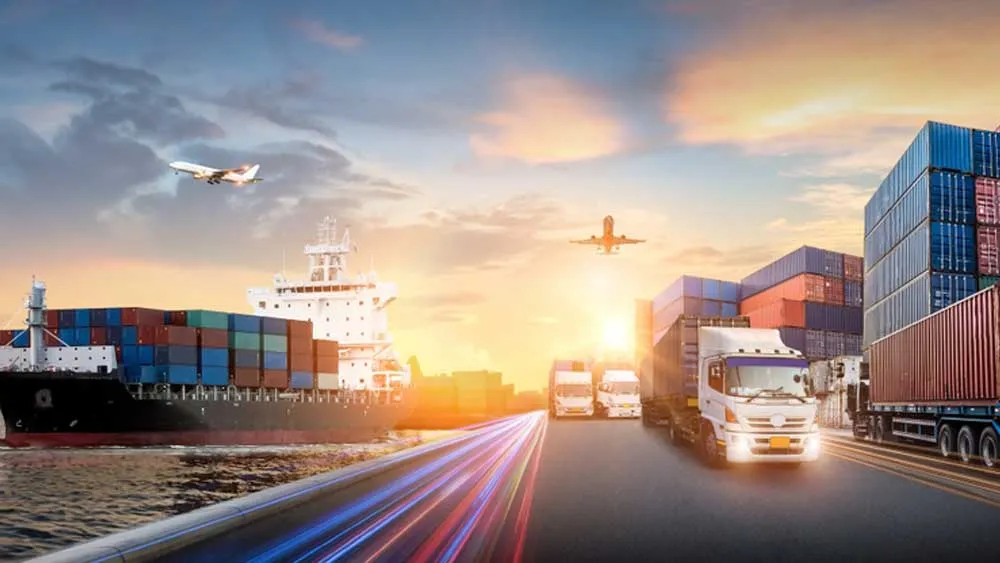
Wide shot of freight transportation with a cargo ship, plane and a freight truck.
Admin

In a major milestone for South Africa’s freight forwarding sector, the South African Freight and Logistics Association (SAFLA) has secured formal representation on the South African Revenue Service (SARS) Customs Stakeholder Forums.

This strategic breakthrough provides SAFLA with the opportunity to advocate for its members, giving the association unprecedented leverage to shape national customs policy, streamline trade regulations, and resolve systemic border bottlenecks.

As a recognised industry body, SAFLA will now participate in a structured, multi-tiered engagement framework established by SARS to foster meaningful collaboration between the revenue authority and key industry stakeholders,” explains SAFLA’s Executive Officer Dave Logan.

The forums operate across four distinct levels: the National Stakeholder Forum, the National Operations Stakeholder Forum, Regional Stakeholder Engagements, and Key Industry Engagements. Each of these is designed to address matters ranging from broad regulatory and strategic concerns to day-to-day operational challenges experienced at branch and regional level.

A Stronger Voice for the Freight and Logistics Industry

Membership of the SARS Customs Stakeholder Forums places SAFLA where it matters most,” continues Logan. “The forums serve as the primary platform through which industry associations may engage SARS on issues affecting customs and excise processes, including registration, reporting, clearance, payment, inspections, offences, penalties, and dispute resolution.

Critically, the forums are not merely advisory in nature. By fostering direct collaboration between SARS and the private sector, the initiative aims to protect South Africa’s economy, accelerate trade facilitation, and cement the country’s reputation as a reliable global trading partner.

Issues that cannot be resolved bilaterally between individual businesses and SARS will now have a structured escalation pathway through SAFLA’s participation in the forums, ensuring that the collective voice of the freight and logistics community is heard and considered in shaping customs policy and practice.

Securing representation at the SARS Customs Stakeholder Forums is a defining moment for SAFLA and, more importantly, for every business operating within South Africa’s freight and logistics sector,” he says. “Our members face real and pressing challenges at the border of customs compliance and trade facilitation every single day. Having a formal seat at these forums means we can engage SARS constructively, raise systemic issues on behalf of our members, and contribute meaningfully to the development of a more efficient and transparent customs environment. This is exactly the kind of institutional access that SAFLA was built to provide.

SAFLA’s participation aligns with the broader mandate of the stakeholder engagement framework, which emphasises the maintenance of professional standards, the alignment of trade practices, and the active removal of barriers and impediments to trade.

The association will engage across all relevant forum levels, ensuring that both strategic and operational matters affecting the freight and logistics industry receive appropriate attention.

Industry stakeholders, members, and interested parties are encouraged to direct any customs-related concerns or queries to SAFLA, which will collate and represent these through the appropriate forum channels.

For more information about SAFLA and its advocacy work on behalf of South Africa’s freight forwarding industry, please visit https://safla.co.za/who-we-serve/.

Dave Logan, SAFLA’s Executive Officer
Continue Reading

Freight Forwarding

Building a More Resilient Aviation Industry in South Africa

Published

on

Admin

The aviation industry has always had to deal with the unexpected. A change in the weather, a delayed shipment or an aircraft requiring unscheduled maintenance can quickly affect everything that follows. Keeping flights on schedule isn’t just about what happens in the air – it’s about how well the entire operation responds when things don’t go according to plan.

That ability to adapt has become increasingly important in South Africa. As passenger travel grows, air cargo becomes more important to trade and technology continues to reshape the industry, resilience is no longer something that’s only tested during major disruptions. It’s built into the way airports, airlines and logistics providers operate every day.

Building Stronger Airports Starts Behind the Scenes

Most passengers judge an airport by how quickly they check in or collect their luggage. Behind those experiences is a much larger operation that’s constantly working to keep aircraft, baggage and freight moving.

Cargo terminals, maintenance facilities, customs teams and ground handling crews all have a role to play. When these parts of the airport work well together, flights run more smoothly, freight moves more efficiently and delays become easier to manage. That’s why investment isn’t only about expanding airports – it’s also about improving how the entire operation works.

People Keep the Industry Moving

Every flight depends on hundreds of decisions being made before an aircraft even leaves the ground. Pilots, engineers, technicians, air traffic controllers and ground crews each bring skills that technology simply can’t replace.

Digital systems have made many tasks faster and more accurate, but aviation will always rely on experienced people who know how to respond when something changes. Continuing to develop those skills will be just as important as investing in new aircraft or airport infrastructure.

Air Cargo is More Than Freight

When people think about aviation, passenger travel usually comes to mind first. Yet every day, aircraft also carry products that businesses and communities rely on, from medical supplies and fresh produce to high-value manufacturing components.

Getting those goods to their destination takes careful coordination. Airports, warehouses, road transport and customs operations all need to work together to keep shipments moving. The better those connections become, the easier it is for businesses to respond to changing demand and keep their supply chains running.

Better Decisions Begin with Better Information

Anyone working in aviation knows that small delays rarely stay small for long. A late arrival, poor weather or a hold-up in cargo handling can affect aircraft, crews and connecting shipments throughout the day.

Having the right information at the right time makes those situations much easier to manage. Real-time tracking, predictive maintenance and operational data give airlines and airports a clearer picture of what’s happening, allowing them to respond before minor disruptions become much bigger problems.

An Industry That Works Best Together

No airline, airport or logistics provider operates on its own. Every successful journey depends on organisations sharing information, coordinating their operations and working towards the same outcome.

Those partnerships have become one of the industry’s greatest strengths. When communication is strong and planning is aligned, it’s far easier to keep passengers moving, cargo flowing and operations running, even when unexpected challenges arise.

No two days in aviation are ever the same, and that’s unlikely to change. New technology, shifting demand and changing trade patterns will continue to reshape the industry, but one thing remains constant: the ability to adapt. The organisations that keep investing in people, infrastructure and stronger partnerships will be the ones that help South Africa’s aviation industry continue moving forward.

Continue Reading

Freight Forwarding

Five Challenges Facing South Africa’s Aviation Industry

Published

on

Admin

Aviation keeps far more than passengers moving. Every day, aircraft transport fresh produce, pharmaceuticals, engineering components and other high-value cargo that businesses depend on. For industries where time matters, air freight often keeps supply chains running when other modes of transport aren’t an option.

Like much of South Africa’s transport sector, aviation is operating in a demanding environment. Rising costs, ageing infrastructure and changing regulations continue to test airlines, airports and cargo operators, while growing demand places even greater pressure on the industry to operate efficiently.

Rising Operating Costs

Every flight comes with a long list of costs before an aircraft even leaves the ground. Fuel, maintenance, airport charges, insurance and aircraft leasing all add to the cost of keeping airlines in the air, while exchange rate fluctuations can make operating expenses even more unpredictable.

Those costs don’t stop with passenger airlines. Air cargo operators face many of the same pressures, influencing freight rates and the cost of moving high-value, time-sensitive goods across South Africa and beyond.

Infrastructure and Airport Operations

An airport is a carefully coordinated operation where aircraft, cargo, baggage, customs and ground crews all work to tight schedules. When one part of that system is delayed, the effects can quickly spread to the rest of the operation.

For businesses relying on air freight, even small disruptions can delay deliveries and interrupt supply chains. Maintaining reliable airport infrastructure and efficient ground operations remains essential for keeping goods and people moving.

Safety and Security

Keeping people and cargo safe is one of aviation’s biggest responsibilities. Airports, airlines and cargo operators invest heavily in security, training and technology to reduce risk while keeping aircraft and freight moving on schedule.

For air cargo, security doesn’t end once a shipment leaves the airport. Careful handling, real-time tracking and close coordination between logistics partners all help ensure valuable goods reach their destination safely.

Skills and Workforce Development

The aviation industry depends on people with specialist skills. Pilots, engineers, air traffic controllers, technicians and ground handling teams all work together to keep flights operating safely and on time.

Technology is changing the way the industry works, creating demand for new digital skills alongside traditional aviation expertise. Attracting and training the next generation of aviation professionals will be just as important as investing in aircraft and airport infrastructure.

Sustainability and the Future of Aviation

Sustainability is becoming part of everyday operations across the aviation industry. Airlines are improving fuel efficiency and renewing their fleets, while airports are investing in renewable energy and more efficient facilities.

Many of these changes also help reduce operating costs, showing that environmental responsibility and commercial performance often go hand in hand.

Aviation has always adapted to changing conditions, and today’s challenges are no different. As the industry evolves, the focus remains on finding practical ways to improve efficiency, strengthen operations and keep people and goods moving.

Continue Reading

Freight Forwarding

Freight Forwarding in South Africa: Why it Matters More Than Ever

Published

on

Admin

A container arrives at the Port of Durban exactly when it is supposed to.

The vessel has kept to schedule, the cargo is ready to be unloaded and the importer is expecting the shipment within a few days. Instead, the container sits at the terminal while customs documentation is verified. Transport bookings need to be rearranged, the warehouse receiving the goods has already moved on to the next delivery slot, and the customer is left wondering why their order has not arrived.

When this happens, transport is often blamed. But more often than not, the delay began long before the truck left the port.

This is where freight forwarding plays a critical role. For businesses importing, exporting or trading across Southern Africa, freight forwarders do far more than organise transport. They coordinate the people, paperwork and processes that keep goods moving through increasingly complex supply chains.

Freight Forwarding is About Coordinating the Entire Supply Chain

Many businesses assume freight forwarders simply book cargo on a ship or aircraft. While arranging transport is part of the job, it is only one piece of a much larger puzzle.

A freight forwarder manages the movement of goods from origin to destination, coordinating shipping lines, airlines, road transport operators, customs authorities, warehouses and final delivery. They prepare documentation, arrange customs clearance, organise cargo insurance, monitor shipments and resolve issues that could delay delivery.

For businesses without in-house logistics expertise, this coordination is invaluable. Instead of managing multiple service providers and navigating changing regulations, companies can rely on a single point of contact to oversee the entire shipment.

As supply chains become more interconnected, freight forwarders have evolved from transport coordinators into strategic logistics partners.

South Africa’s Logistics Environment Adds Another Layer of Complexity

Freight forwarding presents challenges in every country, but South Africa’s logistics landscape introduces additional considerations that businesses cannot ignore.

Getting cargo into South Africa is often only half the job. Once a shipment reaches the port, it still needs to clear customs, secure transport and make its way to a warehouse or customer. Delays at any stage can quickly affect delivery schedules further down the supply chain.

For businesses trading throughout Southern Africa, cross-border logistics adds another level of complexity. Goods moving into Botswana, Namibia, Zimbabwe, Zambia or Mozambique often require careful planning to ensure documentation, transport schedules and border procedures align.

A missed document or delayed vehicle can quickly disrupt the entire supply chain.

This is why experienced freight forwarders spend as much time planning for potential disruptions as they do managing the shipment itself.

Good Documentation Keeps Freight Moving

One of the biggest misconceptions in logistics is that delays are usually caused by transport.

In reality, paperwork is often the biggest obstacle.

Commercial invoices, packing lists, customs declarations, certificates of origin and tariff classifications all need to be accurate before cargo can move efficiently. Even minor errors can result in customs inspections, clearance delays or additional storage charges at ports.

The financial impact can be significant. Delayed production, missed delivery deadlines and unexpected demurrage costs often outweigh the original cost of transporting the goods.

Preparing documentation correctly before a shipment leaves its country of origin is one of the simplest ways to reduce these risks, making administrative accuracy just as important as the transport itself.

Technology is Changing the Way Freight Forwarders Work

Freight forwarding has traditionally relied on emails, phone calls and spreadsheets to manage shipments across multiple organisations.

While those tools still have their place, technology is making the industry more transparent and responsive.

Many freight forwarders now provide customers with online portals that offer real-time shipment tracking, digital documentation and automatic status updates. This gives businesses greater visibility over where their cargo is and helps them respond more quickly when delays occur.

Artificial intelligence is also beginning to influence freight forwarding by analysing shipping schedules, weather patterns and historical transit data to predict disruptions before they happen. At the same time, Internet of Things (IoT) devices allow temperature-sensitive or high-value cargo to be monitored throughout its journey, improving both compliance and security.

Technology is not replacing freight forwarders. It is giving them better information to make faster, more informed decisions.

Choosing the Right Freight Forwarder is About More Than Price

When comparing freight forwarding services, it can be tempting to focus on the lowest quotation. However, the cheapest option is not always the most cost-effective.

An experienced freight forwarder can help businesses avoid unnecessary delays, reduce compliance risks and resolve problems before they become expensive. Strong communication, reliable international networks, customs expertise and shipment visibility often deliver far greater value than a marginal saving on freight costs.

Businesses should look for partners that understand their industry, communicate proactively and have the experience to manage unexpected challenges when they arise.

International trade rarely goes exactly according to plan. The real measure of a freight forwarder is how effectively they respond when plans change.

Freight Forwarding is Becoming a Competitive Advantage

As global supply chains continue to evolve, the role of freight forwarders is changing with them.

They are no longer simply responsible for moving cargo from one location to another. Increasingly, they help businesses improve supply chain resilience, optimise transport routes, manage compliance and make better-informed logistics decisions.

For South African businesses, these capabilities are becoming increasingly important. Rising customer expectations, changing trade regulations and ongoing pressure on transport networks mean that every delay carries both operational and financial consequences.

Businesses that treat freight forwarding as a strategic part of their supply chain, rather than simply another transport service, are often better positioned to respond to disruption, control costs and deliver a more reliable service to their customers.

Continue Reading

Trending