Connect with us

Freight Forwarding

National survey reveals alarming trend in the SME road freight sector

Published

on

JC auditor supporters group of four

A recent online survey conducted by JC Auditors (JCA) has highlighted a concerning lack of safety systems within the road freight sector of Small and Medium-sized Enterprises (SMMEs). The survey, conducted with the objective of evaluating safety practices and measures in the industry, uncovered a disheartening scenario that necessitates collective action to significantly improve South Africa’s lamentable road safety record.

According to Oliver Naidoo, Managing Director of JCA, key findings from the survey indicate a widespread absence of robust safety protocols that in turn jeopardise the well-being of both heavy vehicle drivers and public road users. “It also has a significant economic impact – considering that the last Road Traffic Management Corporation report indicated the cost of crashes to be R142 billion or 3,4% of GDP.”

The survey conducted with SME road freight companies from across the country revealed the following alarming trends:

Poor Compliance with Regulations: The survey findings revealed a concerning lack of compliance with the relevant requirements of the National Road Traffic Act and other industry standards, with 64% of participating companies lacking proper compliance measures.

Insufficient Vehicle Maintenance: A striking 68% of SMME road freight companies were found to have inadequate vehicle maintenance programmes. Neglecting proper maintenance increases the risk of mechanical failures, leading to accidents and disruptions in supply chains.

Safe Loading: The survey’s most alarming discovery was that 87% of companies did not actively monitor their compliance with the legal mass limits outlined in the Road Traffic Act.

Inadequate Safety Training: An astonishing 72% of respondents reported insufficient driver training. This lack of training heightens the risk of accidents and undermines the overall safety culture on our roads. While formal driver training is crucial, it is just one element in fostering the necessary safe driving culture. Driver monitoring, coaching, and visible management commitment are also vital.

Driver Medical Fitness: Shockingly, 78% of companies indicated that drivers were not assessed for medical fitness on an annual basis, and an overwhelming 92% of companies were unaware of whether any of their drivers had chronic illnesses.

Naidoo expresses grave concern regarding these findings, highlighting the urgency for collaboration among industry stakeholders, regulatory bodies, and government authorities to address the identified deficiencies within the SME road freight sector.

However, amidst the challenges, there remains an opportunity presented by the survey findings.

“It provides us with a chance to enhance the safety culture within SMEs and implement robust systems that foster a safe operating environment,” explains Naidoo, who recommends the following measures:

Develop a Robust Safety Policy: Create a clear and comprehensive safety policy that demonstrates the company’s unwavering commitment to safety and establishes firm expectations for all employees. The policy should encompass vital aspects, including driver behaviour, meticulous vehicle maintenance, proper load securing techniques, and adherence to relevant safety regulations and standards.

Conduct Comprehensive Risk Assessments: Regularly conduct thorough risk assessments to systematically identify potential hazards and evaluate the associated risks across all aspects of the company’s operations. These assessments should encompass a comprehensive analysis of various factors, including but not limited to routes, loading and unloading procedures, driver fatigue management, and any other elements that could potentially impact safety.

Enhance Driver Selection and Training: To achieve this, it is recommended to implement a robust driver selection process. This process should involve conducting thorough background checks to assess the character and reliability of potential drivers. Additionally, verifying driver’s licences and thoroughly reviewing driving records can help identify any past violations or accidents, enabling better decision-making in driver selection.

Comprehensive training programs should be designed to equip drivers with the necessary skills and knowledge to navigate various driving situations safely. These programs should cover a range of important topics, including defensive driving techniques, emergency response procedures, and strict adherence to safety regulations. Ongoing training and refresher courses should be conducted to reinforce safe driving practices.

Implement Driver Monitoring Systems: Installing driver monitoring systems that track key driving behavior’s such as speed, acceleration, braking, and adherence to traffic rules will allow for proactive identification of risky driving patterns and enable timely intervention through coaching or additional training.

Ensure Vehicle Maintenance: Establish a robust vehicle maintenance programme that incorporates regular inspections, servicing, and repairs. Conduct pre-trip and post-trip vehicle checks to identify any mechanical issues that may jeopardise safety. Develop protocols for promptly addressing maintenance needs and maintaining accurate maintenance records.

Promote a Safety Culture: Foster a safety-conscious culture within the company, by encouraging open communication, actively promoting the reporting of safety concerns, and recognising and rewarding safe behaviour. Empower employees to actively participate in safety initiatives through safety committees, regular safety meetings, and suggestion programs.

Provide Personal Protective Equipment (PPE): Ensure that drivers and employees are equipped with suitable personal protective equipment, including high-visibility vests, safety footwear, and reflective clothing. Emphasise the significance of wearing PPE in hazardous areas, during loading and unloading operations, and in challenging weather conditions.

Encourage Incident Reporting and Investigation: Establish a robust system for reporting and investigating safety incidents, near misses, and accidents. Create an environment where employees feel comfortable reporting incidents promptly, without the fear of reprisal. Conduct thorough investigations to identify the root causes of incidents and implement corrective actions to prevent their recurrence.

Engage in Continuous Improvement: Continuously review and analyse safety performance data to identify trends, areas for improvement, and emerging risks. Utilise this valuable information to develop targeted safety initiatives, adapt training programmes, and implement corrective actions effectively. Actively seek feedback from employees and stakeholders to gather valuable insights and ideas for enhancing safety measures.

Stay Up-to-Date with Regulations: Stay informed about applicable safety regulations and industry standards. Maintain compliance with local, regional, and national laws governing road freight operations. Regularly review and update safety policies and procedures to align with evolving regulations and best practices.

According to Naidoo, the implementation of these steps can lead to substantial improvements in safety performance, risk mitigation, and the well-being of employees and the public for a SME road freight company.

“The Road Transport Management System (RTMS) serves as an excellent tool to facilitate the implementation of these measures, promoting both transport safety and business sustainability,” concludes Naidoo. Over the past 15 years, JCA has conducted more than 5000 RTMS audits, with certified companies presenting compelling case studies demonstrating exceptional safety improvements. These improvements include reduced overloads, enhanced vehicle utilization, improved preventive maintenance, better driving behavior, and, most importantly, a significant reduction in accidents.

JCA remains dedicated to collaborating with industry stakeholders to drive positive change and cultivate a safety-oriented culture within the SME road freight sector. As part of these efforts, the company will launch the 2023 SME Road Freight Summit on 30 June, in partnership with Grow SA, to foster discussions aimed at enhancing the safety performance of South Africa’s SME road freight transporters.

Continue Reading

Freight Forwarding

Energy and Freight Shocks Ripple Through SA Supply Chains

Published

on

Admin

Early optimism for economic recovery in 2026 is giving way to renewed pressure, as rising energy costs, freight disruptions and geopolitical tensions weigh on global and South African markets. At the start of the year, expectations were anchored in potential ratings upgrades, interest rate cuts, and a stronger rand. The World Bank projected growth improving from an estimated 0.8% in 2024 to 1.8% in 2025, with further stabilisation (2%) in the medium term. However, escalating global risks, volatile commodity prices, and persistent cost-of-living pressures are challenging that outlook.

Manufacturers are already feeling this impact. They face mounting input cost pressures driven by higher oil prices, freight inflation and supply disruptions – forcing a sharper focus on inventory discipline, supplier diversification and exchange-rate risk management.

South Africa’s manufacturing sector showed modest resilience, with output rising 0.9% year-on-year in March but despite this, manufacturing output still declined by 1.0% quarter on quarter, signalling the recovery’s fragility.

“What manufacturers should consider is that margin protection now depends on how well they manage inventory, input costs, and supply continuity,” said Dr. Greg Cline, Head of Portfolio Management at Investec. “Some businesses are already responding by front-loaded stock to avoid losing customers when supply is disrupted. The blockage of key shipping routes including the Strait of Hormuz, responsible for about 20% of the world’s oil – has highlighted the scale of exposure. Others are reassessing their inventory costing models to absorb rising replacement costs more effectively. In this environment, preparation matters.”

According to Investec, manufacturing remains highly exposed to imported raw materials, transport costs and currency volatility. Oil prices have surged over $100 per barrel during recent conflict, adding pressure on the rand, ultimately impacting local firms that rely on imported inputs. The knock-on effects however extend across the manufacturing base.

A further concern for manufacturers and retailers is fertiliser disruption. Gulf producers account for a substantial share of globally traded urea and other fertiliser inputs, raising the prospect of higher agricultural costs and, ultimately, further food price pressure if shipping disruptions persist.

“There is usually a delay from when the initial shock is felt to when manufacturers fully feel the impact in factory pricing,” said Cline. “Businesses may still be working through stock bought before the latest escalation, but once that inventory runs down, higher replacement costs start to feed through quickly. That is why we are seeing front-loading of orders and a much sharper focus on stock planning.”

At the same time, from a logistics standpoint, concerns are mounting as manufacturers are contending with rising sea and air freight costs, shifting cargo capacity and higher fuel surcharges. For sectors reliant on time-sensitive imports, these logistics costs can quickly bleed margins and disrupt customer fulfilment.

In response, businesses are being urged to take proactive steps. This includes reviewing inventory policies, identifying alternative suppliers and taking advantage of periods of rand strength to lock in favourable exchange rates. Tailored treasury and working capital strategies are also becoming critical as firms navigate increasingly volatile conditions.

“This market is defined by risk and uncertainty, and businesses cannot remain stagnant. Instead, they must act,” said Cline. “Businesses that survive, protect their margins effectively by staying close to their cost base, keeping stock available for customers, and moving early when market conditions improve. In a period of uncertainty, disciplined planning is most certainly a competitive advantage.”

Continue Reading

Freight Forwarding

The Hidden Cost of Shipping from China to South Africa — What Every SA Importer Needs to Know in 2026

Published

on

Admin

By Edith Msimango, founder of China to South Africa (Pty) LtdLinkedIn

Every week I speak to South African business owners who are shocked when their goods arrive from China. They budgeted R50,000 for an order. The goods land and SARS hands them an invoice for R22,000 in duties and VAT — on top of freight and clearance costs they also did not budget for.

This is not bad luck. It is the single most common and costly mistake South African importers make — and it is entirely avoidable.

As the founder of China to South Africa (Pty) Ltd, a registered freight forwarder based in Johannesburg, I see this happen every week. In this article I am going to break down exactly what the real cost of shipping from China to South Africa looks like in 2026 — and give you five practical strategies to manage those costs before your next order.

Key facts before we dive in: Sea freight from China to South Africa starts from R1,800 per CBM all-inclusive. Air freight starts from R190 per KG all-inclusive. SARS charges import duties of 0–45% depending on product category. All goods also attract 15% import VAT on top of duties.

Why Most Supplier Quotes Are Misleading

When you request a quote from a Chinese supplier on Alibaba or any other platform, they almost always respond with a price based on EXW (Ex Works) or FOB (Free on Board) Incoterms.

Here is what that actually means:

EXW — the price covers getting goods to the supplier’s factory gate. Nothing else.

FOB — the price covers getting goods to the Chinese port. Nothing else.

Everything that happens after the goods leave the Chinese port is your problem — and your cost. And those costs add up very fast.

“The number one mistake importers make is treating the supplier’s FOB price as their total cost. It is not even close to their total cost.” — Edith Msimango, China to South Africa (Pty) Ltd.

The correct Incoterm to request is DDP — Delivered Duty Paid. This means all costs are included to your door in South Africa. Duties, VAT, freight, clearance and delivery — all in one transparent price. Most Chinese suppliers cannot quote DDP because they have no knowledge of South African import requirements. That is where a professional freight forwarder comes in.

The Real Cost of Shipping from China to South Africa

Let me show you exactly what a real landed cost looks like. Take a typical clothing order worth R50,000 on FOB terms from a Guangzhou supplier:

Cost ItemIncluded in Supplier QuoteActual Cost
Goods vale (FOB)YesR50,000
International sea freightNoR4,500–R8,000
Marine insuranceNoR600–R1,200
SA port handling and documentationNoR2,500–R4,000
Customs clearance agent feeNoR1,500–R3,000
SARS import duty (clothing 45%)NoR22,500+
Import VAT (15%)NoR7,500+
Local Delivery to JohannesburgNoR1,500–R3,000
TOTAL LANDED COST R90,600–R99,200

That R50,000 order just became a R95,000 order. And every single one of those additional costs is legal, standard and non-negotiable with SARS.

Important: Clothing and textiles attract some of the highest import duties in South Africa — up to 45%. Electronics can be as low as 0–20%. Always check your product’s exact HS tariff code at sars.gov.za before placing any order from China.

Understanding Import Duties and VAT

South African import duties are administered by SARS and are based on each product’s HS (Harmonised System) tariff code. According to the SARS Customs and Excise tariff schedule, the duty rate varies significantly by product category:

Product CategoryImport Duty RatePlus 15% VAT
Clothing and textiles40–45%15%
Footwear30–45%15%
Furniture20–30%15%
Electronics and IT equipment0–20%15%
Industrial machinery0–15%15%
Toys and games20–30%15%
Sports equipment15–20%15%

Import VAT is charged at 15% on the customs value — which is the CIF value of your goods (cost of goods plus freight plus insurance). This means VAT is calculated on a higher amount than just the goods value alone.

Misclassification of HS codes is one of the most common and costly errors South African importers make. Using the wrong HS code can result in either overpaying duties or underpaying — which can lead to penalties and goods being held at the port.

Sea Freight vs Air Freight — Which Is Right for Your Shipment?

The two main shipping options from China to South Africa each have a very different cost and time profile. Choosing the right one for your specific cargo can save you thousands of rands.

Sea Freight

Sea freight is priced per CBM (cubic metre) and takes 30–45 days door-to-door. It is the most cost-effective option for large, heavy or bulky shipments.

LCL (Less than Container Load) — you share container space with other importers and pay only for the space your cargo uses. Ideal for shipments under 15 CBM. Starts from R1,800 per CBM all-inclusive.

FCL (Full Container Load) — you fill an entire container. Cost-effective for shipments over 15 CBM. Available in 20ft, 40ft and 40ft High Cube containers.

Air Freight

Air freight is priced per KG and delivers in 5–10 business days door-to-door. Ideal for urgent, high-value or time-sensitive cargo such as electronics, fashion and medical supplies. Starts from R190 per KG all-inclusive.

Pro tip: For shipments under 50KG of high-value goods, air freight can actually be more cost-effective than sea freight once you factor in storage, time and opportunity costs. Always calculate both options before deciding.

How China’s Zero Tariff Policy Changes Things in 2026

From 1 May 2026 China implemented a zero tariff policy on exports to South Africa as part of its broader engagement with the African Continental Free Trade Area. This eliminates Chinese export tariffs on a wide range of goods — directly reducing the factory gate price that South African buyers pay.

In practice this means South African importers are seeing more competitive pricing from Chinese suppliers in 2026 than at any previous point in the history of the China-South Africa trade relationship.

However — and this is critical — the zero tariff policy reduces the Chinese side of the cost equation only. South African import duties, VAT and clearance costs remain exactly the same. The importers who benefit most are those who combine lower factory prices with smart logistics management on the South African side.

The businesses that act now — restructuring their China sourcing and shipping strategy to take advantage of lower factory prices — will enter 2027 with a meaningful cost advantage over competitors who are slow to respond.

5 Proven Ways to Reduce Your Shipping Cost from China to South Africa

1. Always Get a DDP All-Inclusive Quote Before Committing to Any Order

DDP (Delivered Duty Paid) means all costs are included — freight, duties, VAT, clearance and delivery to your door. Never evaluate an order’s profitability based on the supplier’s FOB price alone. Always know your full landed cost before you commit to a single rand.

2. Consolidate Orders from Multiple Suppliers into One Shipment

If you are ordering from multiple Chinese suppliers simultaneously, use a freight forwarder with a China warehouse. All your suppliers ship directly to the warehouse. The forwarder receives, inspects and consolidates everything into one single shipment to South Africa — one set of freight costs, one clearance process, one set of import duties. This can reduce total logistics costs by 30–50% compared to shipping each order separately.

3. Verify Your HS Tariff Code Before Placing Your Order

The difference between the correct and incorrect HS code can mean a 20% difference in duty rate. Always confirm your product’s exact tariff classification at the SARS Customs and Excise website before placing an order — not after your goods arrive at the port. A good freight forwarder will do this for you as part of their service.

4. Pack Efficiently to Reduce Your CBM

Sea freight is priced per CBM — the volume your cargo occupies in the container. Ask your supplier to pack as densely as possible, remove excess packaging and optimise carton dimensions. Even a 10% reduction in CBM translates directly to a 10% reduction in your sea freight cost.

5. Choose the Right Shipping Method for Your Specific Cargo

Do not automatically use air freight because it is faster. For large, heavy cargo sea freight is always significantly cheaper. For small, light, urgent or high-value cargo air freight is often the smarter choice. Calculate both options for every shipment before deciding — the savings can be significant.

What to Look for in a Freight Forwarder

Choosing the right freight forwarder is the single most impactful decision you can make as a South African importer. Here is what to look for:

All-inclusive DDP pricing — duties, VAT, clearance and delivery all included in one transparent quote with no hidden fees.

China warehouse facility — the ability to receive, inspect and consolidate goods from multiple suppliers before shipping.

SARS customs clearance expertise — HS code classification, duty calculation, VAT processing and port clearance handled on your behalf at Durban Port, Cape Town Port or OR Tambo Airport.

Transparent communication — real-time shipment tracking and proactive updates throughout the entire journey from China to your door.

South Africa route experience — specific knowledge of South African port procedures, SARS requirements and local delivery logistics.

Final Thoughts

Shipping from China to South Africa does not have to be a financial minefield. The importers who succeed are not necessarily the ones with the cheapest suppliers — they are the ones who understand and manage their full landed cost from the very start.

Get a DDP quote. Know your duties. Consolidate your shipments. Choose the right shipping method. Work with a freight forwarder who gives you complete cost transparency before you commit to a single rand.

The businesses that master these fundamentals in 2026 — especially with the added advantage of China’s zero tariff policy — will build a supply chain cost structure that is very difficult for competitors to replicate.

For South African importers looking for a trusted freight forwarding partner, China to South Africa (Pty) Ltd provides all-inclusive sea freight and air freight services from China to South Africa with every cost included in every quote. Visit china2southafrica.co.za for a free all-inclusive quote within 24 hours.

Continue Reading

Freight Forwarding

RFA Welcomes Diesel Reduction but Warns of Ongoing Pressure on Road Freight Industry

Published

on

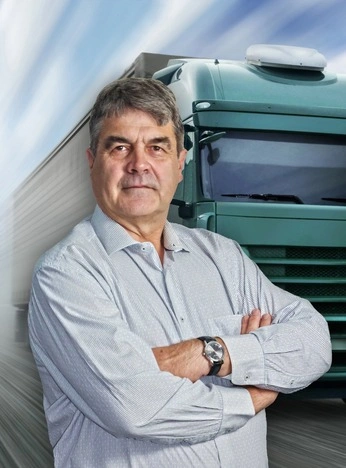
Road freight executive standing beside a passing semi-truck

The Road Freight Association (RFA) acknowledges the fuel price adjustments effective 3 June 2026. While the reduction in diesel prices — approximately R3.25/l for 0.05% sulphur diesel and R2.62/l for 0.005% sulphur diesel — is a welcome, if partial, reprieve for long-haul freight operators, the RFA notes with concern that petrol prices have increased by R1.43/l across both 93 and 95 octane grades. Taken together, this is a mixed announcement that deserves closer scrutiny.

Diesel is the lifeblood of the road freight sector, accounting for between 30% and 50% of a typical operator’s total cost base. The diesel decrease will provide some relief to operators of heavy commercial vehicles, who have absorbed elevated fuel costs over recent months. However, the petrol increase will be felt across lighter commercial fleets, company vehicles, and — critically — by employees whose commuting costs directly influence wage expectations. When household budgets are under pressure from rising petrol prices, the knock-on effects on consumer spending and freight demand are real.

The RFA urges caution on the headline diesel saving, as two structural factors significantly dilute the benefit. The slate levy — a surcharge applied to recover the R18.28 billion cumulative under-recovery in the fuel pricing system — has increased by R0.35/l to R1.58/l, absorbing a meaningful portion of the international price reduction. Additionally, the general fuel levy relief is being halved to R1.96/l for diesel in June, with full removal expected from July. Together, these factors mean the net benefit to operators – and therefore the reduction on fiscal pressures through the greater economy – is considerably smaller than it first appears.

More broadly, the road freight industry continues to navigate a challenging operating environment. Poor road infrastructure, rising toll costs, skills shortages, and currency volatility all compound the fuel pricing challenge. South Africa’s logistics competitiveness — and the cost of living for ordinary citizens — depends on a stable, predictable, and equitable fuel pricing framework.

The RFA calls on the Department of Mineral and Petroleum Resources and National Treasury to address the growing slate deficit with a credible long-term plan, to manage the withdrawal of fuel levy relief in a structured manner, and to pursue reforms that reduce the sector’s vulnerability to external price shocks.

By Gavin Kelly, CEO of the Road Freight Association

Continue Reading

Trending