
Press Releases
FNB and Wesbank Renew On The Road Partnership as Road Freight Podcast Surges Past 300,000 Views and 7,000 Youtube Subscribers


Second-year sponsorship comes as the platform reaches 2 million TikTok views and expands its influence among South Africa’s road freight SMMEs
FNB and WesBank have renewed their sponsorship of the On The Road Podcast for a second consecutive year, backing the continued growth of one of South Africa’s most distinctive platforms dedicated to the road freight and transport SMME sector.
Hosted by Florence Musundwa, Convenor of the Road Freight SME Summit, On The Road has grown from a specialist industry podcast into a platform giving voice to the entrepreneurs, fleet owners, drivers and businesses that keep South Africa’s freight economy moving.

Florence Musundwa
The sponsorship renewal comes as the podcast reaches a significant new audience milestone, with more than 7,100 YouTube subscribers, past 300,000 YouTube views, more than 30,000 TikTok followers and 2 million TikTok views.
When the podcast entered its first sponsored year, it had approximately 800 YouTube subscribers and 2,700 TikTok followers.
The latest figures demonstrate not only audience growth, but a growing appetite for industry specific conversations that speak directly to the realities of running a transport business in South Africa and across the region.
In the 28 days to 5 October 2026, the YouTube channel recorded more than 18,500 views and approximately 1,600 hours of watch time, with nearly 58% of viewers not yet subscribed to the channel, indicating that On The Road continues to attract new audiences beyond its established community.
A Platform for the People Behind the Freight Economy
“Road freight is fundamental to the movement of goods across South Africa and the wider Southern African region, yet the experiences of the small and emerging operators who form an important part of the industry are often absent from mainstream business conversations,” explains Musundwa. “On The Road was created to change that.”
The podcast provides a platform where transport entrepreneurs can have candid conversations about cash flow, pricing, access to finance, fuel costs, fleet management, procurement, market access, regulation, cross border opportunities and the realities of building a sustainable transport business.
Its audience includes truck owners, drivers, fleet managers and other stakeholders across the road freight ecosystem. Approximately 65% of YouTube viewers are based in South Africa, with audiences also watching from Botswana, Zambia, Namibia and Kenya.
Why FNB and Wesbank are Returning
The renewal reflects a strong strategic alignment between the issues explored on On The Road and the financial and operational realities facing transport businesses.
Transport operators operate in an environment where fuel costs, fleet costs, working capital and effective fleet management can directly determine profitability and business sustainability.
FNB Fleet Services, offered and serviced by WesBank, provides solutions designed to help operators manage these pressures, including the Auto Card, which enables secure payment for fuel, oil, tolls, repairs and maintenance, as well as Fleet Online, which provides fleet owners with information to manage and monitor fleet costs.
The decision to continue the partnership reflects the value of meeting transport entrepreneurs where they are: in an environment where practical information, access to the right financial tools and informed conversations can make a material difference to business outcomes.
From Industry Challenges to Industry Opportunities
One of the defining characteristics of On The Road is its willingness to tackle difficult conversations rather than simply celebrate success stories.
Through its flagship The Reality series, the podcast has explored issues including:
- Rising fuel prices and their impact on transporters
- Cash flow, pricing and financing in trucking businesses
- Fleet management and profitability
- Procurement, public procurement reform and corruption
- The rule of law in road freight and illegal truck drivers
- Cross-border trade between South Africa and Botswana
- Rail reform and its implications for road freight
- Last mile delivery and opportunities for small courier businesses
Guests have included Gavin Kelly (The Road Freight Association), Lebo Letsoalo (African Women in Supply Chain Association and Sincpoint), Gary Marshall (SA Express Parcel Association (SAEPA), Kamogelo Mampane (Supply Chain Council SA), Jonathan Mphake, Joshua Kadish, Mesela Nhlapo (Africa Rail Industries Association), Rogers Rasetapa and Khaya Mahlangu, Oliver Naidoo (JA Auditors), Thabo Moodie (Oricred), Reneiloe Semenya (Maysene Logistics), Malesela Tloana (Alter Clique Energy) and Tshepo Mokoa (Brima Investments), alongside transport business owners who have shared candid stories of setbacks, resilience and recovery.
Building a Stronger SMME Voice in Road Freight
For Musundwa, the growth of On The Road demonstrates the need for platforms that do more than report on the transport sector. “I started On The Road because the people who keep this country moving needed a platform where they could have honest conversations about what it really takes to build and run a transport business. The response has shown us that the industry was waiting for this conversation.”
“For me, the significance of FNB and WesBank returning for a second year goes beyond sponsorship. It demonstrates that there is value in investing in platforms that understand the lived realities of entrepreneurs and create access to information, ideas and conversations that can help businesses grow.”
Musundwa believes the future of industry engagement will increasingly be shaped by platforms that allow audiences to access depth, expertise and authentic conversations on demand.
“Podcasts are becoming an important way for industries to talk to themselves. They allow people to hear from the people doing the work, understand different perspectives and access conversations when and where it suits them. We are building On The Road to become a platform that not only reflects the industry, but contributes to how the industry thinks about its future.”
Looking Ahead
The renewed partnership comes as On The Road enters its next phase of growth, with the platform continuing to expand its content across YouTube and TikTok and deepen its focus on the issues affecting transport entrepreneurs.
The ambition is clear: to build a platform that connects industry knowledge, entrepreneurial experience, financial education and market opportunity while creating a stronger and more informed voice for road freight SMMEs.
New episodes of On The Road Podcast are available on YouTube and TikTok.
Materials Handling
US Moves to Remove South Africa from AGOA, Raising Concerns for Export Supply Chains

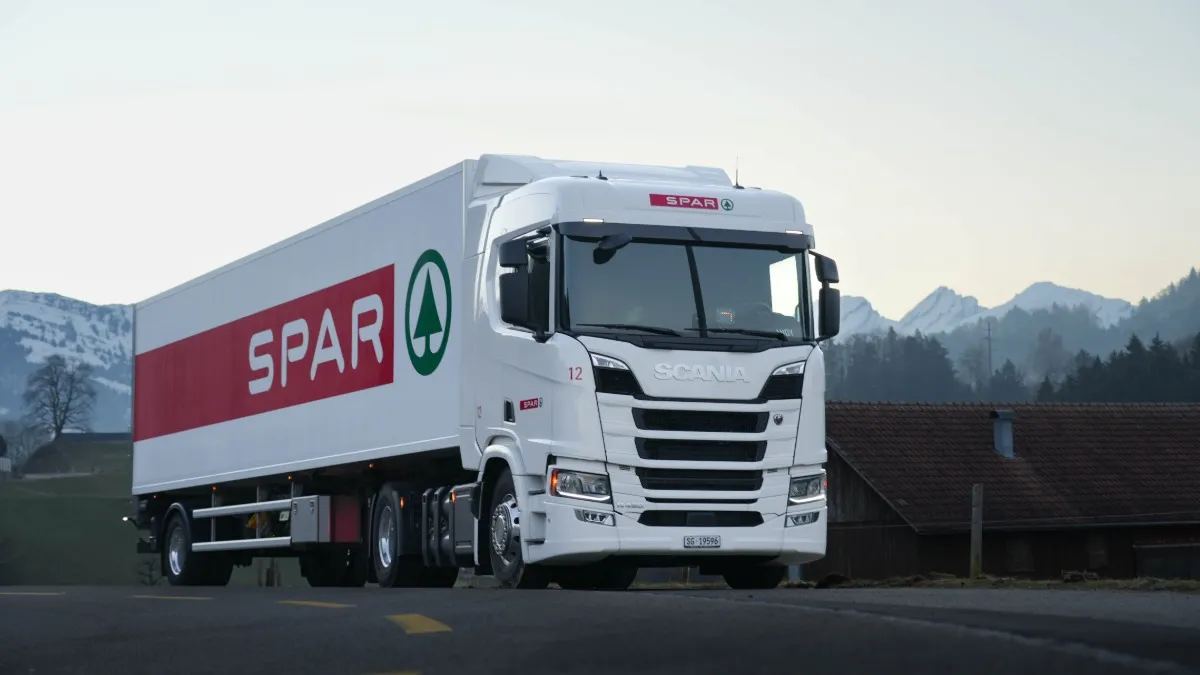
As fuel prices place growing pressure on South Africa’s supply chains, SPAR highlights the importance of efficient distribution, energy management and reliable access to everyday essentials.
Rising fuel prices are placing additional pressure on South Africa’s grocery supply chains, increasing the cost of moving products from suppliers to distribution centres and ultimately to supermarket shelves. For retailers, the challenge is balancing these pressures with the need to maintain product availability, quality and value for consumers.
According to the Road Freight Association (RFA), fuel accounts for between 35% and 55% of road transport operators’ operating costs, depending on vehicle type, route and operating conditions. Sustained increases therefore have implications beyond the transport sector, affecting businesses and consumers across the value chain.
“Every product on a supermarket shelf has a journey behind it. When fuel costs rise, the impact extends beyond the trucks transporting goods. It reinforces the importance of how efficiently we manage our entire distribution network, from vehicle fuel consumptions, route management and vehicle utilizations and order planning to maintaining reliable deliveries to stores,” says Arno Haigh, National Logistics Executive at The SPAR Group.
“While we cannot control external cost pressures, we can focus on improving operational efficiencies and ensuring that our distribution network continues to support retailers and the communities they serve.”
Managing Costs Beyond the Road
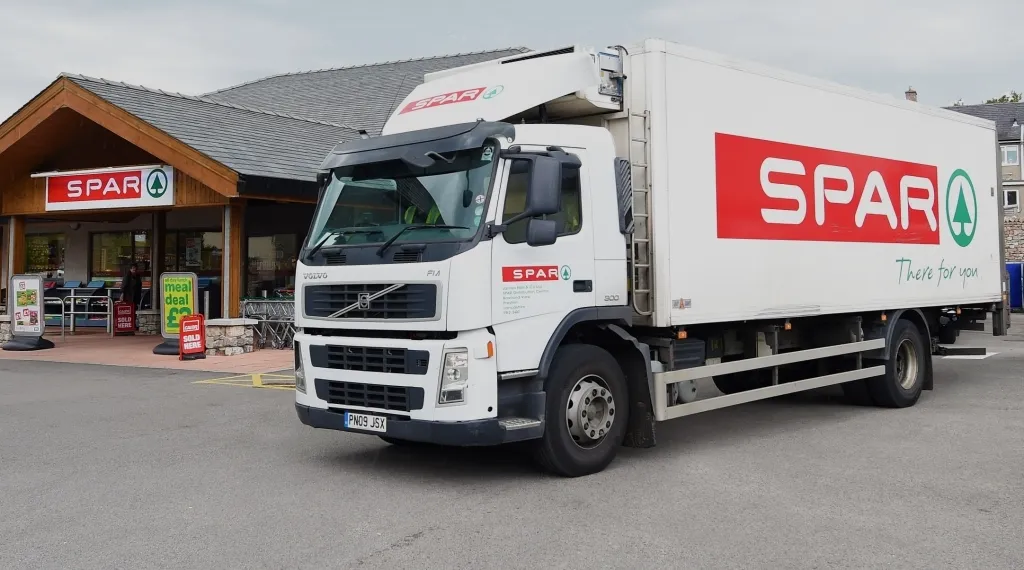
At SPAR, managing supply-chain costs extends beyond transportation. Energy resources, distribution infrastructure and operational resilience also play an important role in maintaining an efficient supply network.
As part of its ongoing investment in energy efficiency, SPAR has installed solar plants at all six of its South African distribution centres. The programme began at the South Rand distribution centre in 2017 and has since expanded across the network peaking over 10MW.
These investments help reduce reliance on grid electricity, manage energy costs and strengthen operational resilience.
However, efficiency is not only about managing costs. It also means ensuring that products reach stores in good condition, minimising avoidable food losses and maintaining reliable supply, particularly for fresh and perishable goods that require effective cold-chain management.
Reducing Food Loss Protects Value
Food loss remains an important consideration in the grocery supply chain. When products are damaged, spoil or become unsaleable before reaching consumers, the resources invested in producing, storing and transporting them are also lost.
Reducing these avoidable losses can improve operational efficiency, protect product availability and help limit unnecessary costs across the value chain.
For SPAR, reliable distribution and effective stock management are therefore central to supporting its network of independently owned stores and ensuring that retailers can continue meeting customer needs.
Connecting Communities to Essential Groceries
The final stage of the supply chain is equally important. Access to affordable groceries depends not only on the cost of transporting products but also on the availability of well-replenished stores within communities.
SPAR’s network of neighbourhood retailers, including stores serving rural, township and peri-urban communities, plays an important role in connecting households to essential groceries.
Maintaining reliable deliveries across these diverse locations requires effective distribution planning, particularly where distances, road infrastructure and operating conditions present additional challenges.
A dependable supply network helps retailers maintain stock availability while reducing the need for consumers to travel longer distances in search of everyday essentials.
Balancing Rising Costs With Consumer Value
The latest Statistics South Africa Consumer Price Index shows that annual transport inflation reached 10.8% in September 2026, with fuel inflation at 27.9%, compared with food and non-alcoholic beverage inflation of 1.2%.
While higher fuel prices do not automatically translate into equivalent increases in grocery prices, they add pressure across the supply chain. The extent of that impact depends on several factors, including supplier costs, transport strategy and the ability of businesses to manage operational efficiencies.
“As we mark Transport Month, the focus should not only be on the rising cost of moving goods, but also on how we make supply chains more efficient and resilient. For SPAR, that means continuously looking at ways to manage costs, reduce avoidable risks and support reliable distribution to our retailers,” concludes Haigh.
“Ultimately, an efficient supply chain is about more than moving products. It is about helping ensure that communities have reliable access to the groceries they need.”

AGOA Loss is a Direct Hit On Western Cape Exporters, Warns EWC

US Moves to Remove South Africa from AGOA, Raising Concerns for Export Supply Chains

South Africa Advances Freight Logistics Reforms as Transnet Returns to Profit


-

 Management4 months ago
SEO, AEO, GEO and SEO for AI: What Is the Difference for the Supply Chain Industry?
-

 Transport5 months ago
LDV T60 Max vs GWM P500 vs Isuzu D-Max vs Toyota Hilux vs Ford Ranger: Which Double-Cab Bakkie Offers the Best Value?
-

 Logistics4 months ago
Top 5 Warehousing and Logistics Companies in the Western Cape by Google Review Rating
-

 Logistics5 months ago
DHL Group to invest around € 160 million in 2026-2027 to strengthen logistics infrastructure and support clean energy transition in France
-

 Freight Forwarding5 months ago
The Hidden Cost of Shipping from China to South Africa — What Every SA Importer Needs to Know in 2026
-

 Logistics5 months ago
Top 10 Warehousing and Logistics Companies in Gauteng by Google Review Rating
-

 Logistics5 months ago
DHL Expands Asia Pacific Data Center Logistics Capabilities to Support Growing Regional Demand
-

 Logistics4 months ago
Top 4 Lift Truck Companies in Gauteng