
Logistics
Why Every Degree Matters in Cold Chain Logistics


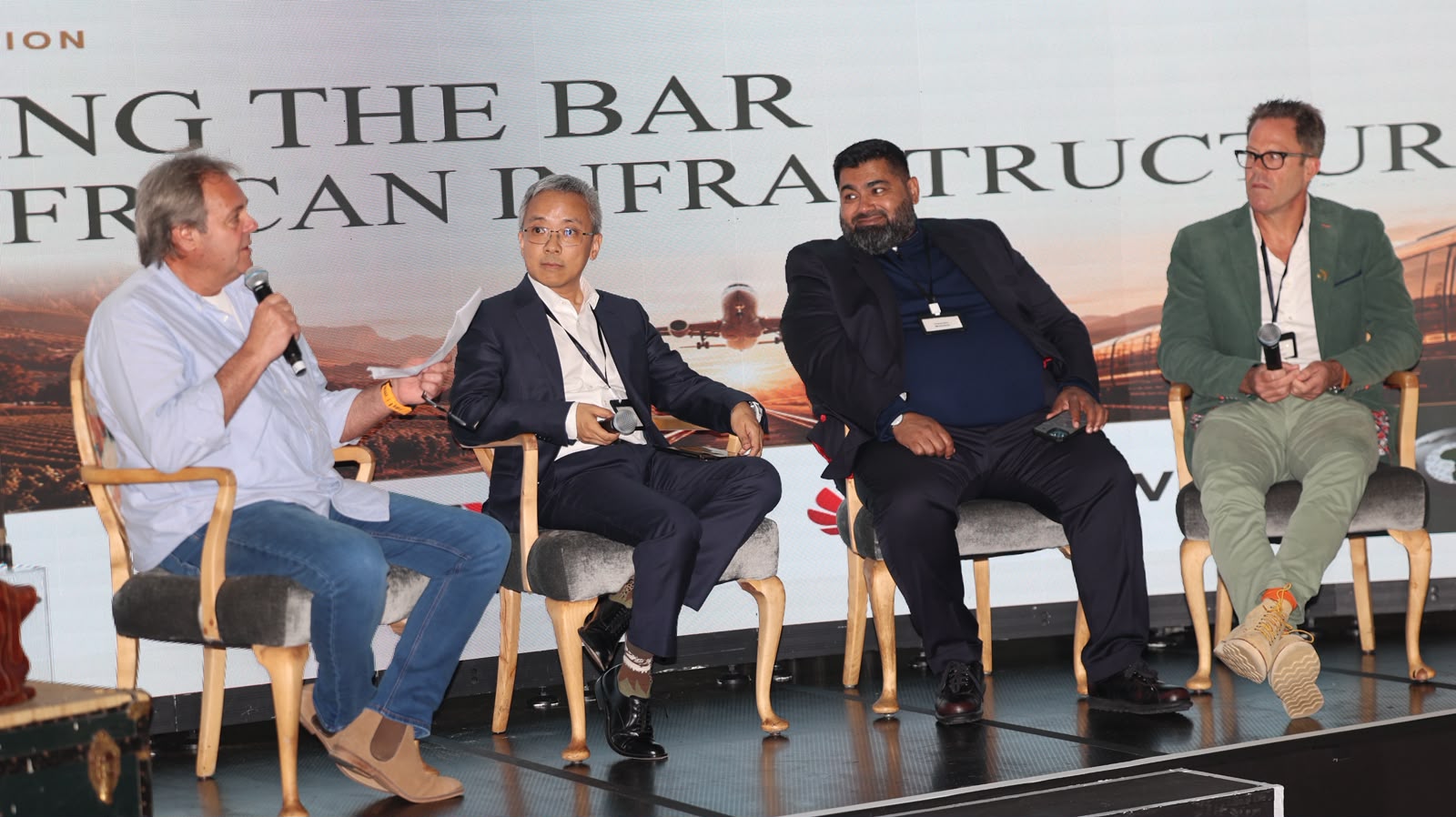
Smarter infrastructure, better connected transport systems and airport experiences that reflect African creativity were at the centre of Runway to Railway: Project Maverick, held at the Vineyard Hotel in Cape Town on 22 October 2026. The gathering brought aviation, technology and creative perspectives into a discussion about how innovation can improve infrastructure and the experience of the people who use it.
Held under the theme Simply Connect Africa, the event forms part of the Runway to Railway vision conceived by Anna K Hecart, founder and director of Connected Group. The platform brings different sectors together to explore connections between infrastructure, business and opportunity across the continent.
Raising the Bar for African Infrastructure. Panel participants: Dirk Ackerman, moderator; Nicholas Ferguson, Executive Managing Director, RSA Aero; Hasnain Motlekar, Acting Chief Executive Officer, BCX; and York Ning, Director, ICT Marketing & Solution Sales Department, Huawei South Africa.
“Runway to Railway began with a belief that Africa’s progress depends on the connections we make between people, industries and ideas,” said Hecart. “We are pleased to announce the Runway to Railway Expo for November 2027. Our ambition is to bring the people shaping transport, infrastructure and technology together with investors and creative businesses to explore practical solutions and build partnerships that move Africa forward.”
The Expo is being developed as a meeting place for aviation, rail, logistics, infrastructure, technology, tourism and design professionals, alongside investors and public-sector stakeholders. Partners can expect opportunities to showcase their capabilities and connect with potential collaborators. Attendees can look forward to discovering innovations, exchanging ideas and exploring how better connected infrastructure can support African business and communities.

Anna K Hecart, Founder and Director of Connected Group and visionary behind Runway to Railway, addresses the gathering.
The infrastructure conversation brought the airport development perspective together with the technology expertise of BCX and Huawei. It considered how closer collaboration can support better passenger experiences, reliable operations and the practical delivery of connected infrastructure.
“The decisions that shape a passenger’s journey are made across many different organisations,” said Ackerman. “Bringing developers, operators and technology partners together early helps us see how those decisions fit together and where collaboration can make infrastructure work better.”
“An airport is part of a much wider economic network,” said Ferguson. “Its development needs to consider how people arrive, how businesses connect and how the surrounding region benefits. Innovation should support that wider purpose while making the everyday experience more efficient and welcoming.”
“The value of connected infrastructure lies in what it enables people and businesses to do,” said Motlekar. “Reliable networks, secure systems and useful information need to work together. Planning these capabilities from the outset helps organisations improve services and respond as demand changes.”
Gavin Rajah delivered the closing remarks, extending the conversation to the quality and character of retail experiences at African airports. He highlighted the opportunity to bring greater creativity and a stronger expression of African identity into spaces that shape travellers’ first and last impressions of a destination.
“An African airport should give travellers a real sense of place,” said Rajah. “Our retail spaces can do far more to showcase the continent’s design, fashion, food and craft. We have the talent and the stories. The opportunity is to present them with imagination and the quality they deserve, while creating space for African creative businesses to grow.”

Gavin Rajah, closing speaker, addresses creativity and African identity in the airport experience.
Event photographs
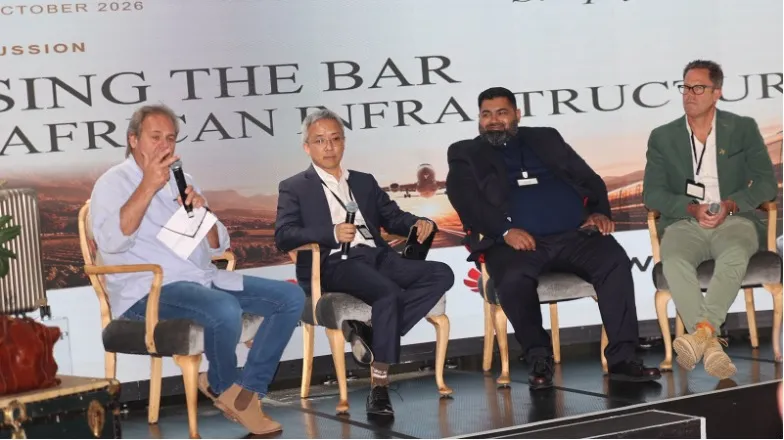
The Raising the Bar for African Infrastructure panel at Runway to Railway: Project Maverick.
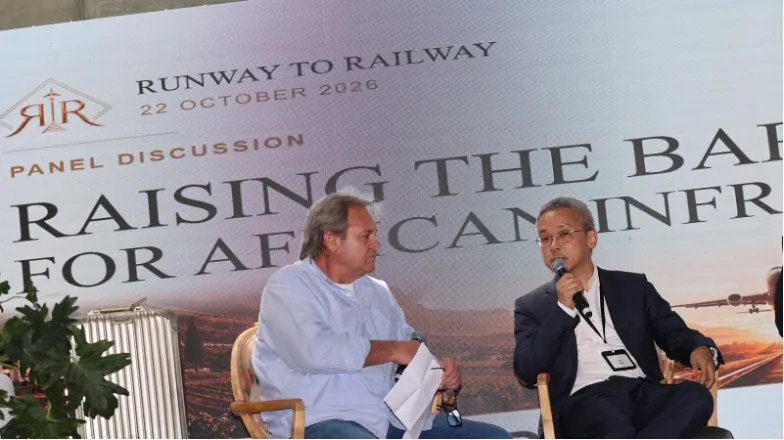
An exchange during the infrastructure panel discussion.

A panellist contributes to the infrastructure discussion.

An on-stage presentation during Runway to Railway: Project Maverick.

Guests exchange ideas during the luncheon at the Vineyard Hotel.

Guests follow the programme at Runway to Railway: Project Maverick.

Guests seated during the event programme.

A guest listens during the luncheon.

Guests in conversation during the event.

Networking at Runway to Railway: Project Maverick.

Guests gather for a photograph at the Vineyard Hotel.

Guests connect outside the event venue.
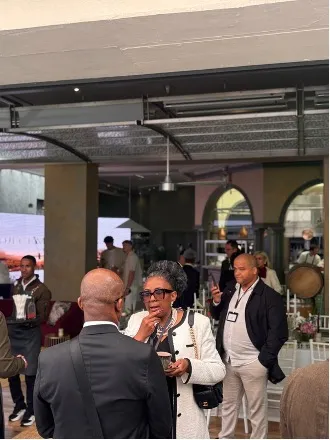
Conversations continue between programme sessions.

A conversation during the event reception.

A conversation at Runway to Railway: Project Maverick.
*All photographs featured in this article were captured by: Elvis Nyelenzi
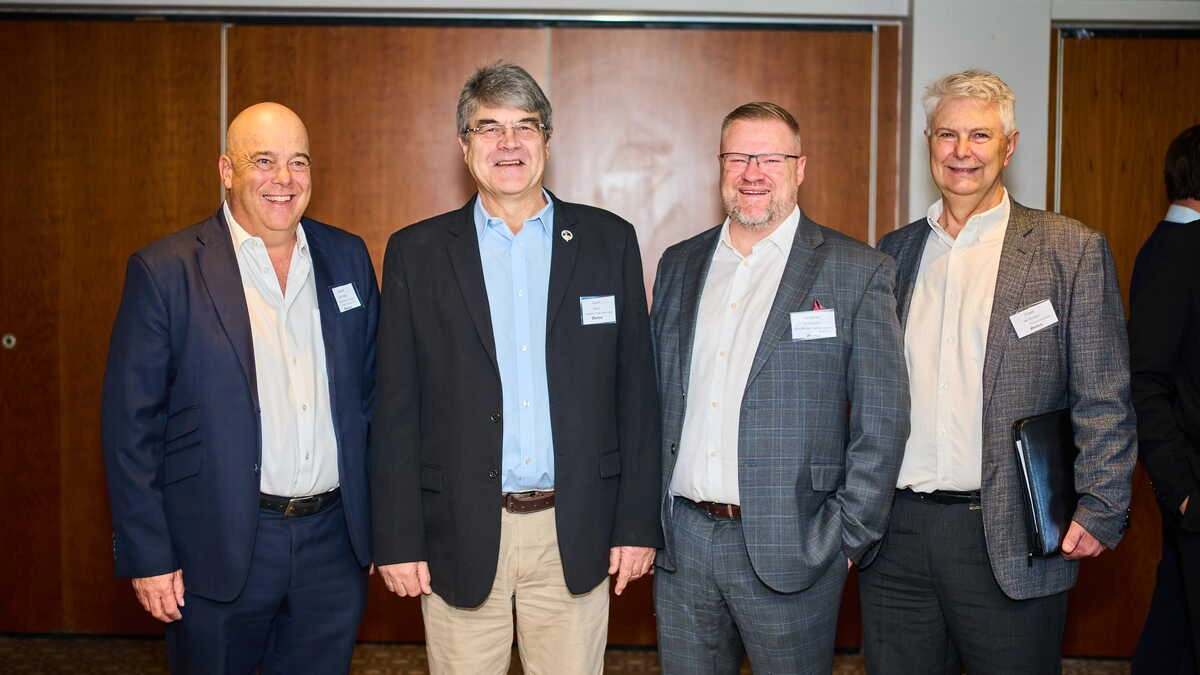
The South African Freight and Logistics Association (SAFLA) has launched its Gauteng region, appointing Eric Pillay as regional chairperson and placing stakeholder engagement, border delays and port bottlenecks at the centre of its agenda.
Pillay, owner of Pro-Active Shipping & Freight Solutions, will lead the region’s efforts to strengthen industry representation and improve engagement with the organisations that influence cargo movement. “We work closely with SAFLA nationally to ensure that our issues are addressed,” Pillay stated, outlining how the Gauteng chapter will connect regional concerns with SAFLA’s countrywide advocacy and engagement.
The official launch breakfast at the Johannesburg Country Club in Woodmead, brought together freight and logistics colleagues and key stakeholders to mark the establishment of a regional platform supported by SAFLA’s national structures.
A Collective Voice for Gauteng
Pillay said the chapter responds to clearing and forwarding companies’ need for a collective voice in their dealings with organisations such as the Border Management Authority and other state-owned enterprises and shipping lines. Its first-year priorities centre on improving stakeholder relationships to boost trade and support regional growth, with border and port delays receiving immediate attention.
Pillay’s longer-term vision focuses on stronger partnerships and efficient cargo movement across Gauteng’s supply chains. “Transport is key to keeping the economy going and I would like to see increased cargo volumes moving efficiently, freely and safely.”
SAFLA Gauteng welcomes companies operating in clearing, forwarding and transport in Gauteng. Smaller and emerging operators can use its platform to raise concerns and access support in navigating industry challenges.
Regional Action Supporting National Reform
SAFLA chair Arend du Preez highlighted the association’s commitment to strengthening regional representation within a unified national framework. “By strengthening our regional representation, we ensure that local concerns are heard, local expertise is utilised, and local solutions can be developed while still benefiting from national support and coordination,” du Preez explained.
He emphasised constructive engagement between industry participants to identify the causes of disruption and resolve operational pressure points. “At the end of the day, our objective remains simple,” he said. “Cargo must move.”
Economic Regulation, Fair Access and Transparent Pricing Highlighted
Guest speaker Ian Bird, Transport & Logistics Focal Area Lead at Business for South Africa, addressed the business-government partnership and progress on logistics reforms, placing the regional launch within the broader effort to improve South Africa’s freight system.
Bird’s presentation highlighted the importance of effective economic regulation, fair access and transparent pricing in encouraging investment. “Effective regulation builds confidence and unlocks investment,” Bird highlighted in his presentation.
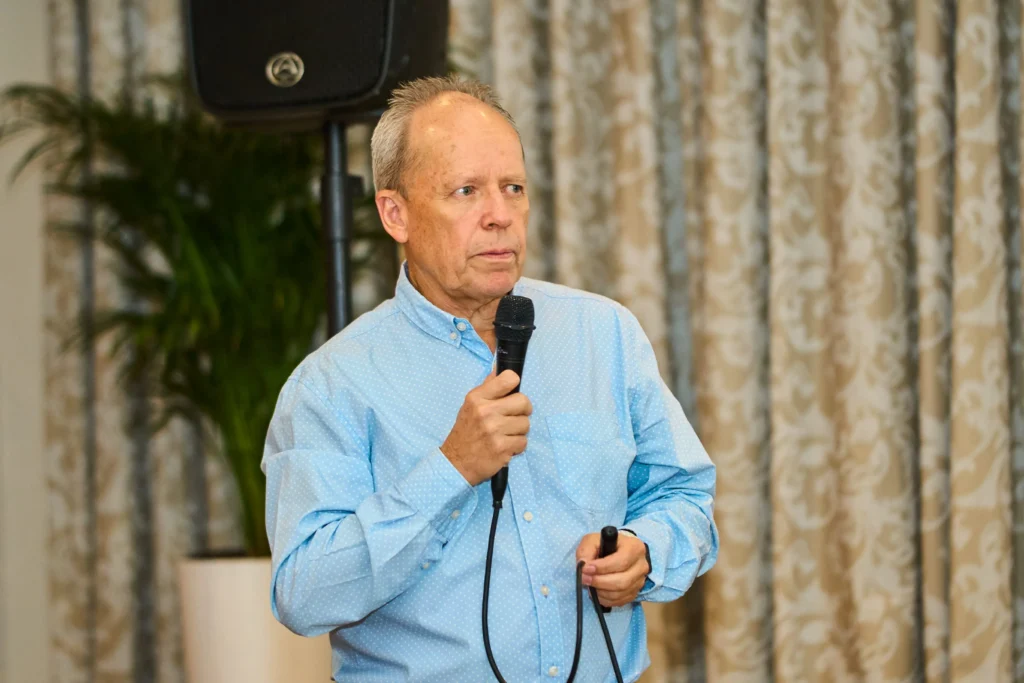
Ian Bird: Transport & Logistics Focal Area Lead – Business for South Africa
He also stressed that to deliver the freight volumes so urgently needed by the economy will require both improving the rail network for Transnet and private Train Operating Companies, as well as implementing a comprehensive program of structural reform. The growth in rail volumes will be driven by general freight, which by it’s very nature requires more complex supply chains being developed, operated and managed.
For SAFLA Gauteng, these national priorities reinforce the value of sustained regional engagement with supply chain stakeholders and coordinated escalation of members’ concerns.
SAFLA’s Gauteng chapter aims to help remove bottlenecks, reduce the costs associated with delayed cargo and support trade competitiveness through practical collaboration. Members can also raise local operational issues through SAFLA’s national structures.
Commenting on the launch, Road Freight Association (RFA) CEO Gavin Kelly said the RFA’s MoU with SAFLA means a “stronger, more coordinated industry voice,” while Warwick Lord, chairperson of the Multimodal Inland Port Association (MIPA), added that MIPA “looks forward to working with the association for the benefit of its members and the industry.” Paul Matthew, CEO of the African Meat Importers and Exporters Association added: “Importers and exporters depend on efficient, well-represented freight forwarders. We are proud to partner with SAFLA”.

Warwick Lord: Chairperson – Multimodal Inland Port Association (MIPA)
“It means a great deal to me to be part of SAFLA,” continued Pillay. “The industry has been longing for a voice to air their issues and now we have it.”

Eric Pillay: Owner – Pro-Active Shipping & Freight Solutions

Paul Matthew: CEO – African Meat Importers and Exporters Association


Runway to Railway Puts Innovation and African Identity at the Heart of Infrastructure

AGOA is Back – But Can Africa Manufacture Its Way Into the Opportunity?

Bakers SA Limited Invests in Next-Generation Electric Fleet with 67 New Serco Bodies


-

 Management4 months ago
SEO, AEO, GEO and SEO for AI: What Is the Difference for the Supply Chain Industry?
-

 Transport4 months ago
LDV T60 Max vs GWM P500 vs Isuzu D-Max vs Toyota Hilux vs Ford Ranger: Which Double-Cab Bakkie Offers the Best Value?
-

 Logistics5 months ago
DHL Group to invest around € 160 million in 2026-2027 to strengthen logistics infrastructure and support clean energy transition in France
-

 Logistics4 months ago
Top 5 Warehousing and Logistics Companies in the Western Cape by Google Review Rating
-

 Logistics5 months ago
DHL Expands Asia Pacific Data Center Logistics Capabilities to Support Growing Regional Demand
-

 Logistics5 months ago
Top 10 Warehousing and Logistics Companies in Gauteng by Google Review Rating
-

 Freight Forwarding5 months ago
The Hidden Cost of Shipping from China to South Africa — What Every SA Importer Needs to Know in 2026
-

 Logistics4 months ago
Top 4 Lift Truck Companies in Gauteng