Connect with us

Press Releases

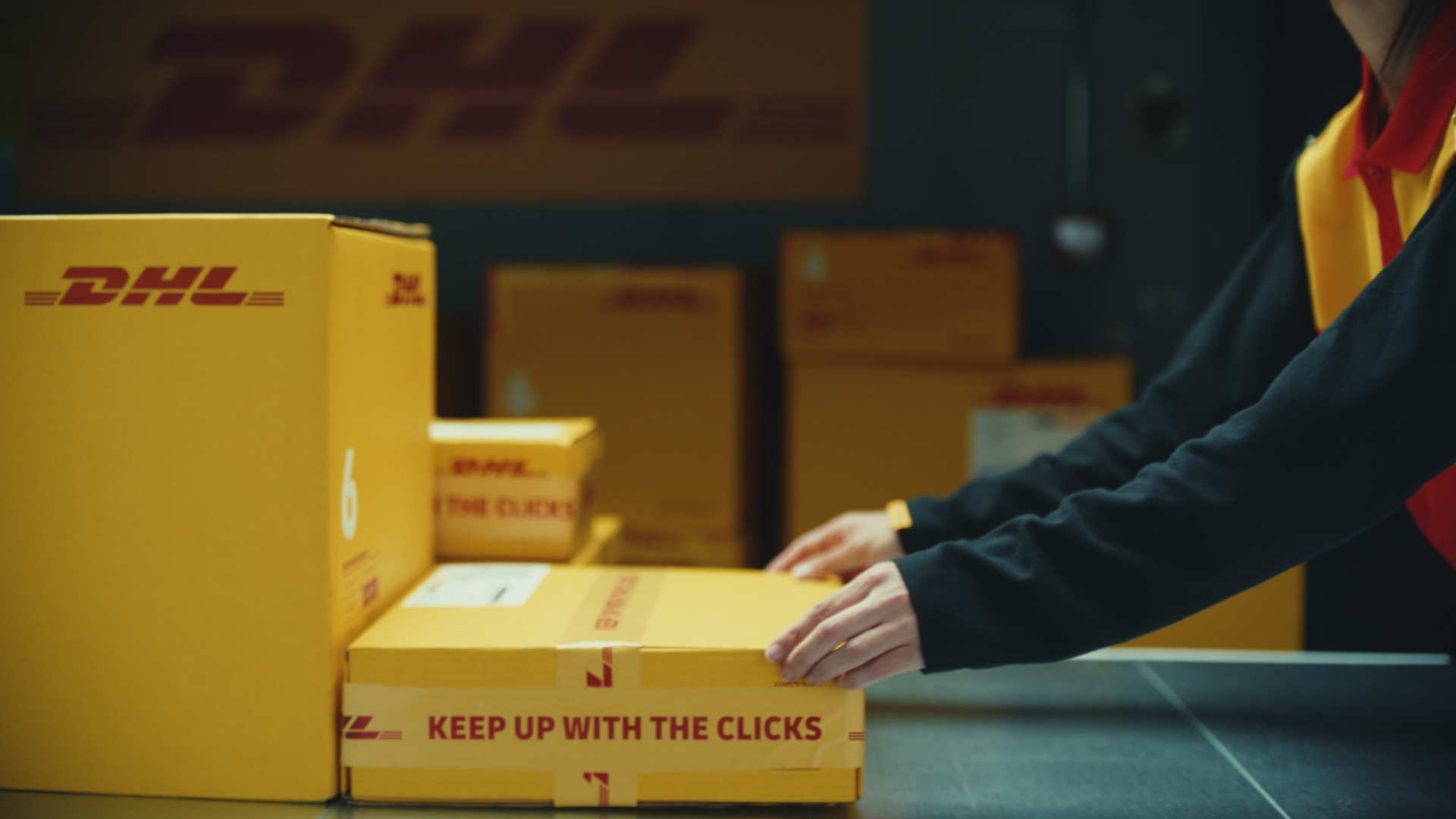
DHL highlights its expertise in e-commerce with global brand campaign

Published

on

E-commerce trade has become increasingly established and an important area of economic growth over the last decades.

  • Campaign shows how e-commerce is core to global trade and growing enormously 
  • DHL “helps merchants keep up with the clicks”
  • Brand campaign is played in 30+ countries

Bonn – Deutsche Post DHL Group launches a global brand campaign to strengthen its position as the leader in e-commerce. The leading most international logistics provider supports not only by providing reliable delivery in the growing e-commerce industry, but also by advising companies on how to make their business as successful as possible online. E-commerce trade has become increasingly established and an important area of economic growth over the last decades. This development has been greatly amplified by the pandemic and companies of all shapes and sizes need to be able to cope with the ever-growing digitally driven demand. The global logistics provider with years of experience in e-commerce and the associated logistics processes will “help its customers keep up with the clicks”.

“The pandemic has driven digitalization so far that we have seen the development of almost a decade in just a few months. Existing online shops have grown and at the same time, companies have entered online retailing for the first time. As logistics experts, we can help companies keep up with the growth and benefit from it in the best possible way. In addition, we can help any brand to be a global brand tomorrow. Especially offering express delivery is beneficial for fast-moving e-commerce and can increase consumer buying activity and consumer loyalty”, says John Pearson, CEO of DHL Express.

E-commerce is not only part of DHL’s corporate business strategy, but more importantly, it has become a key core growth factor to global trade. DHL can offer the necessary speed of delivery with DHL Express, which operates in over 220 countries and territories, but also advises companies on their online presence, e.g. on improving the website presence with a website health check. DHL has dealt extensively with the growth of e-commerce in its white paper “The Ultimate B2B E-commerce Guide: Tradition is out. Digital is in.” which also elaborates on the advantages and opportunities of a growing e-commerce sector for B2B sales.

The campaign includes an unusually produced TV spot that attracts attention by using mixed-media techniques which create visual intrigue in combination with a unique voice-over of British actor Tom Hollander – well known for his role in Pirates of the Caribbean – , explaining in a rhyme-like rhythm how e-commerce has grown rapidly over the last few years. It tells the story of online shopping, from the early days when it was still easy as a retailer and logistics provider to keep track of and meet demand, and how online shopping then became more established an almost routine part of our lives. The message is that DHL can help businesses deal with the high demand and “keep up with the clicks”. In addition to the TV spot, the campaign will be aired in 30+ countries across digital channels, both in the form of digital banners and video as well as print ads.  The creative concept was developed by DHLs creative lead agency 180Amsterdam.

Continue Reading

Logistics

Building Supply Chain Resilience When Weather Disrupts the Network.

Published

on

Aerial shot of a blue delivery van driving in a heavy storm.

Heavy rain, dense fog, flooding and icy conditions can affect roads, routes and delivery schedules with little warning. For businesses, the consequences can move quickly beyond a delayed parcel. Inventory can be stranded, customer commitments can be missed, production schedules can be disrupted and revenue can be put under pressure.

In South Africa, disruption is often localised. Rain in the Western Cape, fog in parts of Gauteng and Mpumalanga, or hazardous conditions on inland routes may affect one part of a network while operations elsewhere continue. In a connected network, however, a local disruption can create a wider ripple effect when shipments, inventory and delivery commitments depend on connected routes.

For FedEx, resilience is therefore not about trying to eliminate disruption. It is about having enough visibility to see risk early, enough flexibility to adjust the plan and the operational capability to respond before a local problem becomes a wider business issue.

“Weather can add another layer of complexity to logistics operations, especially when poor visibility, road closures or changing conditions affect planned routes,” says Nelson Teixeira, Managing Director of Operations for Sub-Saharan Africa at FedEx. “Businesses that understand where their risks are and have contingency plans in place are in a stronger position to adjust when needed and communicate proactively with customers.”
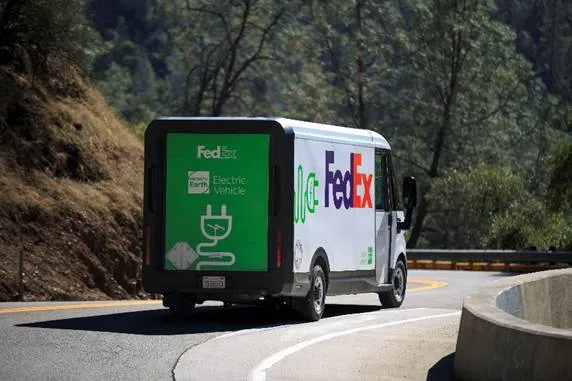
FedEx transport van travelling through the country side.

Prepare for Disruption

The strongest response to a weather event often begins before the weather arrives. Businesses should know which shipments, routes and inventory positions are most critical to continuity. That can mean identifying alternative routes, allowing appropriate contingency in time-sensitive deliveries, reviewing where critical inventory is held, and establishing clear priorities for shipments that cannot afford extended delays.

This is where the relationship with a logistics provider matters. A resilient network is not simply a collection of transport options; it is the ability to use those options when circumstances change.

For businesses moving urgent or export-bound goods, flexibility can also mean having access to services designed around time-sensitive international movement. FedEx International Priority® is a time-definite, customs-cleared international service available to more than 220 countries and territories, with shipment tracking included. The value during disruption is not simply speed; it is having a defined service option when timing is central to a customer or commercial commitment. Availability and transit times vary by origin, destination and shipment.

See Risk Earlier

Preparation creates flexibility. Visibility helps businesses know when to act.

“Good visibility gives businesses more options,” says Teixeira. “If you know where a shipment is and can see where delays may be developing, you have a better chance of responding early. That might mean adjusting a plan, preparing for a revised delivery time or simply giving a customer an update before they have to ask.”

FedEx offers a range of visibility, monitoring and intervention capabilities designed to support critical shipments. For selected shipments, FedEx Priority Alert® provides enhanced shipment status tracking and operational recovery procedures. For temperature-sensitive shipments, Priority Alert Plus™ adds proactive intervention capabilities, including re-icing, gel-pack replenishment and cold storage. These services are designed to give critical shipments additional oversight when conditions become more challenging.

Respond with Agility

Once disruption is developing, the advantage comes from being able to act before every option has narrowed. A route may need to change or a customer may need a revised expectation. Inventory or receiving teams may need to prepare for a different arrival time. The earlier businesses can identify the risk and assess their options, the more opportunity they have to mitigate its impact.


This is particularly relevant in South Africa, where disruption in one corridor can have consequences across a connected network. The ability to recognise and absorb that disruption quickly therefore becomes critical.

For businesses, communication is part of that response. Customers may accept that weather is outside a company’s control, but uncertainty is harder to manage. Realistic, revised timelines and proactive updates give customers something they can plan around.

“Reliability does not mean that everything will always go exactly according to plan,” says Teixeira. “Sometimes unexpected challenges arise and delays happen. The key is having the right information, coordinating closely and responding in a way that keeps both the business and the customer informed.”

That is the practical meaning of resilience in a logistics network. It is not the promise that disruption will never happen, but the ability to see risk, adapt and reduce the uncertainty surrounding it.

Weather will continue to disrupt routes, close roads and put pressure on delivery networks. Businesses cannot control those conditions, but they can prepare for where disruption matters most and respond while there is still time to act.


That can help protect inventory, business continuity and customer commitments, while maintaining the confidence that customers place in a business when it matters most.

Continue Reading

Press Releases

South Africa’s Green Hydrogen Push Could Build a New Industrial Supply Chain

Published

on

The African continent filled with the South African flag with a backdrop of solar panels and wind turbines.

South Africa’s green hydrogen ambitions are becoming less about producing another energy source and more about building an industrial base around it.

Speaking at the Africa Green Hydrogen Summit in Cape Town, Trade, Industry and Competition Minister Parks Tau said government views green hydrogen as part of a broader industrialisation agenda, alongside sustainable aviation fuel, green chemicals, green shipping fuels, advanced manufacturing and new export industries.

For South Africa’s supply-chain industry, that distinction matters.

The opportunity is not simply to produce hydrogen and send it overseas. It is to develop the infrastructure, manufacturing capacity and supporting industries needed to produce, move and use it.

Building an Industry Around Hydrogen

Green hydrogen does not exist in isolation. Producing it at scale requires renewable energy, specialised equipment, infrastructure and facilities capable of handling the resulting products.

That creates potential demand across a much wider industrial network.

South Africa will need companies that can supply equipment and components, develop and maintain production facilities, provide storage and transportation solutions, and support the conversion of hydrogen into products such as green ammonia and sustainable fuels.

The more of that value chain that can be developed locally, the greater the potential economic impact.

This is central to the government’s stated industrialisation approach. The Department of Trade, Industry and Competition’s green hydrogen strategy positions hydrogen alongside other industries that could help South Africa move further up the value chain and export more value rather than raw resources.

Investment is Beginning to Move

There are already signs that the infrastructure behind the sector is starting to take shape.

Through the Just Energy Transition Investment Plan programme management office at the Industrial Development Corporation, government has identified 24 strategic integrated projects, several of which have already reached the pre-feasibility stage. The projects are backed by €40 million from Germany’s KfW Development Bank.

In August, Climate Fund Managers closed the first R3 billion of the South Africa Green Hydrogen Fund. A further R628 million in grants has also been made available through the European Union’s Global Gateway programme.

Of that funding, R490 million is intended to leverage investment in hydrogen infrastructure, with government projecting that it could mobilise a further R10 billion. Another R138 million is intended to help Transnet green its own operations.

These investments matter because an industrial supply chain cannot develop around projects that remain disconnected from the infrastructure needed to support them.

Six Projects Move the Sector Closer to Implementation

The scale of the opportunity is becoming clearer as government moves its first six priority projects forward.

Announced on 15 September, the first wave covers several parts of the green hydrogen value chain, including sustainable aviation fuel, green ammonia, lower-emissions iron and steel, green methanol and domestic hydrogen demand.

The Phelan Green Group electro-Sustainable Aviation Fuel project in Saldanha Bay has reached a final investment decision after securing an off-take agreement and a $100 million equity commitment. Construction is expected to begin in the first quarter of 2027, with first exports targeted for the first quarter of 2029.

The other five projects are at different stages of development. The Coega Green Ammonia Project has completed early preparatory work but requires further commercial, technical and financing work before reaching a final investment decision. The Saldanha Hydrogen Direct Reduced Iron Project is at pre-feasibility stage, while the Prieska Power Reserve is at development stage.

The Green e-Fuels Producers Green Methanol Corridor is at pre-feasibility stage and is targeting European demand, while Green Hydrogen Solutions, which is focused primarily on South African demand, has completed front-end engineering design.

The significance for supply chains is that these projects extend beyond hydrogen production itself. Government says the wider green hydrogen economy should support industries including fertiliser, green iron and steel, sustainable fuels, equipment, engineering and related services. The full announcement on South Africa’s first six priority green hydrogen projects provides more detail on their respective stages.

That means a successful hydrogen economy could require an entire network of businesses and infrastructure around it.

Coega Could Provide a Glimpse of What Comes Next

One project that illustrates this approach is the Coega Green Ammonia Project, which government has identified as South Africa’s lighthouse green hydrogen project.

Through the Critical Infrastructure Programme Fund, the dtic is supporting Hive Hydrogen in developing the project. Hive Hydrogen has completed financial due diligence, unlocking R12.5 million of an initial R25 million in project-development funding, with a further R25 million funding application expected at financial close.

The importance of projects such as this extends beyond the production facility itself.

A large-scale green ammonia operation requires connections to energy infrastructure, industrial facilities, storage, transport and ultimately domestic or international customers. Each connection creates another part of the supply chain that needs to function effectively.

The Opportunity Goes Beyond Exports

South Africa has significant potential to become an exporter of green hydrogen-related products, but an export strategy on its own would leave much of the potential value outside the country.

The broader industrialisation approach creates another possibility.

Green hydrogen could support the development of industries that manufacture equipment, process raw materials, produce chemicals and fuels, and provide specialised technical and logistics services.

That could create a more complex industrial ecosystem in which companies supply one another rather than simply extracting resources and shipping them elsewhere.

President Cyril Ramaphosa has also called for greater local procurement, manufacturing, employment and skills transfer, arguing that Africa should participate across the hydrogen value chain as an owner, manufacturer, technology partner and producer. His announcement on the first wave of green hydrogen projects sets out the government’s position on local participation in the sector.

Government says South Africa’s industrial transition pathways point to tens of thousands of additional jobs and billions of rand in economic activity over the years ahead. These are projections rather than outcomes, but they highlight the scale of the ambition.

The Supply Chain Will Determine How Much Value Stays Here

Turning that ambition into an industrial reality will require more than funding individual hydrogen projects.

Renewable energy needs to reach production facilities. Equipment needs to be manufactured or imported and delivered. Hydrogen and its derivatives need to be stored and transported. Ports and export infrastructure need to handle new products. Manufacturers need reliable access to energy and inputs, while customers need a dependable route to market.

That makes coordination critical.

South Africa’s green hydrogen opportunity is therefore also a supply-chain opportunity. The country is not simply deciding whether it can produce green hydrogen. It is beginning to build the network of industries and infrastructure that could determine how much value that hydrogen creates before it leaves the country.

The success of the sector may ultimately be measured not by how much hydrogen South Africa produces, but by how much industrial activity develops around it.

Continue Reading

Freight Forwarding

Transnet Reports Progress as Rail Volumes Rise and Freight Reforms Move Forward

Published

on

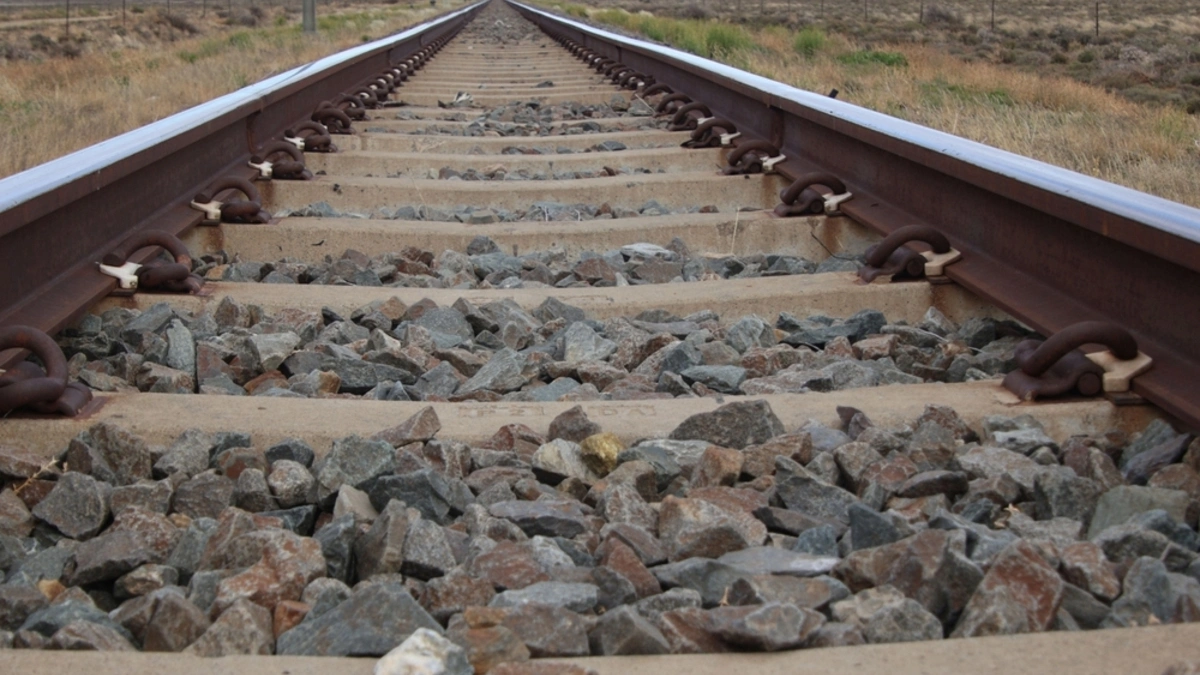
Close up of a railway line through the country side.

Transnet has reported a stronger financial and operational performance for the year ended 31 March 2026, with increased rail volumes, higher revenue and renewed progress on South Africa’s freight logistics reform programme.

In its annual results media statement, released on 10 September, the state-owned freight and logistics company reported revenue of R88.6 billion, a 7.1% increase on the previous year. Transnet also recorded a R4.6 billion profit, compared with a loss of R1.9 billion in the previous financial year.

The results suggest that some of the interventions introduced to improve the reliability of South Africa’s freight network are beginning to produce measurable gains. However, Transnet also acknowledged that significant operational and financial challenges remain.

Rail Volumes Show Signs of Recovery

Rail volumes increased by 4.9% to 167.9 million tonnes during the reporting period. Transnet attributed the improvement to focused interventions aimed at strengthening network reliability, improving maintenance execution and increasing asset availability. Pipeline volumes also increased during the year.

For customers relying on rail to move bulk commodities, minerals, manufactured goods and other freight, improved reliability can have an impact well beyond Transnet’s own results. More dependable rail services can support better production planning, reduce the need for alternative transport arrangements and improve the movement of goods between industrial areas, ports and export markets.

The company said that customers and industry stakeholders had begun to recognise improvements in rail performance and service delivery. It also noted positive feedback from the citrus sector regarding port operations and their contribution to improved export performance.

Despite this progress, Transnet’s operating environment remained difficult. The company identified derailments, rail network and rolling stock constraints, security incidents, equipment and power disruptions, adverse weather, resource shortages, community unrest and customer-related demand challenges among the issues affecting performance. The rail and port businesses were also impacted by R658 million in take-or-pay penalty adjustments.

Reinvent for Growth Remains Central to Recovery

Transnet’s recovery programme continues to be guided by its Reinvent for Growth strategy. The company said the strategy had supported targeted interventions focused on maintenance, asset reliability, operational discipline, technical capability, procurement and supply-chain efficiency.

These measures contributed to higher rail volumes, stronger cash generation and improved customer confidence, according to the statement. The broader objective is to create a more reliable and competitive freight system capable of supporting South Africa’s economic growth.

The challenge now is to ensure that these improvements are sustained. Freight customers require more than occasional operational gains. They need predictable services, consistent turnaround times and the confidence to plan production, inventory and exports around the available network.

Private Investment Changes the Port Landscape

One of the most significant developments during the year was the implementation of Transnet’s Private Sector Participation strategy through the Durban Gateway Terminal transaction.

Transnet disposed of a 49.999% interest in Durban Gateway Terminal to International Container Terminal Services Inc. (ICTSI) for R10.5 billion, with the transaction taking effect on 1 January 2026. The deal generated a reported profit on disposal of R12.5 billion, including a related fair-value adjustment.

Transnet retains a 50.001% shareholding in the terminal, while management control has transferred to ICTSI. The company described the transaction as an important step towards attracting private investment, improving operational performance and supporting the modernisation of South Africa’s port infrastructure.

The transaction also reflects a wider shift in the way the country is approaching freight logistics reform. Public infrastructure remains central to the system, but private-sector participation is increasingly being positioned as a way to bring in capital, technical expertise and operational capacity.

Infrastructure Investment Remains a Priority

Transnet invested R23.3 billion during the year in infrastructure, equipment renewal and operational improvements. The programme focused on the rail network, port performance, asset reliability and operational efficiency.

A further R14.8 billion in grant funding approved by National Treasury through the Budget Facility for Infrastructure is expected to support strategic rail and port projects. Transnet said the funding should assist infrastructure development, improve network performance and reduce future funding requirements.

For the freight industry, the value of this investment will ultimately be measured through practical outcomes: fewer disruptions, improved equipment availability, stronger port productivity and more consistent cargo flows.

Rail Reform Moves Towards Implementation

Transnet also reported progress on the structural reforms affecting South Africa’s freight rail system.

The accounting separation of Transnet Freight Rail into the Transnet Freight Rail Operating Company and the Transnet Rail Infrastructure Manager has been completed. The infrastructure manager is expected to play an increasingly important role in network quality, infrastructure management and reliability.

The company has also concluded rail access agreements with 11 train operating companies. The first private operators are expected to begin services during the 2026/27 financial year.

The introduction of third-party operators is intended to increase network utilisation, expand customer access and support additional freight volumes. Its success, however, will depend on the condition and capacity of the rail network, the effectiveness of access arrangements and the ability to coordinate different operators across shared infrastructure.

The Recovery is Underway, But the Pressure Remains

Transnet’s latest results point to progress, particularly in rail volumes, revenue generation and the implementation of freight reforms. Yet the company’s own statement makes clear that the recovery is taking place against a backdrop of equipment constraints, infrastructure challenges, security concerns and uneven demand.

The focus for the year ahead will be on improving operational reliability, increasing freight volumes, strengthening customer confidence and creating a safer and more efficient operating environment. Transnet also expects further progress in private rail participation and strategic infrastructure projects.

For South Africa’s logistics industry, the key question is whether these improvements can develop into a consistent change in the way goods move through the country. A stronger Transnet could reduce pressure on road freight, support exporters and improve the competitiveness of local industries. But that will depend on turning financial recovery and reform commitments into reliable day-to-day freight services.

Read the full Transnet annual results media statement (10 September)

Continue Reading

Trending