When fuel prices rise, the first cost most businesses notice is the fuel bill. For companies moving goods around South Africa, however, that is only the beginning.
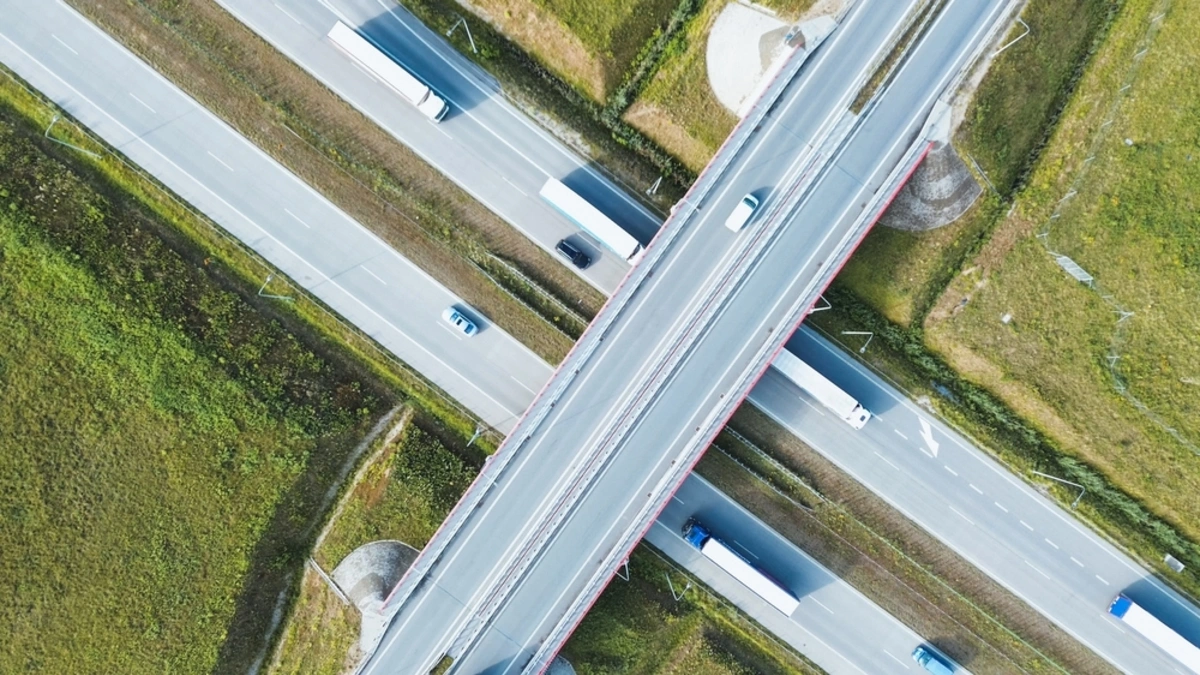
Transport sits underneath almost every part of the supply chain. Raw materials have to reach factories, finished products have to reach warehouses, goods have to move between distribution centres and retailers need stock delivered to their stores.
That means an increase in fuel costs can work its way through several stages before a product reaches the customer.
The Competition Commission’s latest Cost of Living Report highlights just how significant that pressure has become. Petrol prices increased by 26% between January and July 2026, with higher fuel and transport costs adding to production, logistics and distribution costs across the economy.
So where does that extra cost actually go?
It Starts With the Truck
For a transport operator, higher fuel prices are an immediate operating cost.
A truck still has to travel the same distance, carry the same load and use roughly the same amount of fuel. If diesel becomes more expensive, the cost of making that journey increases.
Fuel is not the only cost involved. Trucks also require maintenance, tyres, insurance, drivers and financing. But fuel is one of the costs most directly affected by changes in international oil markets and local fuel pricing.
Transport companies therefore have to decide how much of an increase they can absorb and how much needs to be reflected in their rates.
That is where the cost starts moving through the wider supply chain.
The Raw Material has to Get There Too
Consider a manufacturer producing a food product.
Before anything reaches the factory, ingredients, packaging and other materials may have travelled considerable distances. Those goods could have been transported from farms, processors, ports, importers or other manufacturers.
Higher transport costs can therefore appear before production has even started.
The manufacturer then has its own transport requirements. Finished goods need to leave the factory and move to a warehouse, distribution centre or directly to a customer.
The same fuel increase can consequently affect a product more than once as it moves through the network.
That is one reason why transport costs cannot be viewed in isolation.
Warehouses Don’t Make the Problem Disappear
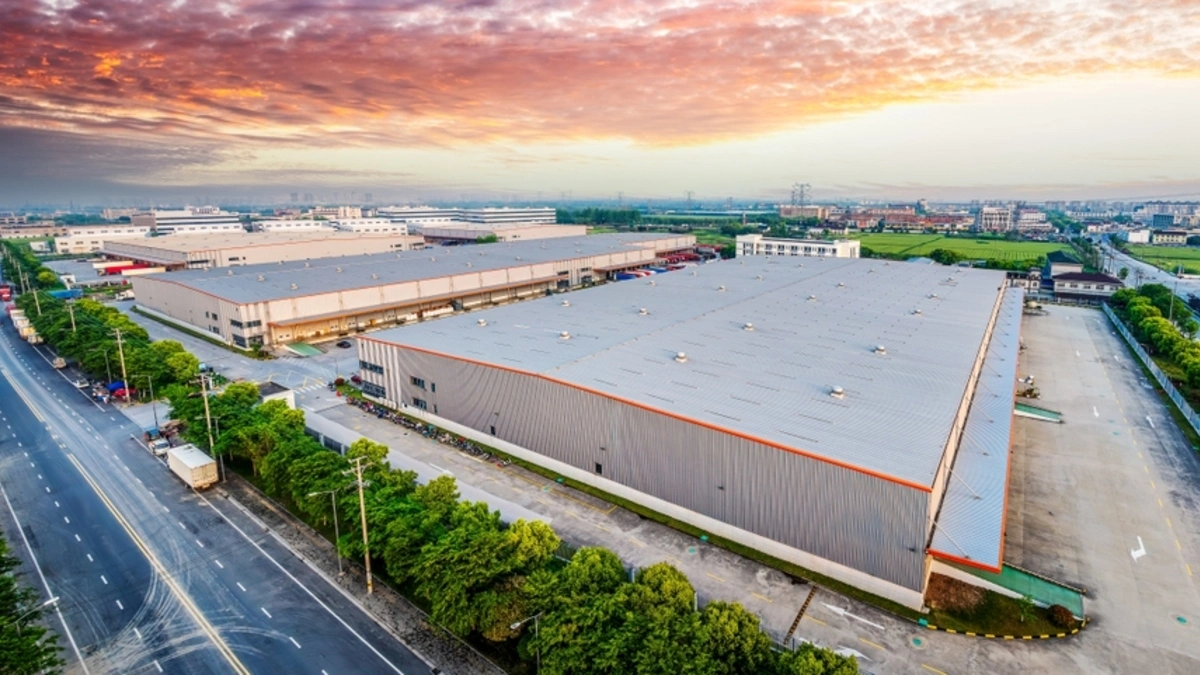
It is easy to think of a warehouse as the point where transport temporarily stops.
In reality, goods may enter and leave a warehouse several times before reaching their final destination.
A product could arrive from a manufacturer, be stored, moved to another distribution centre and then delivered to a retailer. Each movement involves transport.
Warehousing itself also has costs, including electricity, labour, equipment and property. But transport remains part of the equation whenever goods need to be moved in or out.
For businesses operating large distribution networks, even relatively small increases in the cost of each journey can add up quickly.
Then the Product Reaches the Retailer
By the time a product arrives at a shop, its journey may already have involved several transport legs.
That does not mean the retailer simply adds every additional transport cost to the shelf price.
Businesses have different margins and different levels of bargaining power. Some may absorb part of the increase. Others may negotiate new prices with suppliers or transport providers. Some costs may be spread across a large number of products.
The important point is that there is no single point where a fuel-price increase becomes a retail-price increase.
It moves through a network of commercial decisions.
That is why two products can be affected differently by the same increase in fuel costs.
Distance Matters
The impact is also not the same for every business.
A manufacturer located close to its customers may have a very different transport profile from one that relies on long-distance road freight.
A retailer supplied from a nearby distribution centre faces different costs from one receiving stock from hundreds of kilometres away.
The same applies to imported goods. Products arriving through a South African port may still need to travel significant distances by road or rail before reaching a warehouse or customer.
The further a product has to travel, and the more times it has to be moved, the more opportunities there are for transport costs to influence the overall cost of getting it to market.
Not Every Increase Reaches the Customer Immediately
There is another reason the relationship between fuel and prices is more complicated than it first appears.
Businesses do not necessarily change their prices every time fuel moves.
A transport contract may have a fixed period. A manufacturer may have already purchased its inputs. A retailer may have stock sitting in a warehouse that was transported under an earlier cost structure.
This creates a delay between a change in transport costs and its eventual effect elsewhere in the supply chain.
It can also work in reverse.
When fuel costs fall, businesses may not immediately reduce prices because other costs have changed, contracts have not yet been renegotiated or existing stock was purchased when transport was more expensive.
The Competition Commission has raised concerns about this pattern in several essential markets, noting that some prices can rise quickly when costs increase but fall more slowly when those costs decline.
The Cost Doesn’t Always Stop With Transport
This is where the bigger supply-chain picture becomes important.
A transport cost increase can affect more than the price of moving a product.
If logistics becomes more expensive, businesses may reconsider how frequently they replenish stock, how much inventory they hold, which suppliers they use or where warehouses are located.
A manufacturer might look for a supplier closer to its factory. A retailer might review delivery routes. A logistics operator might try to improve vehicle utilisation to make each trip more productive.
In other words, rising transport costs can change decisions throughout the supply chain, not simply the price charged for a truck journey.
Can Businesses Reduce The Impact?
They cannot control the international oil price, but they can control how efficiently they use transport.
Better route planning can reduce unnecessary kilometres. Higher vehicle utilisation can spread the cost of a journey across more goods. Better load planning can reduce the number of trips required.
The same applies to the wider network.
If a business can source some products closer to its customers, reduce empty return journeys or position stock more strategically, it may be able to reduce the amount of transport required in the first place.
These decisions become more important when fuel prices are high.
The Question Isn’t Just What Transport Costs
South Africa’s latest fuel-price shock is a useful reminder that transport is woven into almost every part of the economy.
The question for businesses is therefore not simply “How much more will our trucks cost?”
It is “How much more will it cost to move everything our business needs, and how many times will those goods have to move before they reach the customer?”
That is a much bigger calculation.
For supply-chain managers, the answer may involve changing routes, suppliers, warehouse locations, delivery schedules or inventory strategies.
For consumers, the eventual impact may simply appear as a higher price on the shelf.
Between those two points is an entire supply chain — and that is where the extra cost goes.






 Management3 months ago
 Transport4 months ago
 Logistics4 months ago
 Logistics4 months ago
 Logistics4 months ago
 Logistics4 months ago
 Freight Forwarding4 months ago
 Logistics3 months ago