Connect with us

Freight Forwarding

The Importance of the Digital Supply Chain

Published

on

transport vehicles

To define the digital supply chain, we must first define the supply chain. The supply chain describes the chain of processes, events and information sharing that occurs from the point at which a raw product or ingredient is supplied, all the way to when it is sold to the waiting consumer at the end of the line. Now, a digital supply chain refers to the digitalisation of the supply chain, where the series of processes are integrated in a digital way to enhance efficiency.

Organisations with a digital supply chain can quickly move assets, people and resources to anywhere they are needed. Companies that integrate digital technologies into their supply chain can improve service levels while cutting costs.

World Vision is a global Christian humanitarian organization. They operate in 100 different countries and as a result believe that having connectivity to all of their stakeholders, donors, carriers and customers is critical.

Their stakeholders and program leaders from around the world are serving in various communities, and they needed to have a digital tool that they could all pull from. As a result, they introduced an Enterprise Resource Planning (ERP) system for both managing donations as well as ministry executions for serving their communities. The system automates and integrates core business processes such as taking orders, scheduling operations, and keeping inventory records and financial data.

In 2019 they introduced a Transport Management System (TMS) which links back to the ERP system. The TMS system tracks their inbound and outbound transportation, offering the most cost-effective solutions.

Digital supply chains mark a significant shift away from traditional, linear supply chain models into a collection of dynamic networks. They can plan and alleviate transportation and manufacturing risks resulting in time-saving and cost efficiencies in multiple areas.

References:

Wilson G (2020). Digitising operations to help the vulnerable. 1-16. https://issuu.com/businessreviewusa/docs/bro_worldvision_july2020

Chan M (2018) What is a digital supply chain and digital supply chain explained

https://www.unleashedsoftware.com/blog/digital-supply-chain

https://www.unleashedsoftware.com/blog/digital-supply-chain-explained

Syspro simplifying your success / what is ERP?

https://za.syspro.com/product/what-is-erp/

Continue Reading

Freight Forwarding

The Growing Importance of Intermodal Transport in South Africa

Published

on

Admin

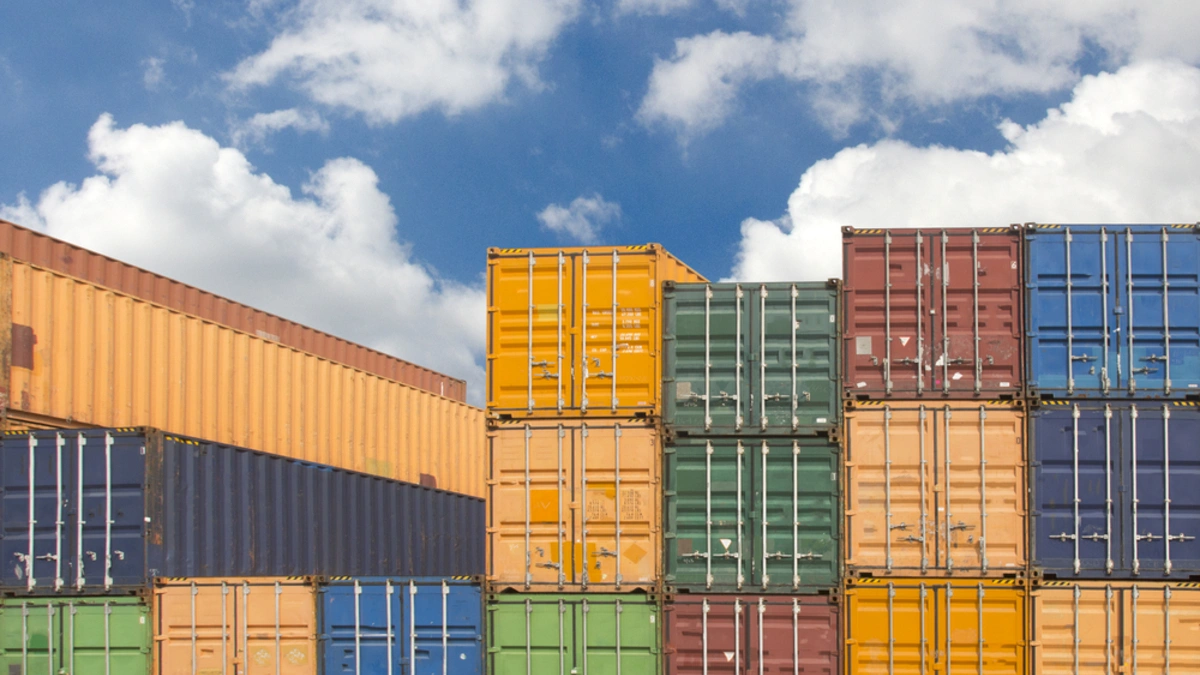
A shipment arriving in South Africa rarely reaches its destination using just one form of transport. A container might arrive by ship, travel inland by rail and complete the final leg of its journey by road before reaching a warehouse or distribution centre. It’s a process most businesses rely on without giving it much thought, but it has a name: intermodal transport.

As supply chains become more complex, moving goods efficiently is no longer about choosing one mode of transport over another. It’s about understanding how road, rail, sea and air can work together. For South Africa, where freight often travels hundreds of kilometres between ports, cities and distribution hubs, that approach is becoming increasingly important.

One Journey, Multiple Modes of Transport

Intermodal transport refers to moving goods using two or more modes of transport during a single journey, while the cargo remains in the same container or trailer. Instead of unpacking and repacking products at every stage, the container itself is transferred between ships, trains and trucks until it reaches its final destination.

The approach combines the strengths of each transport mode. Sea freight is well suited to international shipping, rail can move large volumes over long distances and road transport provides the flexibility needed to collect and deliver goods almost anywhere in the country.

Why it Matters in South Africa

South Africa’s freight network stretches across thousands of kilometres, connecting ports, industrial centres, warehouses and retail hubs. Imported goods arriving in Durban or Cape Town often need to reach businesses in Gauteng, while agricultural exports from inland provinces make the journey in the opposite direction before leaving the country.

No single mode of transport can efficiently handle every stage of those journeys. Intermodal transport allows logistics providers to use each network where it performs best, creating a more connected and efficient supply chain.

Building More Efficient Supply Chains

Moving freight across South Africa rarely goes exactly to plan. Delays at a port, road closures or disruptions on the rail network can quickly affect the rest of the journey, forcing logistics providers to rethink how goods reach their destination.

Using different modes of transport gives businesses more options when those challenges arise. Instead of relying on a single route, they can adapt their transport plans and keep freight moving with as little disruption as possible.

Connecting Transport Through Technology

Keeping freight moving across several transport networks depends on good communication. Warehouse teams, transport operators and customers all need to know where shipments are and when they’re expected to arrive.

Digital tracking, transport management systems and electronic documentation have made that much easier. With better visibility across the journey, businesses can respond more quickly to delays, keep customers informed and make day-to-day transport planning far more straightforward.

Looking Beyond a Single Mode of Transport

The most efficient supply chains don’t rely on just one way of moving goods. Road, rail, sea and air each solve different transport challenges, and together they create a stronger, more connected logistics network.

As South Africa’s transport infrastructure continues to evolve, businesses are looking beyond individual transport modes and focusing on how they work together. Choosing the right combination often makes a bigger difference than choosing the fastest route alone.

Continue Reading

Freight Forwarding

Building a More Resilient Aviation Industry in South Africa

Published

on

Admin

The aviation industry has always had to deal with the unexpected. A change in the weather, a delayed shipment or an aircraft requiring unscheduled maintenance can quickly affect everything that follows. Keeping flights on schedule isn’t just about what happens in the air – it’s about how well the entire operation responds when things don’t go according to plan.

That ability to adapt has become increasingly important in South Africa. As passenger travel grows, air cargo becomes more important to trade and technology continues to reshape the industry, resilience is no longer something that’s only tested during major disruptions. It’s built into the way airports, airlines and logistics providers operate every day.

Building Stronger Airports Starts Behind the Scenes

Most passengers judge an airport by how quickly they check in or collect their luggage. Behind those experiences is a much larger operation that’s constantly working to keep aircraft, baggage and freight moving.

Cargo terminals, maintenance facilities, customs teams and ground handling crews all have a role to play. When these parts of the airport work well together, flights run more smoothly, freight moves more efficiently and delays become easier to manage. That’s why investment isn’t only about expanding airports – it’s also about improving how the entire operation works.

People Keep the Industry Moving

Every flight depends on hundreds of decisions being made before an aircraft even leaves the ground. Pilots, engineers, technicians, air traffic controllers and ground crews each bring skills that technology simply can’t replace.

Digital systems have made many tasks faster and more accurate, but aviation will always rely on experienced people who know how to respond when something changes. Continuing to develop those skills will be just as important as investing in new aircraft or airport infrastructure.

Air Cargo is More Than Freight

When people think about aviation, passenger travel usually comes to mind first. Yet every day, aircraft also carry products that businesses and communities rely on, from medical supplies and fresh produce to high-value manufacturing components.

Getting those goods to their destination takes careful coordination. Airports, warehouses, road transport and customs operations all need to work together to keep shipments moving. The better those connections become, the easier it is for businesses to respond to changing demand and keep their supply chains running.

Better Decisions Begin with Better Information

Anyone working in aviation knows that small delays rarely stay small for long. A late arrival, poor weather or a hold-up in cargo handling can affect aircraft, crews and connecting shipments throughout the day.

Having the right information at the right time makes those situations much easier to manage. Real-time tracking, predictive maintenance and operational data give airlines and airports a clearer picture of what’s happening, allowing them to respond before minor disruptions become much bigger problems.

An Industry That Works Best Together

No airline, airport or logistics provider operates on its own. Every successful journey depends on organisations sharing information, coordinating their operations and working towards the same outcome.

Those partnerships have become one of the industry’s greatest strengths. When communication is strong and planning is aligned, it’s far easier to keep passengers moving, cargo flowing and operations running, even when unexpected challenges arise.

No two days in aviation are ever the same, and that’s unlikely to change. New technology, shifting demand and changing trade patterns will continue to reshape the industry, but one thing remains constant: the ability to adapt. The organisations that keep investing in people, infrastructure and stronger partnerships will be the ones that help South Africa’s aviation industry continue moving forward.

Continue Reading

Freight Forwarding

Five Challenges Facing South Africa’s Aviation Industry

Published

on

Admin

Aviation keeps far more than passengers moving. Every day, aircraft transport fresh produce, pharmaceuticals, engineering components and other high-value cargo that businesses depend on. For industries where time matters, air freight often keeps supply chains running when other modes of transport aren’t an option.

Like much of South Africa’s transport sector, aviation is operating in a demanding environment. Rising costs, ageing infrastructure and changing regulations continue to test airlines, airports and cargo operators, while growing demand places even greater pressure on the industry to operate efficiently.

Rising Operating Costs

Every flight comes with a long list of costs before an aircraft even leaves the ground. Fuel, maintenance, airport charges, insurance and aircraft leasing all add to the cost of keeping airlines in the air, while exchange rate fluctuations can make operating expenses even more unpredictable.

Those costs don’t stop with passenger airlines. Air cargo operators face many of the same pressures, influencing freight rates and the cost of moving high-value, time-sensitive goods across South Africa and beyond.

Infrastructure and Airport Operations

An airport is a carefully coordinated operation where aircraft, cargo, baggage, customs and ground crews all work to tight schedules. When one part of that system is delayed, the effects can quickly spread to the rest of the operation.

For businesses relying on air freight, even small disruptions can delay deliveries and interrupt supply chains. Maintaining reliable airport infrastructure and efficient ground operations remains essential for keeping goods and people moving.

Safety and Security

Keeping people and cargo safe is one of aviation’s biggest responsibilities. Airports, airlines and cargo operators invest heavily in security, training and technology to reduce risk while keeping aircraft and freight moving on schedule.

For air cargo, security doesn’t end once a shipment leaves the airport. Careful handling, real-time tracking and close coordination between logistics partners all help ensure valuable goods reach their destination safely.

Skills and Workforce Development

The aviation industry depends on people with specialist skills. Pilots, engineers, air traffic controllers, technicians and ground handling teams all work together to keep flights operating safely and on time.

Technology is changing the way the industry works, creating demand for new digital skills alongside traditional aviation expertise. Attracting and training the next generation of aviation professionals will be just as important as investing in aircraft and airport infrastructure.

Sustainability and the Future of Aviation

Sustainability is becoming part of everyday operations across the aviation industry. Airlines are improving fuel efficiency and renewing their fleets, while airports are investing in renewable energy and more efficient facilities.

Many of these changes also help reduce operating costs, showing that environmental responsibility and commercial performance often go hand in hand.

Aviation has always adapted to changing conditions, and today’s challenges are no different. As the industry evolves, the focus remains on finding practical ways to improve efficiency, strengthen operations and keep people and goods moving.

Continue Reading

ADVERTISEMENT

Random Image
Advertisement

Trending