Connect with us

Transport

Enhancing Road Safety For A Smoother Supply Chain In SA

Published

on

Cargo truck on the road at dawn

As a country and economy heavily reliant on efficient transportation, road safety in South Africa is one of the many challenges in the lives of every South African citizen and to businesses transporting goods on our roads.

Road safety or the lack thereof can have an extremely unpleasant and often dangerous effect on the lives of everyday citizens and cause major disruptions to the supply chain and economy.

To achieve an uninterrupted supply of goods and services we must address road safety promptly. In this article, we will discuss the impacts of road safety on the supply chain in South Africa and ways we can solve or reduce existing issues.

The Impact of Accidents on South Africa’s supply chain

Road accident events cause a significant challenge to the supply chain in South Africa. This is because these incidents cause a backlog of traffic to build up on the routes which they affect. This causes both delays to the transportation of goods and worse, claims thousands of lives per year in South Africa.

The results of transportation delays are wide-reaching, stretching from reduced customer satisfaction, increased transportation costs and a decrease in general productivity. These negative effects have a ripple effect on the transportation aspect of the supply chain. This ripple effect continues down to cost the basic of goods for citizens, as a result, we need to highlight the need for greater road safety and address these problems quickly and effectively.

Enhancing the driver

One solution to this problem is enhancing driver training programs, doing so will allow drivers to operate at a higher standard of road safety. Transportation companies should consider a partnership with the relevant local authorities to implement standardised road safety training for their drivers. By enhancing driver skills and knowledge, the supply chain can benefit from improved accident prevention and reap the rewards of a more efficient transportation system.

Technology-Based solutions

Using technology-based solutions can significantly contribute to road safety and enhance the efficiency of the supply chain. Transport companies can adopt telematics systems that provide real-time data on vehicle location, speed, and driver behaviour.

This information can be used by companies to monitor driver performance, identify risky driving patterns, and implement corrective measures swiftly. Moreover, integrating GPS systems and route optimisation tools can help optimise delivery routes, reduce travel time, and minimise exposure to potential road hazards.

Some issues cannot be avoided.

While there are many precautions you can take personally as a business I.e., upskilling your drivers and implementing high-tech solutions to warn drivers of possible hazards.

The fact remains that the wider population of drivers on South African roads remains out of your complete control. Poor road infrastructure is another area of concern as poorly maintained roads can not only damage your vehicles, but they can also cause crashes on badly maintained roads.

However, both enhancing driver training and equipping drivers with technological solutions will allow you to mitigate some of the risks by either rerouting transportation or allowing drivers to have the skills necessary to avoid collisions with reckless drivers and poor infrastructure-based hazards.

Final thoughts

Promoting road safety in South Africa is not only a matter of saving lives but also a critical factor in ensuring the smooth function of a robust supply chain. By enhancing transport systems and implementing measures to prevent road accidents, the supply chain can operate with improved efficiency, reduced costs, and increased customer satisfaction.

Continue Reading

Supply Chain

Gauteng Steps Up Road Maintenance to Improve Transport Infrastructure

Published

on

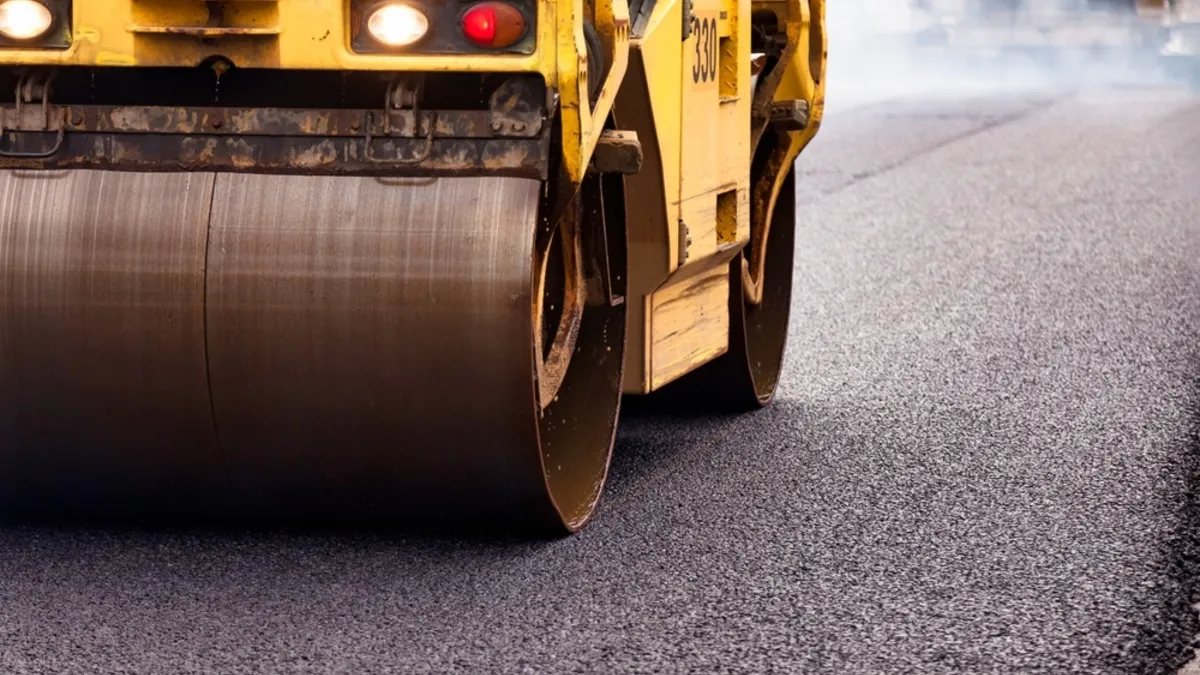
Road roller surfacing newly applied to asphalt to a road.

The Gauteng Department of Roads and Transport is expanding its road maintenance programme after completing repairs on several priority routes across the province.

The work forms part of efforts to improve road conditions, strengthen road safety and address infrastructure concerns raised by communities and road users.

According to a media statement published by the South African Government on 15 November, maintenance has been completed on Mogogelo Road, Graham Road, Makapan Road, the R548, R28, R553, D1132, R103, K46, Cedar Road and Winnie Mandela Drive.

The department says these routes were prioritised because of significant deterioration and concerns raised by road users. Attention will now shift to other sections of the provincial road network, with priority given to roads in the poorest condition.

Expanding Road Maintenance Capacity

Alongside the completed repairs, the department has finalised the first phase of its procurement process to appoint a panel of contractors for a three-year period.

The finalisation of quotation processes is underway, with implementation expected to begin in early December 2026.

The arrangement is intended to strengthen the department’s capacity to respond to road maintenance requirements and improve the speed at which repair work can be carried out.

For businesses operating across Gauteng, road conditions have a direct bearing on daily transport activities. The province is a major distribution and commercial centre, making reliable road infrastructure important for deliveries, commuting and the movement of goods between industrial areas, warehouses and customers.

While the department has not provided figures on the impact of the completed repairs, maintaining priority routes and improving response times will remain important to keeping the provincial transport network operational.

Protecting Transport Infrastructure

The department is also strengthening monitoring at selected intersections through improved CCTV coverage.

The intervention is intended to help identify and record incidents of vandalism and theft affecting traffic signals and other public infrastructure.

Traffic signals play an important role in keeping vehicles moving safely, particularly along busy urban routes. Damage or theft can create additional safety risks and disrupt traffic flow, affecting both commuters and businesses relying on road transport.

The department has also identified illegal dumping, overgrown vegetation, settlement encroachment and vandalism as ongoing challenges affecting road reserves and the condition of the provincial network.

It is working with municipalities, law enforcement agencies and other government departments to develop coordinated responses to these issues.

Maintaining Gauteng’s Road Network

The road maintenance programme highlights the ongoing work required to keep South Africa’s busiest commercial province moving.

While completing repairs on deteriorated roads is an important step, maintaining infrastructure over the longer term will require consistent investment, effective contractor management and protection against vandalism and neglect.

For Gauteng’s transport and logistics sector, the condition of the provincial road network remains an important part of the wider supply chain. Reliable roads support the movement of goods, connect businesses with customers and help keep distribution operations running.

Article adapted from a media statement issued by the Gauteng Department of Roads and Transport.

Continue Reading

Logistics

Operation Vulindlela Reforms Could Reshape South Africa’s Freight Logistics Network

Published

on

Industrial railways with grass growing beside the tracks.

South Africa’s freight logistics sector is moving towards greater private-sector participation as government advances structural reforms aimed at opening rail and port infrastructure to competition.

The developments were highlighted by National Treasury Director-General Dr Duncan Pieterse at the Old Mutual Investment Group’s Tomorrow Investment Summit in Cape Town on 11 November, according to a report published by SAnews.

Operation Vulindlela, a joint initiative of the Presidency and National Treasury, is driving reforms across several network industries, including electricity, water and transport. Its freight logistics programme is particularly significant for businesses that depend on reliable rail services, efficient ports and competitive export routes.

Private Operators Gain Access to Freight Rail

One of the most notable developments is the opening of South Africa’s freight rail network to private operators. According to Pieterse, privately owned trains have already started testing the lines, marking progress towards a more competitive freight market.

However, opening the network to private operators is only one part of the reform process. Government also needs to establish a fully independent Rail Infrastructure Manager to ensure that Transnet and private operators have fair access to the rail network.

For freight customers, greater private-sector participation could eventually provide additional capacity and transport options. It may also create opportunities for businesses to reconsider how they move bulk commodities and other goods across the country.

The impact will depend on how effectively the new operating arrangements are implemented, including access conditions, infrastructure availability and the capacity of the network to accommodate additional services.

Port Reforms Aim to Improve Competition

Changes are also progressing within South Africa’s port system.

Pieterse confirmed that Cabinet had recently approved the approach to separating the Transnet National Ports Authority (TNPA) from Transnet. The reform is intended to create a more competitive environment for terminal operators across the country’s ports.

The separation is an important step towards allowing private operators to compete on a more level playing field. Greater competition could improve terminal efficiency and reduce some of the costs associated with moving goods through South African ports.

For importers and exporters, port performance has a direct bearing on shipping schedules, inventory planning and the cost of international trade. However, the benefits of structural changes will ultimately depend on implementation and whether improved competition translates into more efficient cargo handling.

Private Investment in Export Infrastructure

Another development highlighted by Pieterse is Transnet’s request for qualifications for a strategic partner in the Manganese Export Corridor.

The multibillion-rand project represents another opportunity for private-sector participation in infrastructure supporting South Africa’s commodity exports.

Investment in dedicated export corridors is particularly important for industries that rely on moving large volumes of raw materials between production areas and ports. Improving the reliability and capacity of these routes could help strengthen South Africa’s position in international commodity markets.

Turning Reform into Practical Improvements

While Operation Vulindlela has made progress in opening network industries to competition, the real test will be whether these changes improve the movement of goods across the country.

Private rail operators need reliable access to infrastructure, ports need efficient terminal operations and export corridors require sustained investment. These elements are closely connected, meaning progress in one area will have limited impact if other parts of the logistics network continue to experience constraints.

South Africa’s freight reform programme is therefore entering an important implementation phase. The decisions outlined by Pieterse point towards a more open logistics market, but businesses will be looking for measurable improvements in capacity, reliability and the cost of moving goods.

Article adapted from SAnews.

Continue Reading

Press Releases

South Africa Advances Freight Logistics Reforms as Transnet Returns to Profit

Published

on

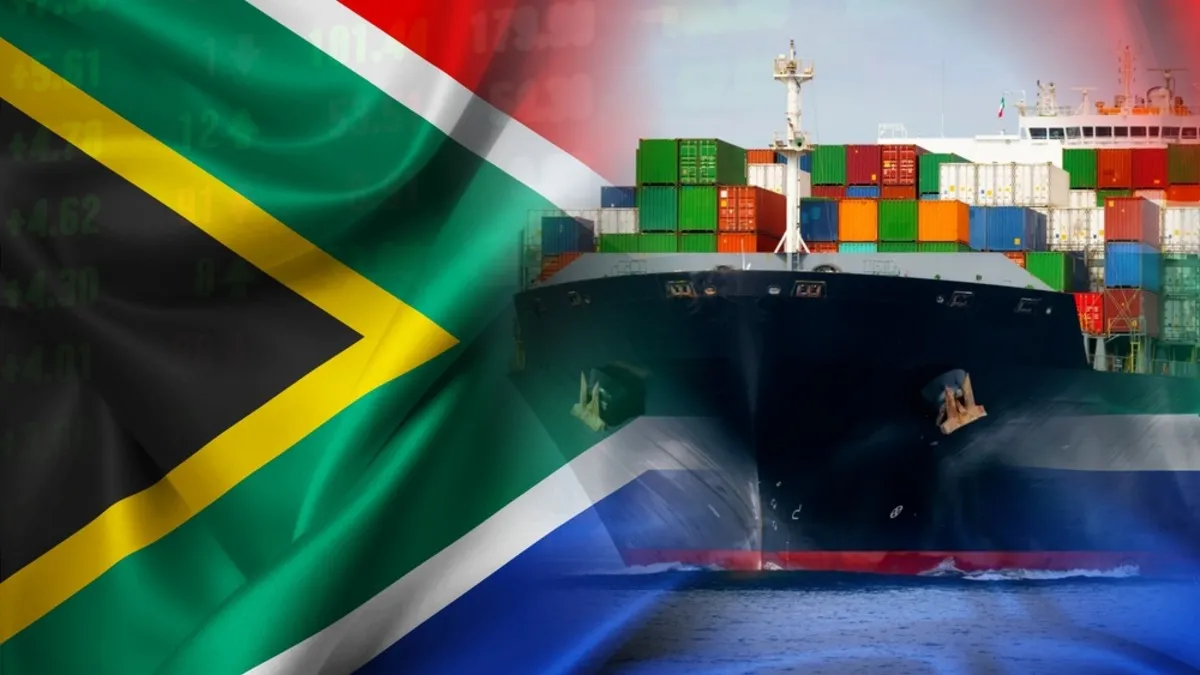
South African flag overlaying a freight ship transporting cargo.

South Africa’s freight logistics reform programme is making progress, with government reporting improvements at Transnet, steps towards opening the rail network to private operators and plans to establish an independent National Ports Authority.

The developments were outlined in the 2026 second-quarter progress report for Operation Vulindlela, a joint initiative of the Presidency and National Treasury aimed at accelerating structural reforms and improving the country’s economic competitiveness.

According to the report, freight logistics reforms are supporting operational improvements at Transnet, which recorded a profit of R4.6 billion for the financial year ended 31 March 2026. This marks a turnaround from the R1.9 billion net loss reported in the previous financial year.

Government Advances Rail and Port Reforms

One of the key developments is Cabinet’s approval of the approach to establishing an independent, state-owned National Ports Authority, separate from Transnet.

The move forms part of wider efforts to restructure the freight logistics sector and create conditions for increased investment and competition in transport infrastructure.

Government has also identified the publication of the revised Network Statement as an important step towards opening South Africa’s freight rail network to private operators. The framework is intended to provide greater access to the national rail network and support broader participation in freight services.

Private sector involvement is also progressing along the Ngqura Manganese Export Corridor. A Request for Qualifications process has been launched to identify a strategic partner for the corridor.

Meanwhile, the National Rail Bill has been developed to establish a legislative framework for open access to the freight rail network. It is expected to be published for public comment once approved by Cabinet.

Focus Shifts Towards Implementation

Operation Vulindlela’s latest report highlights progress across several areas of structural reform, including electricity, water, immigration, local government and digital public infrastructure.

However, the programme acknowledges that progress remains uneven in certain areas.

As reforms move from policy development and planning towards implementation, the focus is increasingly shifting towards measurable outcomes, infrastructure investment and improved service delivery.

For the freight sector, the effectiveness of these reforms will ultimately depend on whether changes to rail access, port governance and private sector participation translate into more reliable logistics services and improved capacity.

South Africa’s ability to strengthen its freight network remains closely linked to its competitiveness as a trading nation. The next phase of reform will therefore be important in determining whether the progress reported by government delivers practical improvements for businesses, exporters and the wider supply chain.

Article adapted from SAnews.

Read the full report: Operation Vulindlela implementation continues to make strides.

Continue Reading

Trending