Connect with us

Transport

Rough Road Ahead for the Trucking Industry in South Africa

Published

on

According to the Road Freight Association’s Chief Executive Gavin Kelly It is going to take at least five years for South Africa’s economy to recover from the impact of lockdown and the COVID-19 pandemic. “There are numerous and complex challenges that lie ahead for trucking operators in our new volatile, uncertain, complex and ambiguous (VUCA) world” explained Gavin.

Over the coming years there are numerous obstacles that road freight operators will face that include:

  • Reduced markets: reduced demand for transport of goods, as consumers purchase less and less.
  • Higher transport (energy input / alternative energy) costs.
  • Increased costs in maintaining personal barriers / protection against COVID-19 – and preparing for whatever other pandemic may be around the corner.
  • Stiff competition from e-commerce platforms: these will undermine conventional retail models and open up opportunities for the parcel/courier industry, which in turn will affect large retail logistics chains and conventional retail models.
  • Labour demands: there will be continued pressure for increased / maintained wage / benefit levels, which will not be sustainable going forward.
  • Continuous pressure to cut costs: automation and the Fourth Industrial Revolution will definitely change current operations and transport methodologies.

And remember, without trucks South Africa stops.

Logistics

Transnet Implements Urgent Measures to Reduce Durban Gateway Terminal Backlogs

Published

on

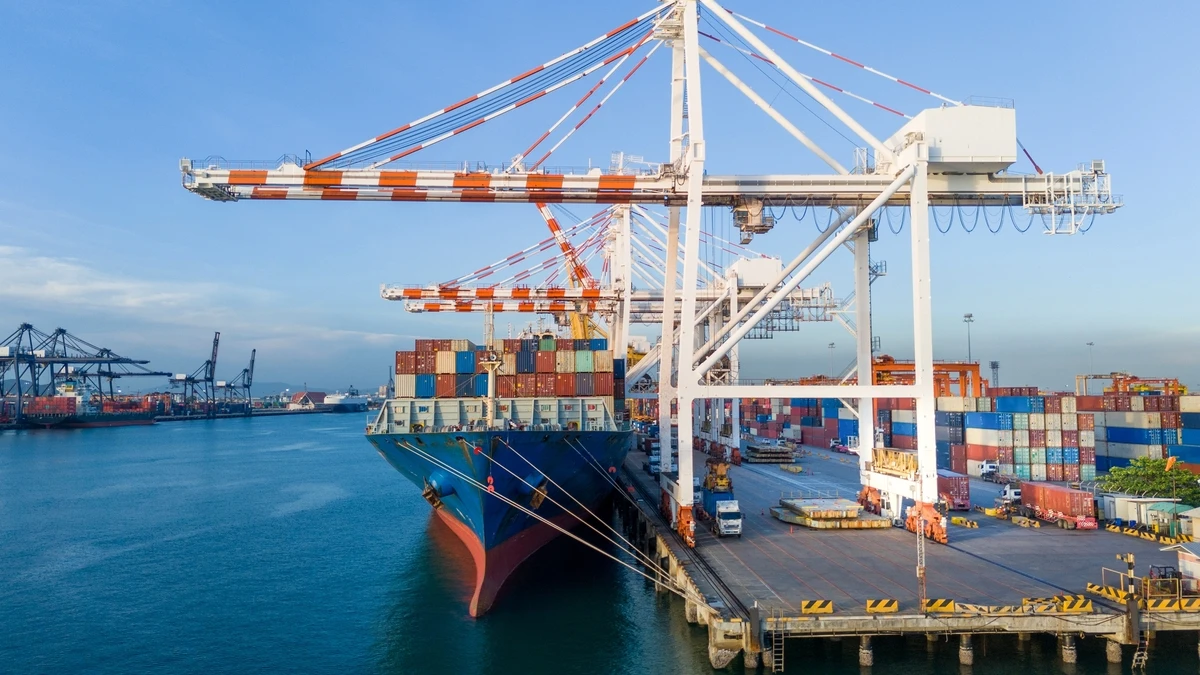
Cargo container ship docked at a shipping port.

Transnet is implementing a series of urgent interventions to reduce congestion at Durban Gateway Terminal (DGT), following operational challenges that have affected shipping lines, cargo owners and the wider logistics value chain.

The measures, announced in a media statement on 18 November 2026, are being coordinated with Durban Gateway Terminal and aim to increase available capacity, improve vessel evacuation and progressively reduce the backlog at the Port of Durban.

Transnet says the situation is being monitored at senior leadership level, with several interventions targeting both vessel movements and the evacuation of cargo from the terminal.

Additional Berthing Capacity and Vessel Diversions

One of the immediate measures involves making Berth 102 available at the Port of Durban to accommodate geared vessels for direct cargo discharge.

Transnet National Ports Authority (TNPA) has dedicated the berth to provide additional capacity and encourage shipping lines to divert suitable vessels away from congested operations.

The intervention also supports the diversion of vessels to the Ngqura Container Terminal (NCT), where Durban-bound containers can be discharged before being transferred by smaller geared vessels to Berth 102 and the Point Terminal.

Transnet Port Terminals (TPT) and DGT are coordinating the identification of suitable vessels for diversion to Ngqura, with the additional berth expected to strengthen this arrangement.

Pier 1 to Receive Additional Crane Capacity

Transnet is also working to increase handling capacity at Pier 1 through the return of ship-to-shore (STS) cranes from long-term refurbishment.

The final crane is scheduled for commissioning on Friday, 20 November, before being handed over to operations on Saturday, 21 November. This will bring all six cranes into operational availability at the terminal.

Additional crane availability is expected to support cargo handling and contribute to reducing the vessel backlog.

Transnet also assessed whether equipment could be transferred from other terminals to DGT. However, Cape Town Container Terminal and Cape Town Multi-Purpose Terminal are currently unable to release equipment because of their requirements during the peak deciduous fruit export season.

The company says it will continue reviewing opportunities to optimise equipment deployment across its network.

Rail Services to Help Clear Import Containers

Alongside the measures targeting vessel movements, Transnet Freight Rail (TFR) has made trains available to evacuate imported containers destined for Gauteng.

This provides another option for moving cargo away from the port and reducing pressure on landside operations.

Transnet is encouraging industry participants to make use of the available rail services to support the evacuation process.

The company is also prioritising essential cargo, including pharmaceuticals and automotive parts, before vessels berth to ensure these goods receive priority evacuation from the terminal.

Coordinating the Recovery of Port Operations

Transnet acknowledges that resolving the backlog will require continued coordination between terminal operations, TNPA, TFR, shipping lines, customers and other stakeholders.

The interventions highlight the importance of addressing congestion across multiple stages of the port operation. Additional berthing capacity and crane availability can support vessel handling, while rail services and cargo prioritisation help move containers away from the terminal.

For importers, exporters and manufacturers, the effectiveness of these measures will be important in restoring more predictable cargo movements through Durban.

Transnet says it will continue providing updates to key stakeholders as the interventions progress, with the aim of restoring operational performance as quickly and sustainably as possible.

Article adapted from a media statement issued by Transnet SOC Ltd.

Continue Reading

Supply Chain

Gauteng Steps Up Road Maintenance to Improve Transport Infrastructure

Published

on

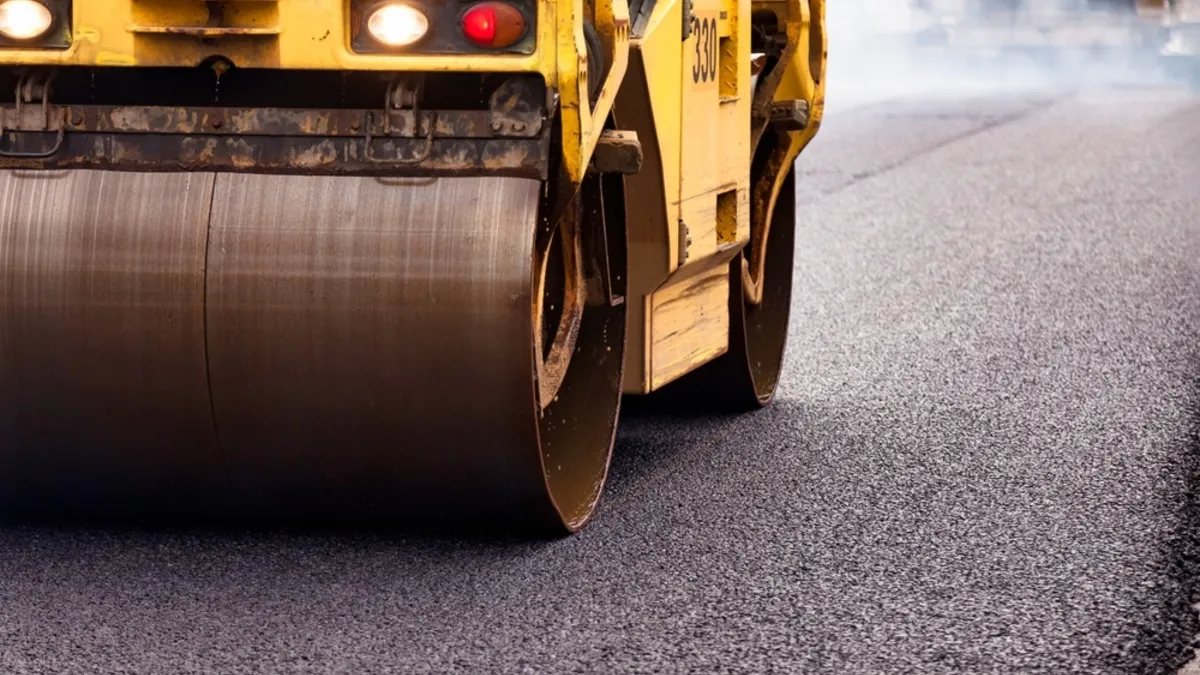
Road roller surfacing newly applied to asphalt to a road.

The Gauteng Department of Roads and Transport is expanding its road maintenance programme after completing repairs on several priority routes across the province.

The work forms part of efforts to improve road conditions, strengthen road safety and address infrastructure concerns raised by communities and road users.

According to a media statement published by the South African Government on 15 November, maintenance has been completed on Mogogelo Road, Graham Road, Makapan Road, the R548, R28, R553, D1132, R103, K46, Cedar Road and Winnie Mandela Drive.

The department says these routes were prioritised because of significant deterioration and concerns raised by road users. Attention will now shift to other sections of the provincial road network, with priority given to roads in the poorest condition.

Expanding Road Maintenance Capacity

Alongside the completed repairs, the department has finalised the first phase of its procurement process to appoint a panel of contractors for a three-year period.

The finalisation of quotation processes is underway, with implementation expected to begin in early December 2026.

The arrangement is intended to strengthen the department’s capacity to respond to road maintenance requirements and improve the speed at which repair work can be carried out.

For businesses operating across Gauteng, road conditions have a direct bearing on daily transport activities. The province is a major distribution and commercial centre, making reliable road infrastructure important for deliveries, commuting and the movement of goods between industrial areas, warehouses and customers.

While the department has not provided figures on the impact of the completed repairs, maintaining priority routes and improving response times will remain important to keeping the provincial transport network operational.

Protecting Transport Infrastructure

The department is also strengthening monitoring at selected intersections through improved CCTV coverage.

The intervention is intended to help identify and record incidents of vandalism and theft affecting traffic signals and other public infrastructure.

Traffic signals play an important role in keeping vehicles moving safely, particularly along busy urban routes. Damage or theft can create additional safety risks and disrupt traffic flow, affecting both commuters and businesses relying on road transport.

The department has also identified illegal dumping, overgrown vegetation, settlement encroachment and vandalism as ongoing challenges affecting road reserves and the condition of the provincial network.

It is working with municipalities, law enforcement agencies and other government departments to develop coordinated responses to these issues.

Maintaining Gauteng’s Road Network

The road maintenance programme highlights the ongoing work required to keep South Africa’s busiest commercial province moving.

While completing repairs on deteriorated roads is an important step, maintaining infrastructure over the longer term will require consistent investment, effective contractor management and protection against vandalism and neglect.

For Gauteng’s transport and logistics sector, the condition of the provincial road network remains an important part of the wider supply chain. Reliable roads support the movement of goods, connect businesses with customers and help keep distribution operations running.

Article adapted from a media statement issued by the Gauteng Department of Roads and Transport.

Continue Reading

Logistics

Operation Vulindlela Reforms Could Reshape South Africa’s Freight Logistics Network

Published

on

Industrial railways with grass growing beside the tracks.

South Africa’s freight logistics sector is moving towards greater private-sector participation as government advances structural reforms aimed at opening rail and port infrastructure to competition.

The developments were highlighted by National Treasury Director-General Dr Duncan Pieterse at the Old Mutual Investment Group’s Tomorrow Investment Summit in Cape Town on 11 November, according to a report published by SAnews.

Operation Vulindlela, a joint initiative of the Presidency and National Treasury, is driving reforms across several network industries, including electricity, water and transport. Its freight logistics programme is particularly significant for businesses that depend on reliable rail services, efficient ports and competitive export routes.

Private Operators Gain Access to Freight Rail

One of the most notable developments is the opening of South Africa’s freight rail network to private operators. According to Pieterse, privately owned trains have already started testing the lines, marking progress towards a more competitive freight market.

However, opening the network to private operators is only one part of the reform process. Government also needs to establish a fully independent Rail Infrastructure Manager to ensure that Transnet and private operators have fair access to the rail network.

For freight customers, greater private-sector participation could eventually provide additional capacity and transport options. It may also create opportunities for businesses to reconsider how they move bulk commodities and other goods across the country.

The impact will depend on how effectively the new operating arrangements are implemented, including access conditions, infrastructure availability and the capacity of the network to accommodate additional services.

Port Reforms Aim to Improve Competition

Changes are also progressing within South Africa’s port system.

Pieterse confirmed that Cabinet had recently approved the approach to separating the Transnet National Ports Authority (TNPA) from Transnet. The reform is intended to create a more competitive environment for terminal operators across the country’s ports.

The separation is an important step towards allowing private operators to compete on a more level playing field. Greater competition could improve terminal efficiency and reduce some of the costs associated with moving goods through South African ports.

For importers and exporters, port performance has a direct bearing on shipping schedules, inventory planning and the cost of international trade. However, the benefits of structural changes will ultimately depend on implementation and whether improved competition translates into more efficient cargo handling.

Private Investment in Export Infrastructure

Another development highlighted by Pieterse is Transnet’s request for qualifications for a strategic partner in the Manganese Export Corridor.

The multibillion-rand project represents another opportunity for private-sector participation in infrastructure supporting South Africa’s commodity exports.

Investment in dedicated export corridors is particularly important for industries that rely on moving large volumes of raw materials between production areas and ports. Improving the reliability and capacity of these routes could help strengthen South Africa’s position in international commodity markets.

Turning Reform into Practical Improvements

While Operation Vulindlela has made progress in opening network industries to competition, the real test will be whether these changes improve the movement of goods across the country.

Private rail operators need reliable access to infrastructure, ports need efficient terminal operations and export corridors require sustained investment. These elements are closely connected, meaning progress in one area will have limited impact if other parts of the logistics network continue to experience constraints.

South Africa’s freight reform programme is therefore entering an important implementation phase. The decisions outlined by Pieterse point towards a more open logistics market, but businesses will be looking for measurable improvements in capacity, reliability and the cost of moving goods.

Article adapted from SAnews.

Continue Reading

Trending