
Freight Forwarding
SAFLA Strengthens Regional Engagement with SARS Customs


On 14 July 2026, representatives of the South African Freight and Logistics Association (SAFLA) met in person with SARS Customs management teams in the Western Cape and Johannesburg to advance practical solutions for the freight forwarding and logistics sector.
The engagements build on SAFLA’s formal representation in SARS Customs stakeholder structures and are intended to create direct, practical channels between Customs and industry at regional level. The focus is on efficient trade processes, timely and transparent communication, responsible representation and consistent compliance.
“This is what practical partnership looks like,” says SAFLA Executive Officer Dave Logan. “We are not waiting for problems to accumulate. We are engaging SARS regionally, with clear agendas and evidence from members, so that issues can be addressed before they add avoidable time and cost to legitimate trade.”

Dave Logan, SAFLA Executive Officer
Western Cape Establishes a Structured Working Relationship
SAFLA’s Western Cape Working Group met the SARS Customs regional management team to present the Association’s national and regional model and agree on a structured engagement process.
SARS welcomed the platform and committed to monthly management meetings with the Working Group. It also indicated that broader stakeholder meetings involving customs brokers, shipping lines, depots and freight forwarders would be reinstated.
“SAFLA will continue to participate in quarterly Sea Modality structures and circulate meeting agendas in advance so that both sides arrive prepared to resolve clearly defined issues,” says SAFLA Vice President Jonathan McDonald. “The first formal management meeting is scheduled for 4 August 2026, with a broader stakeholder meeting expected later that month.”

Jonathan McDonald, SAFLA Vice President
“SARS is reviewing Western Cape Customs processes, operating practices and potential technology improvements. SAFLA members will be able to contribute evidence-based input on bottlenecks, inspection delays, communication gaps and the commercial cost of avoidable hold-ups,” McDonald adds.
This channel is particularly important for smaller operators, which have less capacity to absorb the cost of delays and repeated administrative escalation.
Regional Engagement Progresses in Johannesburg and KwaZulu-Natal
In Johannesburg, SAFLA representatives outlined the Association’s purpose and regional engagement model to SARS Customs. SARS indicated a willingness to meet monthly on Customs matters affecting Johannesburg, including Sea Modality issues.
As the relationship moves towards formalisation, SARS requested SAFLA’s stakeholder engagement documentation, confirmation of the Association’s recognition, an organisational chart and current membership numbers. These governance steps will support a durable, properly constituted relationship and inform engagement in other SARS regions.
SAFLA’s KwaZulu-Natal Working Group has meanwhile focused on engagement with Transnet National Ports Authority (TNPA) at the Port of Durban, as road congestion continues to affect access to terminals and depots.
“At a meeting on 24 July, the port manager outlined short- and long-term interventions being implemented. Road access remains a particular concern, including access to the port’s container terminals, the Island View (Cutler) Complex and Bulk Connections,” explains Dave Watts, a member of SAFLA’s KwaZulu-Natal Working Group.

SAFLA KZN Working Group Member Dave Watts
International Container Terminal Services (ICTSI) assumed day-to-day operational responsibility for Durban Container Terminal Pier 2 in January 2026 under its partnership with Transnet.
“Regular engagement with management across Durban’s container terminals is continuing. At Durban Gateway Terminal, members are reporting limited truck-booking slots and considerable staging-area delays. High volumes, vessel bunching and equipment breakdowns are among the issues understood to be affecting performance,” Watts adds.
The KwaZulu-Natal Working Group also attended a regional SARS Customs meeting as an observer and is working to establish an ongoing relationship with regional Customs officials.
A Practical, Outcomes-Based Relationship
“These engagements show that both parties are willing to build practical, accountable working relationships focused on measurable outcomes. SAFLA’s role is to bring evidence, represent members with integrity and work alongside SARS on solutions that improve both trade facilitation and compliance,” McDonald says.
“SAFLA exists to give freight forwarders a credible voice, nationally and in every region where trade happens. We will keep engaging constructively and measure success by whether the issues raised translate into clearer processes and operational improvements,” he concludes.
Freight Forwarding
A Terminal in Healing: SAFLA and the RFA Acknowledge the Movement Towards DGT Efficiency

The South African Freight and Logistics Association (SAFLA) and the Road Freight Association (RFA) were present during the recent interaction between Durban Gateway Terminal (DGT) and relevant stakeholders and organisations that have operations or members processing cargo through the terminal.
Representatives of DGT and International Container Terminal Services Inc (ICTSI) were candid and open regarding challenges experienced – as well as what had been achieved in the period that Transnet had signed the agreement with ICSTI.
Whilst there are challenges, the terminal was functioning well – given the challenges experienced, and both DGT and ICTSI listened to comments from all present and noted that two processes were in place to address the operations at DGT.
One was short term: this included the waiving of all terminal storage charges whilst the current set of challenges were experienced, and secondly, there was an accelerated programme to keep the various pieces of machinery operating at the best levels of safety and functionality, as was possible. Gensets had been brought in to deal with power disruptions.
In addition, DGT acknowledged the problems with the slot booking system and already had developed a solution to vastly improve the process – this was to be shared with all shareholders in due course for comment and implementation.
DGT also brought Transnet into the meeting to address certain aspects that had placed pressure on operational efficiencies.
Long-term plans: the Terminal requires significant refurbishment and upgrading / modernising to compete with the options of other ports on the Southern African continent. Much of the equipment needed has been ordered – but there are lengthy lead times in the delivery of the equipment.
“There are immediate short-term options – such as reducing the pressure on the terminal whilst upgrades and interventions are applied. Perhaps Transnet can lower container movement tariffs (from other ports) for a period, whilst DGT is brought to the level of efficiency required. As we have noted – transporters are carrying the costs of inefficiencies,” said Gavin Kelly, Chief Executive Officer of the RFA. “Fleets are standing without bookings while fixed costs run, drivers are queuing on Bayhead Road, and every standing hour ends up in the price of goods. Slot releases must match real capacity, and truck staging must be fast-tracked now. Without trucks, South Africa stops.”
“SAFLA is delighted at the waiving of storage charges whilst the current set of challenges are being experienced,” said Dave Logan of SAFLA. “This will meaningfully ease the burden on freight forwarders and their clients, and we welcome this gesture of good faith from DGT and ICTSI.”
SAFLA and the RFA stand ready to contribute member evidence and practitioner expertise to a joint recovery task team alongside DGT, Transnet, government and other industry bodies.
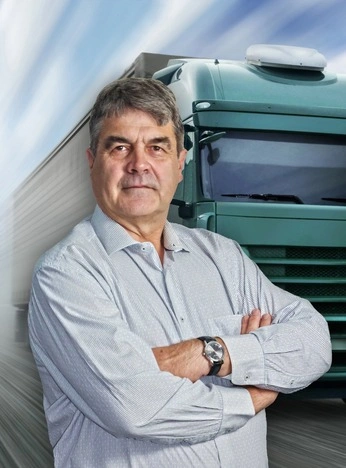
Gavin Kelly, CEO of the Road Freight Association

Dave Logan – Executive Officer of SAFLA

A Game-Changer in South Africa’s Port Structural Reform

Hammer Blow to Road Freight Logistics With October Fuel Price Hike: What This Means for the Road Logistics Sector and Consumer

Is Your Logistics Business the One AI Recommends? A Cape Town Agency’s Numbers Say It’s Starting to Matter


-

 Management3 months ago
SEO, AEO, GEO and SEO for AI: What Is the Difference for the Supply Chain Industry?
-

 Transport4 months ago
LDV T60 Max vs GWM P500 vs Isuzu D-Max vs Toyota Hilux vs Ford Ranger: Which Double-Cab Bakkie Offers the Best Value?
-

 Logistics4 months ago
DHL Group to invest around € 160 million in 2026-2027 to strengthen logistics infrastructure and support clean energy transition in France
-

 Logistics3 months ago
Top 5 Warehousing and Logistics Companies in the Western Cape by Google Review Rating
-

 Logistics4 months ago
DHL Expands Asia Pacific Data Center Logistics Capabilities to Support Growing Regional Demand
-

 Logistics4 months ago
Top 10 Warehousing and Logistics Companies in Gauteng by Google Review Rating
-

 Freight Forwarding4 months ago
The Hidden Cost of Shipping from China to South Africa — What Every SA Importer Needs to Know in 2026
-

 Logistics3 months ago
Top 4 Lift Truck Companies in Gauteng