
Freight Forwarding
Air vs. Maritime Freight Transportation


Among the popular forms of transport within the freight industry, two of them are seen as extremely efficient with regard to transporting goods over long distances. These forms of transport go by the name of air and maritime freight transportation. Even though they’re very different, they can work really well together, as we’ll explore later on in this article.
Table of Contents
In this article, we’ll be looking at:
- What Air Freight Transportation is
- How Air Freight Transportation Works
- The Top 4 Benefits of Air Freight Transportation
- What Maritime Freight Transportation is
- How Maritime Freight Transportation Works
- The Top 4 Benefits of Maritime Freight Transportation
- Frequently Asked Questions
What is Air Freight Transportation?

Air freight transportation, often referred to as air cargo, is the expedited movement of goods via aircraft. This mode of transportation is favoured for its speed and reliability, making it the essential choice for businesses dealing with time-sensitive cargo.
How Air Freight Transportation Works
The process of air freight transportation involves the following key steps:
Step 1: Cargo Acceptance
Businesses deliver their goods to an airport cargo terminal, where the items are inspected, documented, and prepared for flight.
Step 2: Loading and Transport
Once cleared for departure, cargo is loaded onto aircraft, ranging from small cargo planes to jumbo jets, depending on the volume and nature of the goods.
Step 3: Air Transit
The cargo is flown to its destination airport, where it is unloaded and cleared through customs.
Step 4: Final Delivery
After customs clearance, the cargo is transported to its final destination, often by ground transportation.
The Top 4 Benefits of Air Freight Transportation
There are a couple of reasons why people continue to invest in the air freight industry. Below is a list of some of the benefits of air freight transportation.
1. Speed:
Air freight is unparalleled when it comes to delivering goods quickly. It significantly reduces transit times, making it an ideal choice for perishable or time-sensitive cargo.
2. Reliability:
Air cargo schedules are highly predictable, thanks to the frequent and regular flight services offered by airlines.
3. Global Reach:
Air freight connects virtually every corner of the globe, enabling businesses to access international markets with ease.
4. Enhanced Security:
Airports have stringent security measures in place, reducing the risk of theft and damage to cargo.
What is Maritime Freight Transportation?

Maritime freight transportation, commonly known as sea freight, involves the shipment of goods via cargo vessels across oceans and seas. This method is renowned for its cost-effectiveness, particularly for bulk and non-perishable cargo.
How Maritime Freight Transportation Works
The maritime freight transportation process encompasses several stages:
Stage 1: Cargo Loading
Cargo is packed into shipping containers at the origin port and loaded onto cargo vessels.
Stage 2: Voyage
The cargo vessel embarks on its journey across the sea, navigating established maritime routes.
Stage 3: Port Unloading
Upon reaching the destination port, cargo containers are unloaded, and customs clearance procedures are initiated.
Stage 4: Onward Transport
Goods are transported from the port to their final destination, typically by road or rail.
The Top 4 Advantages of Maritime Freight Transportation
The maritime freight industry has its challenges that need to be addressed continuously, but there are a couple of reasons why it hasn’t disappeared.
1. Cost Efficiency
Sea freight is often more economical for large or bulky cargo due to its lower shipping rates.
2. Eco-Friendly
Maritime transportation is comparatively eco-friendly, with lower carbon emissions per ton of cargo transported.
3. High Capacity
Cargo vessels have immense capacity, making them suitable for transporting vast quantities of goods.
4. Versatility
Sea freight can handle a wide range of cargo types, from consumer goods to heavy machinery.
How They Can Work Together
In an increasingly interconnected world, businesses often find that combining air and maritime freight can be a winning strategy. Air freight ensures the swift delivery of time-sensitive components or products, while sea freight handles larger volumes of goods more economically. This harmonious partnership can help optimise supply chains and reduce overall transportation costs.
FAQ: Clearing the Air and Water
If we haven’t answered some of the questions you had in mind, have a look at the frequently asked questions below:
Is air freight more expensive than sea freight?
Yes, air freight is generally more expensive per kilogram or cubic meter of cargo due to the speed and reliability it offers.
Can fragile items be shipped via sea freight?
Yes, fragile items can be shipped via sea freight by using proper packaging and stowage techniques to minimise the risk of damage during transit.
How long does sea freight take compared to air freight?
Sea freight takes longer, often several weeks, whereas air freight can transport goods across continents in a matter of days.
Final Thoughts
In the world of freight transportation, there is no one-size-fits-all solution. The choice between air and maritime freight depends on various factors, including the nature of the cargo, budget constraints, and delivery timelines.
By understanding the strengths and weaknesses of each mode and considering the possibility of combining them strategically, businesses can navigate the global supply chain with confidence, delivering their goods efficiently and profitably to markets around the world.

Freight Forwarding
A Terminal in Healing: SAFLA and the RFA Acknowledge the Movement Towards DGT Efficiency

The South African Freight and Logistics Association (SAFLA) and the Road Freight Association (RFA) were present during the recent interaction between Durban Gateway Terminal (DGT) and relevant stakeholders and organisations that have operations or members processing cargo through the terminal.
Representatives of DGT and International Container Terminal Services Inc (ICTSI) were candid and open regarding challenges experienced – as well as what had been achieved in the period that Transnet had signed the agreement with ICSTI.
Whilst there are challenges, the terminal was functioning well – given the challenges experienced, and both DGT and ICTSI listened to comments from all present and noted that two processes were in place to address the operations at DGT.
One was short term: this included the waiving of all terminal storage charges whilst the current set of challenges were experienced, and secondly, there was an accelerated programme to keep the various pieces of machinery operating at the best levels of safety and functionality, as was possible. Gensets had been brought in to deal with power disruptions.
In addition, DGT acknowledged the problems with the slot booking system and already had developed a solution to vastly improve the process – this was to be shared with all shareholders in due course for comment and implementation.
DGT also brought Transnet into the meeting to address certain aspects that had placed pressure on operational efficiencies.
Long-term plans: the Terminal requires significant refurbishment and upgrading / modernising to compete with the options of other ports on the Southern African continent. Much of the equipment needed has been ordered – but there are lengthy lead times in the delivery of the equipment.
“There are immediate short-term options – such as reducing the pressure on the terminal whilst upgrades and interventions are applied. Perhaps Transnet can lower container movement tariffs (from other ports) for a period, whilst DGT is brought to the level of efficiency required. As we have noted – transporters are carrying the costs of inefficiencies,” said Gavin Kelly, Chief Executive Officer of the RFA. “Fleets are standing without bookings while fixed costs run, drivers are queuing on Bayhead Road, and every standing hour ends up in the price of goods. Slot releases must match real capacity, and truck staging must be fast-tracked now. Without trucks, South Africa stops.”
“SAFLA is delighted at the waiving of storage charges whilst the current set of challenges are being experienced,” said Dave Logan of SAFLA. “This will meaningfully ease the burden on freight forwarders and their clients, and we welcome this gesture of good faith from DGT and ICTSI.”
SAFLA and the RFA stand ready to contribute member evidence and practitioner expertise to a joint recovery task team alongside DGT, Transnet, government and other industry bodies.
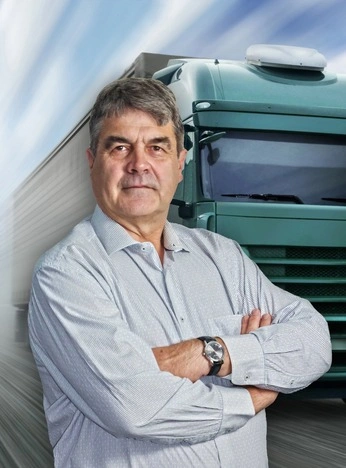
Gavin Kelly, CEO of the Road Freight Association

Dave Logan – Executive Officer of SAFLA

Hammer Blow to Road Freight Logistics With October Fuel Price Hike: What This Means for the Road Logistics Sector and Consumer

Is Your Logistics Business the One AI Recommends? A Cape Town Agency’s Numbers Say It’s Starting to Matter

Opinion Piece: Open Access to Rail Can Be a Game-Changer for SA, But Only if Infrastructure Investment Accelerates


-

 Management3 months ago
SEO, AEO, GEO and SEO for AI: What Is the Difference for the Supply Chain Industry?
-

 Transport4 months ago
LDV T60 Max vs GWM P500 vs Isuzu D-Max vs Toyota Hilux vs Ford Ranger: Which Double-Cab Bakkie Offers the Best Value?
-

 Logistics4 months ago
DHL Group to invest around € 160 million in 2026-2027 to strengthen logistics infrastructure and support clean energy transition in France
-

 Logistics4 months ago
DHL Expands Asia Pacific Data Center Logistics Capabilities to Support Growing Regional Demand
-

 Logistics3 months ago
Top 5 Warehousing and Logistics Companies in the Western Cape by Google Review Rating
-

 Logistics4 months ago
Top 10 Warehousing and Logistics Companies in Gauteng by Google Review Rating
-

 Freight Forwarding4 months ago
The Hidden Cost of Shipping from China to South Africa — What Every SA Importer Needs to Know in 2026
-

 Logistics3 months ago
Top 4 Lift Truck Companies in Gauteng