Freight Forwarding
Road vs. Railway Freight Transportation
Published
3 years agoon
By
Morgan
In the intricate dance of modern economies, the efficient movement of goods is the star performer. And in this show, both road and railway freight play their vital roles as among some of the most used methods of freight transportation in South Africa. While road freight shines for its adaptability and door-to-door service, railway freight takes the spotlight for its cost efficiency and knack for hauling hefty volumes across substantial distances.
Table of Contents
In this article, we’ll be looking at:
- What road freight transportation is
- How road freight transportation works
- The top 4 benefits of road freight transportation
- What railway freight transportation is
- How railway freight transportation works
- The top 4 advantages of road freight transportation
- How they can work together
Let’s get this show on the road.
What is Road Freight Transportation?

Ever wondered about the magic behind getting your online orders or everyday essentials right to your doorstep? Well, a big part of that magic is road freight transportation. It’s basically the way stuff gets moved around using trucks and other vehicles on roads – those big highways and streets that crisscross our cities and countries.
How does Road Freight Transportation Work?
With road freight transportation, things like clothes, gadgets, furniture – you name it – get packed up and loaded onto these trucks. Then these trusty trucks hit the road and start cruising along highways, making their way to where they need to be. It’s like a journey for your stuff, from where it starts to where it needs to end up.
The Top 4 Benefits of Road Freight Transportation
There are many advantages to the usage of road freight transportation, but the list of four points below highlights the most important.
1. Super Flexible:
Road freight is like the ultimate explorer. Trucks can go through forests, mountains, and even squeeze through those narrow city streets. No place is off-limits!
2. Speedy Gonzales:
When things need to get somewhere in a hurry, road transportation is the way to go. It’s perfect for when you’re ordering that last-minute gift or something you really, really need ASAP.
3. Bringing It Home:
Ever ordered something online and had it show up at your doorstep? That’s the magic of road freight – those trucks can literally bring things right to your house.
4. Easy to Reach:
If there’s a road, there’s a way. Road freight can reach pretty much anywhere with a road, which is pretty much everywhere.
What is Railway Freight Transportation?

Have you ever thought about those massive trains you see rolling along tracks, carrying all sorts of stuff? That’s the world of railway freight transportation – a kind of magic that moves goods using trains on specially built railroads.
How does Railway Freight Transportation Work?
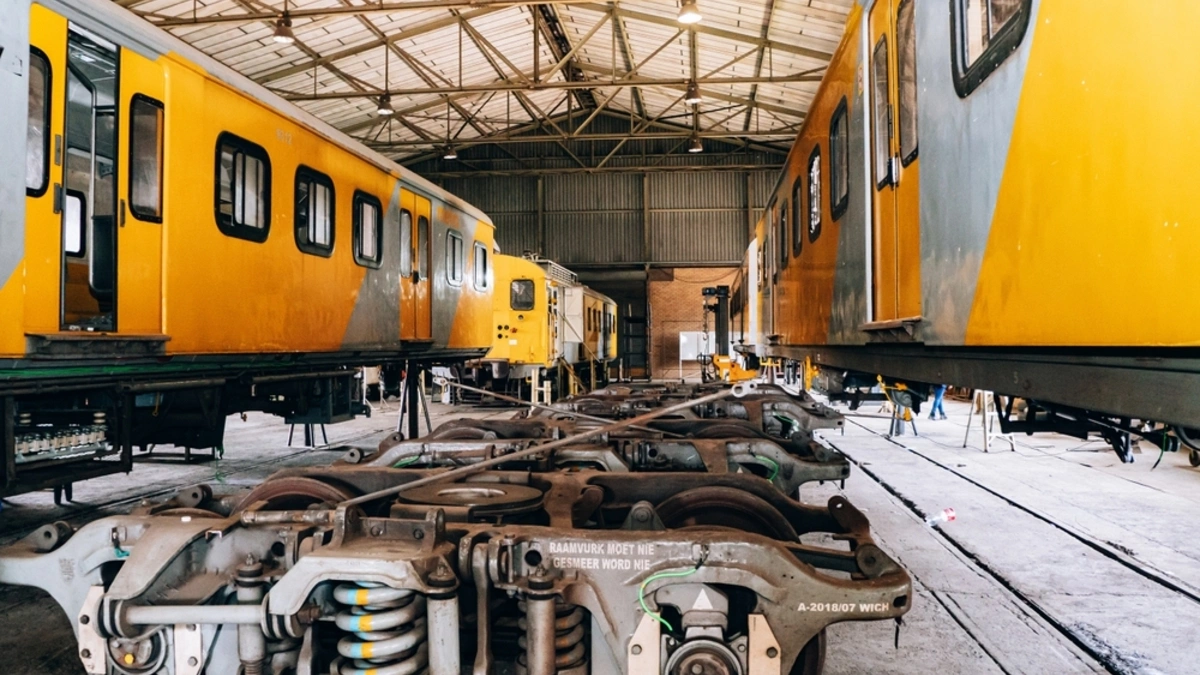
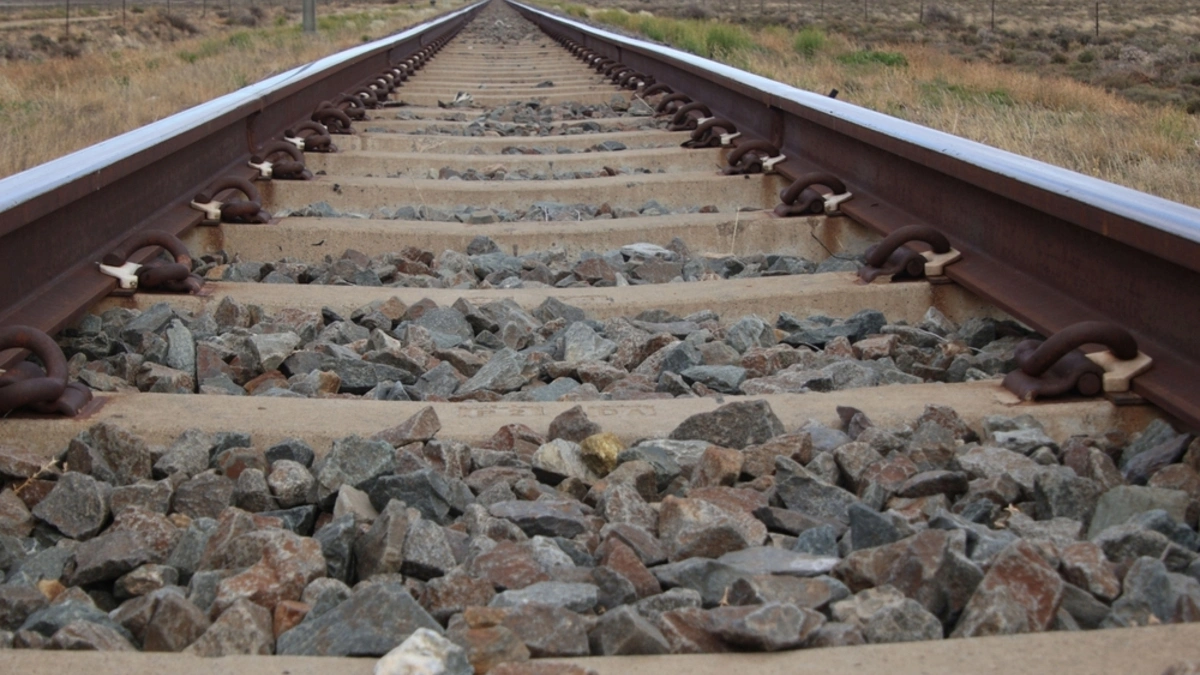
So, imagine this: Goods are packed up and loaded onto train cars, like huge cargo containers. Then these trains, pulled by powerful engines, move along dedicated tracks to deliver the goods. It’s like a big, organised road trip for your things, just on rails.
The Top 4 Advantages of Railway Freight Transportation
We know how it works, but why would someone invest any money or time into railway freight transportation? The list of four benefits below may entice them to do just that.
1. Wallet-Friendly:
When it comes to moving a ton of stuff, trains are like the thriftiest option in town. They can haul a whole bunch of cargo in one go, which keeps costs down.
2. Eco-Savvy:
Trains are like the green machines of transportation. They use less energy per ton they move compared to other options, which is good news for both the planet and the people living on it.
3. No Traffic Jams:
Unlike highways that can turn into parking lots, railroads usually have smoother sailing. That means fewer delays and more predictability, especially for longer journeys.
4. Marathon Runners:
If you need to move things across vast stretches, trains are the superheroes. They’ve got the ability to cover large distances without breaking a sweat.
How They Work Together
We’re all aware that a one-size-fits-all solution doesn’t always hit the mark. Rather than locking road and railway freight in a rivalry, smart logistics players are learning to choreograph their unique strengths and weaknesses for a harmonious performance.
Intermodal Symphony:
The melody of intermodal transportation involves orchestrating both modes in harmony. Trucks handle the initial and final stretches, while trains sweep in for the long-haul leg. This symphony optimizes costs, speed, and capacity.
Tuning the Supply Chain:
Fine-tuning the logistics orchestra involves understanding the nature of goods, distances, and delivery timelines. This strategic allocation between road and rail ensures the best performance for each shipment.
Infrastructure Encore:
Governments and private stakeholders investing in railway infrastructure are setting the stage for improved connectivity. With a better-connected rail network, rail freight becomes a more viable option.
Frequently Asked Questions
These questions are most frequently asked questions whenever we compare road and rail freight transportation to one another.
1. Which method is faster, road or railway freight transportation?
If you’d like something delivered to you fast, road freight is definitely the way to go. Railway transport is great for longer distances but may have longer lead times for scheduling.
2. Which method is more cost-effective for transporting large volumes of goods?
Railway transport takes this one. They’re more cost-efficient as they can distribute larger loads over longer distances over one trip. Reducing the number of trips and vehicles would reduce the overall cost of shipment.
3. Are there any advantages to using road freight transportation for smaller shipments?
Road freight is ideal for smaller shipments due to its flexibility and ability to provide door-to-door service, making it suitable for e-commerce and everyday deliveries.
4. How do logistics companies decide whether to use road or railway transportation for a specific shipment?
They take into account a variety of factors, such as distance, volume, time constraints, and environmental considerations. Logistics companies tend to use both of them but for different situations as they both have their benefits.
Final Note
In the ongoing saga of road versus railway freight transportation, there’s no definitive answer to the question of which is superior. The decision on which is better than the other is quite complicated, as it depends on a variety of things, including distance, volume, time constraints, and environmental considerations.
By choosing to embrace the unique strengths and limit the challenges of railway and road freight transportation, weaving innovative strategies that blend their abilities, the logistics world can produce a more efficient and sustainable freight transportation system, serving the needs of businesses and consumers with finesse.
You may like
Freight Forwarding
Africa’s Trade Ambitions Depend On Stronger Logistics Networks
Published
7 days agoon
November 11, 2026By
SCN Africa
A business can have a strong product and growing demand, but growth depends on ability to reach customers efficiently. Logistics connects businesses to markets, keeps supply chains moving, and helps companies respond to changing customer needs. As Africa looks to expand regional trade, the strength of its logistics networks will be critical to turning that ambition into commercial opportunity.
The challenges facing South Africa’s freight and logistics sector are significant. At the inaugural National Transport Conference in March 2026[1], the South African government highlighted some of the country’s challenges. Approximately 69% of the country’s freight moves by road, while inefficiencies across the logistics system are estimated to cost the economy close to R1 billion a day. The figures underline how closely business performance is tied to the capacity and efficiency of the transport network.
“For many businesses, growth depends on their ability to connect with customers wherever they are,” says Nelson Teixeira, Managing Director of Operations for Sub-Saharan Africa at FedEx. “The ability to move goods efficiently and reliably helps businesses expand their reach, explore new markets and respond to customer demand.”
Infrastructure and Information Must Work Together
Roads, railways, ports and airports provide the physical links in a supply chain. Digital tools add information that businesses can use to plan, respond to delays, and keep customers informed. Shipment visibility helps teams understand where goods are and whether delivery plans have changed, while online shipping tools can simplify routine tasks.
In South Africa, FedEx Tracking enables customers to check shipment progress and set up status notifications. FedEx Ship Manager allows customers to prepare shipments online, enter shipment details and upload required documents. These tools can support day-to-day planning, although reliable delivery also depends on transport capacity, customs processes, and conditions along the route.
Making the Network Work Harder
South Africa’s current freight reform programme highlights the potential of rail in easing pressure on the road network. The government outlined progress in rail freight, including 160 million tonnes moved in the previous financial year, an increase of 5.5% year on year[2]. A target of moving 250 million tonnes by rail by 2029 has also been set. Achieving this will depend on implementation and the capacity to move more freight reliably.
For businesses, a more effective freight system can widen transport options and help improve the movement of goods across the country. Cross-border trade brings additional requirements, including customs documentation, destination-market rules, and coordination between different transport networks. Predictable processes matter because delays and uncertainty can affect costs, customer commitments, and the commercial case for entering a new market.
The opportunity extends beyond South Africa. The World Bank’s analysis of the African Continental Free Trade Area[3] estimated that full implementation could increase regional income by 7%, or US$450 billion, by 2035. That projection depends on implementation, including measures to reduce trade barriers and simplify customs procedures. Transport infrastructure and effective border processes will be important to translating regional trade ambitions into practical opportunities for businesses.
Growth Depends On Connection
For smaller enterprises, logistics needs change as order volumes rise and customers become more geographically dispersed. For manufacturers, the ability to move inputs and finished goods reliably affects production and access to buyers. Across sectors, logistics is part of the operating environment that shapes how confidently businesses can plan and expand.
“Efficient transport networks can create opportunities for businesses of all sizes,” Teixeira says. “When companies can move goods reliably and manage their shipments effectively, they are better positioned to meet customer needs and pursue growth opportunities.”
Africa’s next phase of growth will depend on many factors, including investment, skills, technology, and trade policy. Logistics is one of the foundations that connects them. Continued progress will require physical infrastructure, digital visibility, and cross-border processes to work together so businesses can reach customers and participate more fully in regional and global markets.
[1] President Cyril Ramaphosa: Inaugural National Transport Conference | South African Government
[2] https://www.gov.za/news/speeches/president-cyril-ramaphosa-inaugural-national-transport-conference-16-mar-2026
[3] Trade Pact Could Boost Africa’s Income by $450 Billion, Study Finds
Freight Forwarding
What More Private Investment Could Mean for South Africa’s Freight Network
Published
2 months agoon
September 15, 2026By
SCN Africa
South Africa’s freight challenges are not confined to one port, railway line or logistics facility. They stem from a network that must move goods between farms, factories, warehouses, ports and international markets, often through infrastructure that has struggled to keep pace with demand.
That is why private investment in logistics infrastructure deserves attention beyond the value of any individual transaction.
Absa’s reported expansion of its financing support for logistics infrastructure developer Newlyn Group to R5.1 billion raises a broader question: can private capital help close the gaps between the different parts of South Africa’s freight network?
The answer will depend less on the amount invested than on where the money goes, how projects connect to existing infrastructure, and whether the resulting facilities improve the movement of cargo.
The Problem is Not Simply a Lack of Warehouses
South Africa has logistics facilities across its major industrial and commercial centres. However, warehouse capacity alone does not resolve the challenges facing the freight system.
A warehouse may provide valuable storage space, but its usefulness depends on what happens outside its gates. If trucks face congestion, rail services are unreliable, or port operations are delayed, the warehouse becomes another holding point in an already disrupted chain.
The more important investment is in infrastructure that connects different activities.
This includes logistics parks near industrial centres, facilities linked to rail terminals, storage close to ports, and sites that allow cargo to move between road and rail without unnecessary handling or additional journeys.
The value lies in the connection. A facility that is properly integrated into the wider network can help businesses plan movements more efficiently and reduce the number of disconnected steps between origin and destination.
Why Multimodal Infrastructure Matters
Road freight remains essential because it offers flexibility and can reach locations that are not served directly by rail. It is particularly important for first-mile and last-mile movements.
Rail, however, can play a different role by moving larger volumes over longer distances. When the two modes are connected effectively, businesses can use each where it makes the most operational and economic sense.
This is the thinking behind multimodal logistics infrastructure.
Cargo could move by truck to a rail-linked facility, travel longer distances by rail, and then return to road freight for final delivery. Warehousing and storage positioned around these connections can support consolidation, distribution and export activity.
This model does not eliminate the need for trucks. It can, however, reduce the pressure on road freight by giving operators more options for moving cargo through the network.
For South Africa, that matters because freight costs are influenced not only by fuel and vehicle expenses, but also by delays, empty running, congestion, repeated handling and unreliable schedules.
Durban Shows Why the Connections Matter
The Durban–Gauteng corridor illustrates the challenge.
Cargo moving through the Port of Durban must travel between the coast and the country’s major industrial and distribution centres. That movement depends on a combination of port operations, rail infrastructure, road freight, warehouses, terminals and inland distribution facilities.
If one part of the corridor performs poorly, pressure is often transferred elsewhere. Delays at a port can affect truck scheduling. Rail constraints can push more cargo onto roads. Congestion can increase turnaround times and raise operating costs for transporters.
Investment in facilities near the port or along important freight routes could improve the way cargo is staged, stored and transferred. These facilities, however, will only deliver their full value if they are supported by reliable road access, functioning rail connections and efficient port operations.
This is the important distinction between building logistics infrastructure and improving logistics performance.
Private Capital Cannot Fix the Entire Network
Private investment can provide funding for new facilities, equipment, technology and development capacity. It can also introduce commercial pressure to improve service delivery and make better use of assets.
However, private logistics developments remain dependent on the wider transport system.
A privately financed rail terminal cannot operate effectively if the rail network lacks capacity. A modern warehouse cannot compensate for severe port delays. A logistics park may still struggle if road access is congested or surrounding infrastructure is inadequate.
Private investment should therefore not be viewed as a replacement for public infrastructure reform. It is one part of a wider system that includes Transnet, municipalities, road authorities, port operators, rail infrastructure managers, freight customers and logistics companies.
The strongest projects will be those planned with these dependencies in mind.
The Timing is Significant
South Africa is pursuing changes to its freight logistics system, including private-sector participation in port operations and the opening of the rail network to third-party operators.
These reforms could create opportunities for infrastructure developers and financial institutions. As more operators enter the market, supporting facilities such as terminals, storage, maintenance sites and cargo-handling infrastructure will become increasingly important.
But the relationship works both ways. New infrastructure can support reform by making it easier for different operators to access the network. At the same time, the success of those facilities will depend on whether the reforms improve the underlying network.
Coordination will therefore matter as much as the availability of finance.
The Real Measure Will Be Better Cargo Movement
The significance of a large logistics financing facility should ultimately be measured by what it changes on the ground.
Does it reduce unnecessary truck movements? Does it make rail a more practical option for freight customers? Does it improve access to ports, reduce handling delays or help exporters move goods more predictably?
These are the outcomes that matter to manufacturers, retailers, exporters, transport operators and consumers.
Private capital has an important role to play in South Africa’s freight recovery. But investment figures alone do not improve a supply chain. The real opportunity lies in using that capital to build the connections the country’s logistics network has been missing.
For South Africa, the bigger test is whether investments like this can help move the country from isolated logistics projects towards a more connected, reliable and competitive freight system.
Freight Forwarding
Transnet Reports Progress as Rail Volumes Rise and Freight Reforms Move Forward
Published
2 months agoon
September 14, 2026By
SCN Africa
Transnet has reported a stronger financial and operational performance for the year ended 31 March 2026, with increased rail volumes, higher revenue and renewed progress on South Africa’s freight logistics reform programme.
In its annual results media statement, released on 10 September, the state-owned freight and logistics company reported revenue of R88.6 billion, a 7.1% increase on the previous year. Transnet also recorded a R4.6 billion profit, compared with a loss of R1.9 billion in the previous financial year.
The results suggest that some of the interventions introduced to improve the reliability of South Africa’s freight network are beginning to produce measurable gains. However, Transnet also acknowledged that significant operational and financial challenges remain.
Rail Volumes Show Signs of Recovery
Rail volumes increased by 4.9% to 167.9 million tonnes during the reporting period. Transnet attributed the improvement to focused interventions aimed at strengthening network reliability, improving maintenance execution and increasing asset availability. Pipeline volumes also increased during the year.
For customers relying on rail to move bulk commodities, minerals, manufactured goods and other freight, improved reliability can have an impact well beyond Transnet’s own results. More dependable rail services can support better production planning, reduce the need for alternative transport arrangements and improve the movement of goods between industrial areas, ports and export markets.
The company said that customers and industry stakeholders had begun to recognise improvements in rail performance and service delivery. It also noted positive feedback from the citrus sector regarding port operations and their contribution to improved export performance.
Despite this progress, Transnet’s operating environment remained difficult. The company identified derailments, rail network and rolling stock constraints, security incidents, equipment and power disruptions, adverse weather, resource shortages, community unrest and customer-related demand challenges among the issues affecting performance. The rail and port businesses were also impacted by R658 million in take-or-pay penalty adjustments.
Reinvent for Growth Remains Central to Recovery
Transnet’s recovery programme continues to be guided by its Reinvent for Growth strategy. The company said the strategy had supported targeted interventions focused on maintenance, asset reliability, operational discipline, technical capability, procurement and supply-chain efficiency.
These measures contributed to higher rail volumes, stronger cash generation and improved customer confidence, according to the statement. The broader objective is to create a more reliable and competitive freight system capable of supporting South Africa’s economic growth.
The challenge now is to ensure that these improvements are sustained. Freight customers require more than occasional operational gains. They need predictable services, consistent turnaround times and the confidence to plan production, inventory and exports around the available network.
Private Investment Changes the Port Landscape
One of the most significant developments during the year was the implementation of Transnet’s Private Sector Participation strategy through the Durban Gateway Terminal transaction.
Transnet disposed of a 49.999% interest in Durban Gateway Terminal to International Container Terminal Services Inc. (ICTSI) for R10.5 billion, with the transaction taking effect on 1 January 2026. The deal generated a reported profit on disposal of R12.5 billion, including a related fair-value adjustment.
Transnet retains a 50.001% shareholding in the terminal, while management control has transferred to ICTSI. The company described the transaction as an important step towards attracting private investment, improving operational performance and supporting the modernisation of South Africa’s port infrastructure.
The transaction also reflects a wider shift in the way the country is approaching freight logistics reform. Public infrastructure remains central to the system, but private-sector participation is increasingly being positioned as a way to bring in capital, technical expertise and operational capacity.
Infrastructure Investment Remains a Priority
Transnet invested R23.3 billion during the year in infrastructure, equipment renewal and operational improvements. The programme focused on the rail network, port performance, asset reliability and operational efficiency.
A further R14.8 billion in grant funding approved by National Treasury through the Budget Facility for Infrastructure is expected to support strategic rail and port projects. Transnet said the funding should assist infrastructure development, improve network performance and reduce future funding requirements.
For the freight industry, the value of this investment will ultimately be measured through practical outcomes: fewer disruptions, improved equipment availability, stronger port productivity and more consistent cargo flows.
Rail Reform Moves Towards Implementation
Transnet also reported progress on the structural reforms affecting South Africa’s freight rail system.
The accounting separation of Transnet Freight Rail into the Transnet Freight Rail Operating Company and the Transnet Rail Infrastructure Manager has been completed. The infrastructure manager is expected to play an increasingly important role in network quality, infrastructure management and reliability.
The company has also concluded rail access agreements with 11 train operating companies. The first private operators are expected to begin services during the 2026/27 financial year.
The introduction of third-party operators is intended to increase network utilisation, expand customer access and support additional freight volumes. Its success, however, will depend on the condition and capacity of the rail network, the effectiveness of access arrangements and the ability to coordinate different operators across shared infrastructure.
The Recovery is Underway, But the Pressure Remains
Transnet’s latest results point to progress, particularly in rail volumes, revenue generation and the implementation of freight reforms. Yet the company’s own statement makes clear that the recovery is taking place against a backdrop of equipment constraints, infrastructure challenges, security concerns and uneven demand.
The focus for the year ahead will be on improving operational reliability, increasing freight volumes, strengthening customer confidence and creating a safer and more efficient operating environment. Transnet also expects further progress in private rail participation and strategic infrastructure projects.
For South Africa’s logistics industry, the key question is whether these improvements can develop into a consistent change in the way goods move through the country. A stronger Transnet could reduce pressure on road freight, support exporters and improve the competitiveness of local industries. But that will depend on turning financial recovery and reform commitments into reliable day-to-day freight services.
Read the full Transnet annual results media statement (10 September)
ADVERTISEMENT
India to Africa: Getting Cumin Shipments Right From Port of Loading to Warehouse
Richards Bay Port Undergoes R375 Million Road Upgrade to Improve Cargo Flow
Silly Season Can Lead to Serious Logistics Challenges
Trending
-
Management4 months agoSEO, AEO, GEO and SEO for AI: What Is the Difference for the Supply Chain Industry?
-

Transport5 months agoLDV T60 Max vs GWM P500 vs Isuzu D-Max vs Toyota Hilux vs Ford Ranger: Which Double-Cab Bakkie Offers the Best Value?
-
Freight Forwarding5 months agoThe Hidden Cost of Shipping from China to South Africa — What Every SA Importer Needs to Know in 2026
-
Logistics5 months agoTop 10 Warehousing and Logistics Companies in Gauteng by Google Review Rating
-
Logistics5 months agoTop 5 Warehousing and Logistics Companies in the Western Cape by Google Review Rating
-
Logistics6 months agoDHL Group to invest around € 160 million in 2026-2027 to strengthen logistics infrastructure and support clean energy transition in France
-
Logistics5 months agoDHL Expands Asia Pacific Data Center Logistics Capabilities to Support Growing Regional Demand
-
Logistics4 months agoTop 4 Lift Truck Companies in Gauteng