
Freight Forwarding
The Top Freight Forwarding Companies in Morocco (2023)


Morocco’s central location at the crossroads of continents has positioned it as a thriving hub for international trade. As businesses expand their global reach, freight forwarders play a crucial role in facilitating smooth logistics and seamless supply chain solutions.
In this article, we will introduce you to the top 10 freight forwarders in Morocco, highlighting their expertise, reliability, and significant contributions to facilitating trade operations.
Why Are Freight Forwarders so Important?
Freight forwarders are crucial in global trade as they streamline logistics processes and optimise supply chains. With their expertise in customs regulations, documentation, and transportation modes, they manage the entire logistics process, coordinating transportation, customs clearance, and documentation.
By leveraging their networks and infrastructure, they secure favourable rates, minimise costs, and ensure timely delivery. Freight forwarders handle complex compliance requirements, mitigate risks, and offer tailored solutions that save time and reduce costs.
Their role is essential in enabling businesses to navigate international trade complexities, expand their reach, and achieve efficient and reliable movement of goods.
What Forms of Transportation Are Used in Freight?
Freight forwarding services utilise various forms of transportation to meet the specific needs of businesses and facilitate the efficient movement of goods. The most common forms of transportation used by freight forwarding services include land, air, and sea transportation.
Top 10 Freight Forwarding Fompanies in Morocco.
1. DHL Global Forwarding
DHL Global Forwarding, a trusted name in logistics, has established a strong presence in Morocco. With their extensive range of services, including air, ocean, and road freight, DHL offers tailored solutions to businesses, ensuring prompt and reliable delivery of goods.

2. Kuehne + Nagel
Kuehne + Nagel, a renowned freight forwarding company, has made its mark in Morocco. Their integrated logistics expertise enables end-to-end supply chain solutions, covering customs clearance, warehousing, and distribution, empowering businesses across diverse industries.
3. DB Schenker
DB Schenker, a global logistics provider, plays a significant role in Morocco’s trade landscape. Leveraging its extensive network and industry experience, DB Schenker offers efficient and reliable transportation services, ensuring the smooth movement of goods tailored to specific customer requirements.
4. Expeditors
Expeditors is a respected name in freight forwarding and logistics, contributing immensely to Morocco’s trade operations. Known for their customs brokerage expertise and comprehensive services, such as warehousing and distribution, Expeditors simplifies complex supply chain challenges.

5. Agility Logistics
Agility Logistics, with its advanced technology and extensive network, offers comprehensive logistics solutions in Morocco. Their services encompass air, ocean, and road freight, along with customs clearance and project logistics, delivering tailored solutions to meet the unique needs of businesses

6. Panalpina
Panalpina, now part of DSV, brings its global expertise to the Moroccan market. Offering a wide range of freight forwarding and supply chain solutions, Panalpina ensures efficient and seamless cargo movement, optimising processes to match the specific requirements of customers.
7. SDV International Logistics
SDV International Logistics, a key player in Morocco’s freight forwarding industry, brings comprehensive services, including air, ocean, and road freight, customs brokerage, and logistics solutions. Their expertise assists businesses in navigating the complexities of international trade.
8. Hellmann Worldwide Logistics
Hellmann Worldwide Logistics provides reliable and innovative freight forwarding services in Morocco. Their industry expertise spans various sectors, offering tailored solutions that include specialised transportation, warehousing, and customs clearance services.
9. Yusen Logistics
Yusen Logistics is a trusted name in the Moroccan logistics landscape, offering a comprehensive suite of freight forwarding services. With its strong network and commitment to customer satisfaction, Yusen Logistics delivers efficient and cost-effective solutions for businesses engaged in international trade.
10. Geodis
Geodis, a global logistics company, is well-established in Morocco, providing a wide range of freight forwarding services. With a focus on leveraging technology and optimising supply chains, Geodis supports businesses in navigating the intricacies of global trade, offering seamless logistics and freight management.

Conclusion
These top 10 freight forwarders in Morocco play a crucial role in connecting businesses to global markets, ensuring smooth cargo movement, and simplifying trade operations for a thriving economy.
Notably, their expertise in logistics management is an invaluable resource for Moroccan businesses, helping them overcome complex international trade barriers and regulations.
By ensuring that goods are transported efficiently and cost-effectively, these freight forwarders are not only facilitating trade but also contributing significantly to the competitiveness of Moroccan products in the international market.

Freight Forwarding
A Terminal in Healing: SAFLA and the RFA Acknowledge the Movement Towards DGT Efficiency
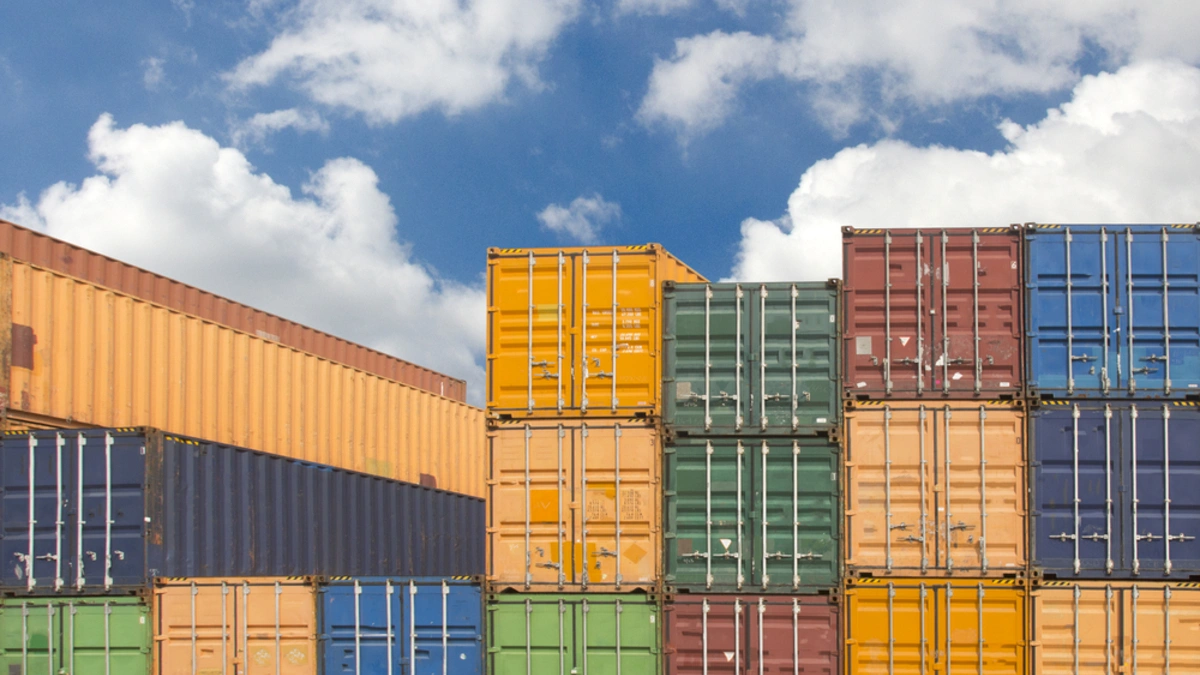
The South African Freight and Logistics Association (SAFLA) and the Road Freight Association (RFA) were present during the recent interaction between Durban Gateway Terminal (DGT) and relevant stakeholders and organisations that have operations or members processing cargo through the terminal.
Representatives of DGT and International Container Terminal Services Inc (ICTSI) were candid and open regarding challenges experienced – as well as what had been achieved in the period that Transnet had signed the agreement with ICSTI.
Whilst there are challenges, the terminal was functioning well – given the challenges experienced, and both DGT and ICTSI listened to comments from all present and noted that two processes were in place to address the operations at DGT.
One was short term: this included the waiving of all terminal storage charges whilst the current set of challenges were experienced, and secondly, there was an accelerated programme to keep the various pieces of machinery operating at the best levels of safety and functionality, as was possible. Gensets had been brought in to deal with power disruptions.
In addition, DGT acknowledged the problems with the slot booking system and already had developed a solution to vastly improve the process – this was to be shared with all shareholders in due course for comment and implementation.
DGT also brought Transnet into the meeting to address certain aspects that had placed pressure on operational efficiencies.
Long-term plans: the Terminal requires significant refurbishment and upgrading / modernising to compete with the options of other ports on the Southern African continent. Much of the equipment needed has been ordered – but there are lengthy lead times in the delivery of the equipment.
“There are immediate short-term options – such as reducing the pressure on the terminal whilst upgrades and interventions are applied. Perhaps Transnet can lower container movement tariffs (from other ports) for a period, whilst DGT is brought to the level of efficiency required. As we have noted – transporters are carrying the costs of inefficiencies,” said Gavin Kelly, Chief Executive Officer of the RFA. “Fleets are standing without bookings while fixed costs run, drivers are queuing on Bayhead Road, and every standing hour ends up in the price of goods. Slot releases must match real capacity, and truck staging must be fast-tracked now. Without trucks, South Africa stops.”
“SAFLA is delighted at the waiving of storage charges whilst the current set of challenges are being experienced,” said Dave Logan of SAFLA. “This will meaningfully ease the burden on freight forwarders and their clients, and we welcome this gesture of good faith from DGT and ICTSI.”
SAFLA and the RFA stand ready to contribute member evidence and practitioner expertise to a joint recovery task team alongside DGT, Transnet, government and other industry bodies.
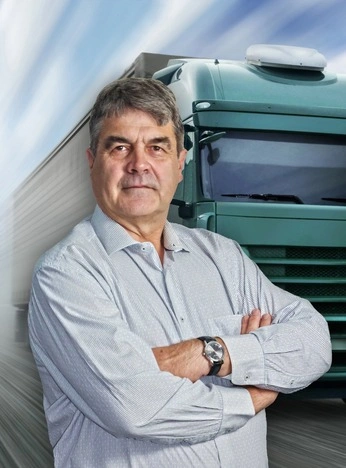
Gavin Kelly, CEO of the Road Freight Association

Dave Logan – Executive Officer of SAFLA

What More Private Investment Could Mean for South Africa’s Freight Network

Transnet Reports Progress as Rail Volumes Rise and Freight Reforms Move Forward

A Terminal in Healing: SAFLA and the RFA Acknowledge the Movement Towards DGT Efficiency


-

 Management2 months ago
SEO, AEO, GEO and SEO for AI: What Is the Difference for the Supply Chain Industry?
-

 Transport3 months ago
LDV T60 Max vs GWM P500 vs Isuzu D-Max vs Toyota Hilux vs Ford Ranger: Which Double-Cab Bakkie Offers the Best Value?
-

 Logistics3 months ago
DHL Expands Asia Pacific Data Center Logistics Capabilities to Support Growing Regional Demand
-

 Logistics3 months ago
DHL Group to invest around € 160 million in 2026-2027 to strengthen logistics infrastructure and support clean energy transition in France
-

 Logistics3 months ago
Top 5 Warehousing and Logistics Companies in the Western Cape by Google Review Rating
-

 Logistics3 months ago
Top 10 Warehousing and Logistics Companies in Gauteng by Google Review Rating
-

 Logistics2 months ago
Top 4 Lift Truck Companies in Gauteng
-

 Freight Forwarding3 months ago
The Hidden Cost of Shipping from China to South Africa — What Every SA Importer Needs to Know in 2026