Connect with us

Materials Handling

The Role of Materials Handling in South Africa’s Supply Chain

Published

on

Rare earth materials on moving conveyer

As a nation that has its highest exports based on materials such as platinum and gold as well as numerous other exports, South Africa’s supply chain plays a crucial role in supporting the country’s local economic ecosystem. Within this supply chain materials handling serves as a critical function to supporting the continued exports of products and providing jobs to many within different industries.

As we dive into this article, we will explore the specific roles of materials handling within South Africa’s supply chain and gain a deeper understanding of its impact on the country’s overall logistics and trade activities.

Facilitating trade and investment.

In South Africa, materials handling plays a critical role in facilitating trade between South Africa and countries which import its goods. As a country heavily dependent on international trade, it is vital that materials handling takes place effectively in all its key locations such as ports, airports, and border crossings. This is to ensure a smooth flow of goods between trading countries.

Having a seamless materials handling system in place is also incredibly important to the reputation and future investment in the country as if trade can be done with minimal difficulty, this positions South Africa as a fast and dependable source of trade to other countries.

Giving manufacturing and industrial operations a boost

The manufacturing sector is a key contributor to South Africa’s local economic ecosystem so much so that it contributes 12% to South Africa’s GDP. Materials handling also plays an important role in supporting and uplifting its manufacturing and industrial operations at a local level.

This can be further improved by ensuring the timely delivery of raw materials to production facilities and implementing efficient handling practices, such as accurate inventory control, proper storage, and effective transportation, enabling manufacturers to maintain uninterrupted production schedules, reduce downtime, and enhance overall productivity.

Supply Chain Integration and Collaboration

Materials handling plays a significant role in integrating and coordinating activities across the supply chain in South Africa. The collaboration between suppliers, manufacturers, distributors, and retailers is essential for smooth materials flow. Effective materials handling practices, combined with technologies like electronic data interchange (EDI) and supply chain management systems (SCMS), enable seamless communication, visibility, and coordination of activities, leading to more efficient supply chain operations and improved overall performance.

Efficiency and staying cost competitive.

Possibly one of the most if not the most important elements on this list is efficient and cost-effective materials handling. By optimising the processes or process mapping and implementing automated technologies businesses can effectively minimise the cost of labour, reduce the rate of human error and enhance productivity.

This leads to a cheaper final product and would allow South Africa to stay cost competitive in both the local and international markets. Moreover, sustainable materials handling practices, such as energy-efficient equipment and eco-friendly packaging, have the potential to contribute to environmental stewardship and align with South Africa’s sustainability goals for the future.

Conclusion

In the context of South Africa’s supply chain, materials handling plays a mixed role that impacts trade facilitation, manufacturing operations, and supply chain efficiency. By emphasising efficient handling practices, leveraging technology integration, and promoting collaboration, businesses in South Africa can enhance their competitive advantage, reduce costs, improve customer satisfaction, and contribute to the country’s overall economic growth. Recognising the importance of materials handling as a necessary core strategic function is crucial for building a robust and resilient supply chain that meets the demands of South Africa’s dynamic and diverse economy.

Continue Reading

Logistics

Why Regional Trade Isn’t as Simple as Crossing a Border

Published

on

Admin

On a map, regional trade looks straightforward. South Africa shares borders with six neighbouring countries, while the Southern African Development Community (SADC) connects businesses across a market of hundreds of millions of people. Moving goods across the region should, in theory, be one of the easiest ways for businesses to grow.

The reality is often far more complicated.

Getting a truck from Johannesburg to Gaborone or Lusaka involves much more than covering the distance. Border procedures, customs requirements, road infrastructure and transport delays all influence how quickly goods reach their destination. For many businesses, crossing a border remains one of the least predictable parts of the journey.

The Border Is Often Where Momentum Slows

A truck arriving at a border post isn’t necessarily close to completing its journey. Depending on the route, drivers can spend hours, and sometimes longer, waiting for documentation to be processed, inspections to be completed or traffic to clear.

Those delays don’t just affect delivery schedules. Vehicles remain out of service for longer, transport costs increase and businesses lose flexibility when responding to customer demand.

For companies managing time-sensitive goods or tightly planned delivery schedules, a delay at the border can quickly affect the rest of the supply chain.

Every Border Brings Different Requirements

Moving freight between countries also means navigating different customs procedures, import regulations and documentation requirements.

While many businesses work with experienced freight forwarders and customs clearing agents, cross-border trade still requires careful planning. A missing document, an incorrect tariff code or an unexpected regulatory requirement can delay an entire shipment.

As companies expand into regional markets, understanding these operational differences becomes just as important as understanding the customers they’re supplying.

Infrastructure Doesn’t End at the Port

South Africa has one of the region’s most developed logistics networks, but regional trade depends on much more than local infrastructure.

Road conditions, rail connectivity, border facilities and transport corridors all influence how efficiently goods move once they leave the country. A well-managed warehouse or an efficient port operation means little if the next stage of the journey becomes a bottleneck.

That’s why logistics businesses are increasingly looking beyond individual facilities and considering the performance of the entire transport corridor.

Opportunity Doesn’t Stop at the Border

There’s no shortage of opportunity for businesses looking beyond South Africa’s borders. Regional trade continues to grow, and agreements such as the African Continental Free Trade Area (AfCFTA) are helping create a stronger foundation for doing business across the continent.

The bigger challenge is making those opportunities work in practice. A trade agreement may make it easier to do business on paper, but goods still need to clear borders, travel along reliable transport corridors and arrive on time. That’s where logistics becomes the difference between opportunity and reality.

Regional trade will continue to evolve, but one thing is unlikely to change. Businesses will always depend on supply chains that can move goods across borders efficiently, consistently and with as few delays as possible.

Continue Reading

Logistics

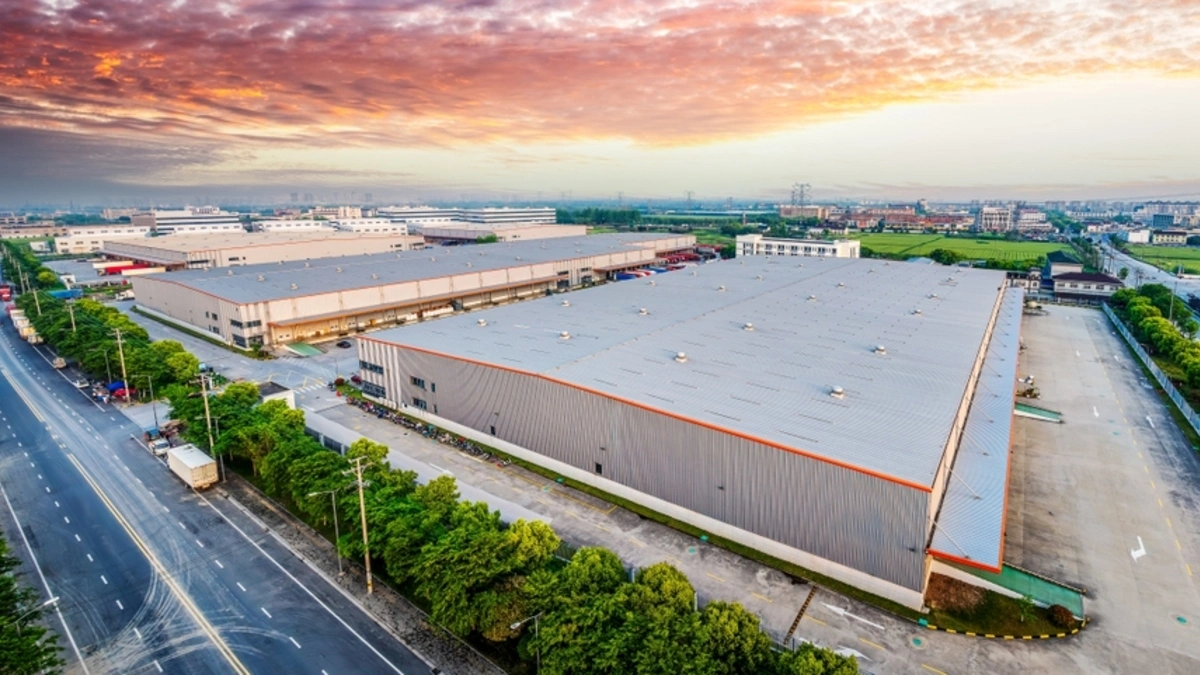
What Makes a Warehouse Efficient?

Published

on

Admin

Walk into two warehouses of a similar size and, at first glance, they may look much the same. The shelving is in place, forklifts are moving and orders are being prepared for dispatch. Spend a little more time on the floor, however, and the differences quickly become apparent. One warehouse operates with purpose, while the other is constantly working to recover from delays, misplaced stock and bottlenecks.

Efficiency isn’t simply about moving faster. It’s about creating an environment where people, processes and technology work together to keep goods moving consistently from the moment they arrive to the moment they leave. As supply chains become more complex and customer expectations continue to grow, an efficient warehouse has become one of the strongest assets a business can have.

Good Warehouse Design Reduces Unnecessary Movement

Every extra step inside a warehouse takes time. When employees have to travel long distances to retrieve stock or forklifts regularly cross paths with picking teams, productivity quickly starts to suffer.

An efficient warehouse is designed to keep movement to a minimum. Receiving areas, storage locations, picking zones and dispatch bays are arranged to support the natural flow of goods through the facility. The goal isn’t to rush people from one task to the next. It’s to remove the obstacles that slow them down in the first place.

Knowing Where Stock Is Matters

Most warehouse delays don’t start when an order is placed. They begin much earlier, when inventory records don’t match what’s actually sitting on the shelves.

Having an accurate view of stock allows warehouse teams to pick orders with confidence, replenish inventory before shortages occur and avoid unnecessary delays. Barcode scanning, warehouse management systems and regular stock checks all help create a clearer picture of what’s happening inside the warehouse, making it easier to plan ahead instead of constantly reacting to problems.

Experienced Teams Keep Operations Running

Technology has changed the way warehouses operate, but it hasn’t changed the importance of the people working inside them. Experienced warehouse teams know how to manage busy periods, solve unexpected problems and keep orders moving when the day doesn’t go exactly as planned.

Clear processes, ongoing training and good communication often make a bigger difference than people realise. Even the most advanced warehouse systems rely on teams using them effectively, which is why investing in people remains just as important as investing in equipment.

Technology Supports Better Decisions

Warehouse technology has come a long way over the past decade. What was once used primarily to record stock movements is now helping businesses understand how their operations perform throughout the day.

Warehouse management systems, real-time reporting and automated data collection give managers better visibility across the facility. Instead of waiting for problems to appear, they can identify congestion, monitor inventory trends and make informed decisions that keep operations running smoothly.

A Warehouse Is Only One Part of the Journey

An efficient warehouse doesn’t just improve what happens inside its own walls. It helps trucks load on time, orders reach customers sooner and the wider supply chain run more smoothly. That’s why warehouse efficiency is about more than storage or speed. It’s about creating an operation that businesses can rely on, even when the day doesn’t go exactly to plan.

Continue Reading

Freight Forwarding

The Growing Importance of Intermodal Transport in South Africa

Published

on

Admin

A shipment arriving in South Africa rarely reaches its destination using just one form of transport. A container might arrive by ship, travel inland by rail and complete the final leg of its journey by road before reaching a warehouse or distribution centre. It’s a process most businesses rely on without giving it much thought, but it has a name: intermodal transport.

As supply chains become more complex, moving goods efficiently is no longer about choosing one mode of transport over another. It’s about understanding how road, rail, sea and air can work together. For South Africa, where freight often travels hundreds of kilometres between ports, cities and distribution hubs, that approach is becoming increasingly important.

One Journey, Multiple Modes of Transport

Intermodal transport refers to moving goods using two or more modes of transport during a single journey, while the cargo remains in the same container or trailer. Instead of unpacking and repacking products at every stage, the container itself is transferred between ships, trains and trucks until it reaches its final destination.

The approach combines the strengths of each transport mode. Sea freight is well suited to international shipping, rail can move large volumes over long distances and road transport provides the flexibility needed to collect and deliver goods almost anywhere in the country.

Why it Matters in South Africa

South Africa’s freight network stretches across thousands of kilometres, connecting ports, industrial centres, warehouses and retail hubs. Imported goods arriving in Durban or Cape Town often need to reach businesses in Gauteng, while agricultural exports from inland provinces make the journey in the opposite direction before leaving the country.

No single mode of transport can efficiently handle every stage of those journeys. Intermodal transport allows logistics providers to use each network where it performs best, creating a more connected and efficient supply chain.

Building More Efficient Supply Chains

Moving freight across South Africa rarely goes exactly to plan. Delays at a port, road closures or disruptions on the rail network can quickly affect the rest of the journey, forcing logistics providers to rethink how goods reach their destination.

Using different modes of transport gives businesses more options when those challenges arise. Instead of relying on a single route, they can adapt their transport plans and keep freight moving with as little disruption as possible.

Connecting Transport Through Technology

Keeping freight moving across several transport networks depends on good communication. Warehouse teams, transport operators and customers all need to know where shipments are and when they’re expected to arrive.

Digital tracking, transport management systems and electronic documentation have made that much easier. With better visibility across the journey, businesses can respond more quickly to delays, keep customers informed and make day-to-day transport planning far more straightforward.

Looking Beyond a Single Mode of Transport

The most efficient supply chains don’t rely on just one way of moving goods. Road, rail, sea and air each solve different transport challenges, and together they create a stronger, more connected logistics network.

As South Africa’s transport infrastructure continues to evolve, businesses are looking beyond individual transport modes and focusing on how they work together. Choosing the right combination often makes a bigger difference than choosing the fastest route alone.

Continue Reading

ADVERTISEMENT

Random Image
Advertisement

Trending