The Minister of Finance has noted that they will use “higher than anticipated revenues” – which were generated through taxes, levies and all other manner of government revenue generation – to rescue a number of State-Owned Enterprises (SOEs) that are failing, bleeding capital, or are just not doing what they need to be doing.
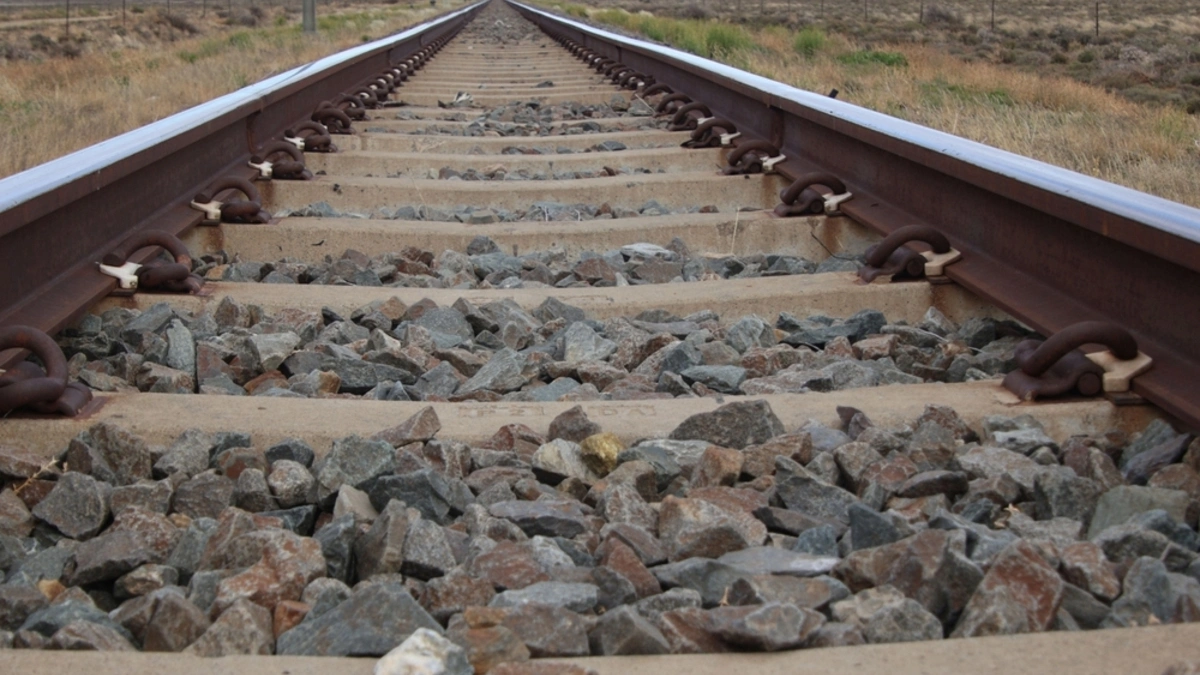
Whilst we welcome the move to give Transnet badly-needed funding to repair, re-design or re-build vital pieces of infrastructure and equipment (ports, railways and related equipment for efficient operations), there is concern that the “usual suspects” have once again received “bailouts”.
However – “the funding impasse” of the Gauteng Freeway Improvement Plan (GFIP) (commonly referred to as ‘e-tolls’) has had an interesting twist. The Gauteng Provincial Government has agreed to contribute 30% to settling SANRAL’s debt and interest obligations, while national government will cover the remaining 70 %.
Does that mean it’s paid off now? There is no debt? Zip? Nothing? No need for the e-toll system then?
Ahh – but wait! Evidently, “Gauteng will also cover the costs of maintaining the 201 kilometres and associated interchanges of the roads and any additional investment in road will be funded through either the existing electronic toll infrastructure or new toll plazas, or any other revenue source within their area of responsibility.”
There we have it: e-tolls are not going. In fact, there may even be more gantries – or higher vehicle licence fees (in Gauteng only), or some other smart/ingenious way to charge for the “costs of maintaining” – the reference to “any other revenue source within their area of responsibility” being the key statement here.
However, the reality is that those who have not paid and refuse to pay will not suddenly pay now for maintenance. How will government ensure that they pay now? They still owe and government hasn’t tried to collect the default. Why would it suddenly work now (with the possibility of “new toll plazas”)?
Scrap the system ! It’s being “paid off” now anyway. Any new developments get paid cash through the fuel levy system. Stop using the fuel levy for other things saving other SOEs comes to mind.
Whilst we ponder this one – some good news! It seems like the Minister is beginning to listen to endless comments, lobbying and interaction from the road freight sector:
The Economic Regulation of Transport Bill was passed. This should establish an independent transport regulator which will pave the way for greater competition and enable regulated access to the network – as long as private businesses are not punished for being efficient and competitive.
We need to understand what the Regulator really means for private business. It’s all fine for ensuring decent pricing in monopoly systems (like public transport systems, Eskom, water supply, etc, landing or berthing facilities in our government operated facilities, ensuring that there are no huge/unrealistic increases in tariffs by any authority in the transport world). But it doesn’t work for private business where competition, innovation and efficiencies are at play.
No amount of argument or discussion must ever allow price-fixing/setting within the private (business) sphere.
Then there is better news:
Third-party access to the freight rail network is being seriously considered – and perhaps there will actually be movement now.
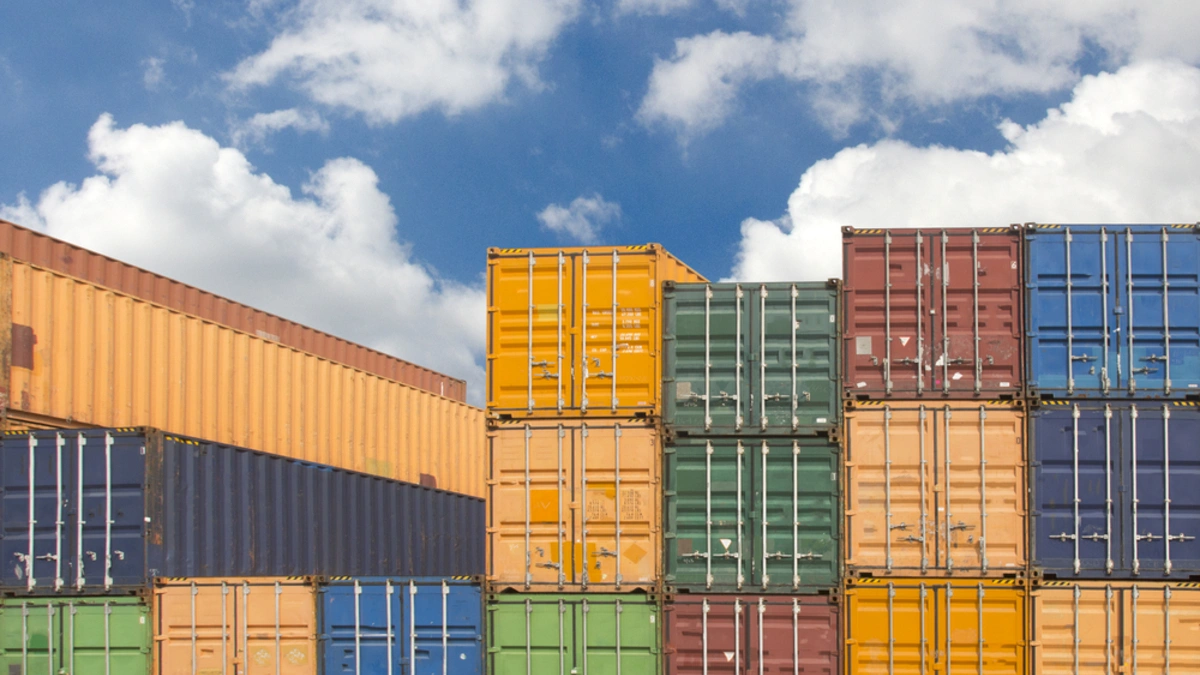
Private-sector partnerships for the Durban Pier 2 and Ngqura container terminals (which the Road Freight Association has been calling for – for at least the last 10 years), is also now on the cards.
Allocations to the SAPS to increase capacity to deal with crime.
Processes and structures in place to deal with white-collar crime and corruption.
Funding for critical infrastructure
However, there are some glaring omissions:
Government needs to ensure we can release ourselves from fossil fuel (in this case oil) dependency. Now is the time to support, fund, develop and grow alternative energy systems. Locally developed, manufactured and supported.
Use of our great coal resources to implement short to medium term energy solutions. There are very clean and green methods around the world that can be implemented. But our largest resource – sun/solar – needs to be developed and expanded as quickly as possible. This requires funding.
Water security – along with food security – will (like the solar development) create the millions of job/employment opportunities that our country needs.
There was a greater expectation (perhaps in the form of a very loud bang) to the end of e-tolls. It didn’t happen. Is there a lesson to be learned from this?
Infrastructure that is of common good to the whole country, the economy, the development of society and upliftment of South Africa, needs to be developed at a cost shared by all South Africans – at the cheapest, least expensive and least intrusive means possible.
There is much potential in this speech – yet there is much we as South Africans require from our leaders in terms of direction. In terms of development. In terms of growth.
By Gavin Kelly – CEO of the Road Freight Association
Two leaders at global logistics pioneer DP World are announced as keynote speakers for the Global Cold Chain Alliance (GCCA) African Cold Chain Conference in Johannesburg, taking place September 2-3, 2026.
DP World operates in every continent of the globe, employing more than 126,000 people from 169 nationalities, powering international trade through a range of solutions including cold chain logistics across ocean, air, road and rail. William Sears, Chief Commercial Officer Logistics for Africa at DP World; and Mohammed Mahomedy, Head of Infrastructure and Rail for Africa at DP World, will take to the conference main stage on September 3 to share their insights into DP World’s approach to integrated logistics at scale in practice.
William Sears has over 20 years’ experience in logistics and supply chain optimisation across a range of industries and disciplines. Having joined South African logistics business Imperial in 2010, William was appointed to DP World leadership following Imperial’s acquisition by the global business in 2022.
Mohammed Mahomedy leads DP World’s development of the company’s rail and ports integration strategy across the African continent. He is responsible for identifying strategic opportunities that support the expansion of DP World’s presence across the broader logistics value chain in line with its long-term objectives in Africa.
The GCCA African Cold Chain Conference will bring together temperature-controlled logistics businesses and partners from across the continent to examine the industry’s most pressing challenges and exciting opportunities, exploring the theme of ‘It’s Time for Dialogue: Exploring Progress, Priorities, and Partnerships’. The event includes an outstanding program of renowned speakers, panel discussions, networking receptions and a high-quality exhibition. Find out more and register at www.gcca.org/events/gcca-african-cold-chain-conference.
GCCA Senior Vice President Global Market Engagement Adam Thocher said: “I am delighted that DP World’s William Sears and Mohammed Mahomedy will be sharing their insights and experiences on the crucial topic of integrated logistics at scaleas the keynote speakers at the 2026 GCCA African Cold Chain Conference. Temperature-controlled logistics operations are expanding throughout the continent:connecting Africa’s cold chain and investing in associated infrastructure will be fundamental to Africa’s future food resilience and global trade opportunities. The GCCA conference is creating a unique forum for cold chain operators and partners to discuss the food supply chain’s challenges and opportunities at national and global levels.”
The two DP World leaders will be joining an outstanding line-up of expert speakers at the conference, including:
Brent Melvin (General Manager RSA Logistics Dubai) sharing experiences of the cold chain’s response to extreme disruption in the Middle East
Dr. John Deng Diar Diing (Executive Secretary of the Northern Corridor Transit and Transport Coordination Authority), discussing regional corridors as catalysts for intra-African trade
Dr. Newton Matope (CEO of Cold Solutions Kenya and GCCA Africa Chairman), exploring the temperature-controlled logistics industry in the continent, and
Sara Stickler (President & CEO, GCCA) and Adam Thocher (Senior Vice President, Global Market Engagement, GCCA) on GCCA’s priorities and action in Africa.
As SAPICS celebrates 60 years of impact in 2026 under the theme “Legacy to Leadership: 60 Years of Connection, Collaboration & Transformation,” South African supply chain executives face an urgent call to action.
With soaring road freight volumes, warehouse occupancies topping 85%, and compounding rental hikes, local leaders rushing to automate frequently fall into a costly trap. While modern warehousing technology can greatly assist in slicing operational costs and slashing inventory losses, investing heavily in off-the-shelf systems without addressing underlying operational bottlenecks often amplifies the chaos rather than solving it.
True leadership requires recognising that technology is not a standalone silver bullet; transformation happens when advanced process design meets a flexible, digitally prepared workforce.
Why More Technology Doesn’t Always Mean More Progress
When margins shrink, the instinctive corporate reflex is to slash headcount or purchase an automated tool because a competitor did. However, automating a broken process simply yields an automated mess.
“A lot of technology is available off the shelf, and it is dangerous to buy something you don’t thoroughly understand,” warns Willie du Preez, Managing Director of Programmed Process Outsourcing (PPO). “If you don’t understand where your operational bottlenecks are, you will introduce the wrong technology.“
Du Preez notes that real return on investment (ROI) stems from a deep diagnostic phase. This means utilising industrial engineering to map workflows and eradicate systemic friction before buying hardware. Without this groundwork, companies end up with fragmented patches instead of a unified ecosystem, losing critical institutional knowledge.
Furthermore, traditional data tracking compounds this vulnerability. “After-the-shift or month-end information has become obsolete,” Du Preez stresses. “We need real-time data frameworks to make decisions proactively before bottlenecks disrupt the entire chain.“
The Business Case for What Doesn’t Appear on the Balance Sheet
Optimising a warehouse requires looking far beyond obvious hardware and immediate software implementation costs. True operational leadership requires a comprehensive evaluation of regulatory complexity, strategic risk, and financial agility.
“When an organisation conducts a deep cost-benefit analysis, the ‘invisible’ levers of outsourcing become undeniable,” explains Jeandie Leone, Commercial Executive at Workforce Staffing and Outsourcing. “A strategic partner doesn’t just manage transactional headcounts; they absorb significant balance-sheet liabilities. For instance, compliant employers in South Africa must navigate complex regulatory requirements, spending 1% of payroll on Skills Development Levies and up to 6% on continuous training. In outsourcing key components of your workforce, these administrative and training burdens shift entirely to the expert partner.“
Leone emphasises that this strategy fundamentally transforms how human capital impacts corporate finances. “Labour is traditionally one of the highest flat operational expenses (OpEx) for most logistics businesses, yielding zero return on scorecards. Outsourcing allows companies to route this heavy spend through a fully compliant partner, converting a standard operating cost into powerful preferential procurement spend for their B-BBEE scorecard.“
Furthermore, Leone highlights immediate cash flow advantages. “In high-volume environments, managing internal payrolls places immense pressure on working capital. Partnering with an provider that offers standard 30-day payment terms effectively allows a business to defer massive payroll expenses for that period, interest-free. This frees up vital cash flow to reallocate into core technological infrastructure.“
The Strategic Power of Operational Convergence
Even with engineered processes and real-time dashboards, technology remains inert without the people trained to pilot it. In South Africa’s high-attrition warehousing environments, the traditional model of renting generic labour on one side and managing operations on the other is no longer viable. To maintain operational continuity and protect margins, supply chains must merge Temporary Employment Services (TES) and Business Process Outsourcing (BPO) into a singular, symbioticoperating model.
“The relationship works best when both parties are intertwined within the exact same operating solution for the client,” explains Quintus Sliep, Managing Director of Worldwide Staffing. “The TES partner delivers workforce agility by sourcing, onboarding, and scaling compliant personnel as volumes shift. Concurrently, the BPO partner injects the process structure, productivity metrics, and management control that allow that workforce to perform properly.“
When these two disciplines operate in isolation, operations fracture. Integrated, the client receives a scalable solution that maintains strict process discipline during volatile demand spikes.
Leone concurs, adding a regulatory and risk perspective: “Outsource partners bring dedicated legal and operational expertise needed to handle industrial relations, recruitment pipelines, and time and attendance. This ensures absolute continuity, leaving the client’s internal teams free to focus strictly on macro supply chain strategy.“
Bridging the Digital Skills Gap
This integrated approach is critical to addressing one of the industry’s most pressing operational challenges: preparing workers for increasingly digital environments. In modern, data-driven warehouses, traditional once-off classroom training is no longer enough. Software platforms evolve continuously, compliance requirements shift rapidly, and scanning and automation systems are updated in real time.
“We shouldn’t talk about automation or robotics purely as job threats; they support people rather than replace them completely,” says Sliep. “The bigger risk is the skills gap between where operations are going and where the workforce is today. The TES provider must prepare people for the environment, and the BPO must manage that environment so workers can use technology productively.”
Closing this gap requires ongoing collaboration between workforce enablement and operational management. Together, TES and BPO partners create continuous learning environments that equip workers to adapt alongside technology rather than be displaced by it. The result is a more resilient, digitally capable workforce able to engage confidently with evolving systems, workflows, and operational demands.
Operational resilience depends on aligning technological progress with human capability. As du Preez concludes, “Technology alone does not drive transformation; people and their knowledge do.”
Every day, FedEx connects people, businesses and communities through its global network. While that network is best known for moving packages around the world, its impact extends beyond commerce. The same expertise that helps keep supply chains moving can also help connect communities with the resources, opportunities and support they need to thrive.
Across South Africa, community organisations are working to address local challenges and expand opportunities for young people. Their impact, however, depends not only on funding and commitment, but also on the ability to reach people consistently and effectively. From delivering essential resources to bringing together volunteers and community partners, logistics plays an important role in turning good intentions into meaningful action.
“Social impact does not happen in isolation,” says Nelson Teixeira, Managing Director of Operations for Sub-Saharan Africa at FedEx. “Whether it’s supporting youth programmes, enabling volunteers or helping organisations reach underserved communities, reliable logistics plays an important role in making that impact possible.“
Through FedEx Cares, the company’s global community engagement programme, FedEx works alongside nonprofit organisations, customers and team members to help strengthen communities, create opportunities for young people and inspire employee volunteerism. In South Africa, this commitment comes to life through initiatives that reflect the spirit of Mandela Day – bringing people together to make a meaningful difference through collective action.
One example is FedEx Play Parks, delivered in partnership with Kids Collab. The initiative expands access to safe, inclusive and structured play spaces for children in underserved communities, helping support physical development, social wellbeing and stronger social connections.
Complementing this effort, FedEx Day of Play brings together children, community organisations and FedEx volunteers through activities that encourage participation, play and connection. As part of the company’s Mandela Day activities, it reflects FedEx’s commitment to creating positive experiences that leave a lasting impact.
FedEx also supports organisations such as Sporting Chance, whose Street Soccer Programme uses sport to promote youth development, life skills and social inclusion. Together, these initiatives help create environments where young people can build confidence, develop new skills and realise their potential.
“Collaboration is essential when it comes to addressing complex social challenges,” says Teixeira. “Community organisations bring local knowledge and trusted relationships, while businesses can contribute skills, resources and operational expertise. When these strengths come together, it becomes possible to create initiatives that have a broader and more lasting impact.“
That spirit of collaboration is reflected in the commitment of FedEx team members, who volunteer their time and expertise alongside community organisations throughout the year. Their involvement demonstrates that creating meaningful impact is not only about investment, but also about showing up, contributing and supporting the communities where they live and work.
As South Africa continues to create new opportunities for young people and strengthen community wellbeing, collective action will remain essential. Through FedEx Cares, FedEx remains committed to using its people, expertise and global network to help create opportunities, strengthen communities and deliver lasting social impact.
“At its core, logistics is about connecting people with possibility,” concludes Teixeira. “When those connections help young people access new opportunities and strengthen the communities around them, we see the impact that is possible when we work together.“