Connect with us

Press Releases

Beyond the distribution centre is the last mile centre

Published

on

Distribution Centre near roadside

The global retail industry is undergoing a revolution. The retail supply chains of today, traditionally consisting of large distribution centres (DCs) will have had to shift to accommodate a reimagined customer with much greater expectations.

Long before the Covid pandemic began, DCs were being built in major South African cities to deliver products to retail stores where customers shopped. This often meant big box warehousing with well over 100 000 square metres to provide warehouse space for retailers such as Shoprite, Woolworths, Foschini and Dischem where they could stock sufficient inventory to meet surging customer demand. In a world of increased online shopping and disrupted supply chains and delivery times, many DCs are filled to the brim and some are running out of space. The question of whether this is a cyclical trend or a structural trend is perplexing warehouse owners.

A recent announcement by the online retail giant, Amazon, that it has too many sheds after doubling its warehouse space during the pandemic has prompted a challenging new reality, hand wringing and sharp reaction from investors. When Amazon informed the market that it intends to reduce its footprint of leased industrial space by as much as 3 million square metres, the share prices of many logistics warehouse owners tanked.  For many real estate investors, the question is whether Amazon is the only user with excess warehouse needs in the current environment?

Another trend that distribution centre owners need to deal with is an environment where a higher prevalence of e-commerce shopping, higher customer expectations regarding delivery speed, and the delivery of goods to end-user consumers are forming part of complex logistics challenges far beyond what central DCs are currently set up to deliver on their own.

Retailers are increasingly thinking outside the (big) box to reimagine supply chains that can serve customers directly and rapidly. This means new models for retail-fulfilment operations that include using space within shops and smaller last-mile delivery depots in the neighbourhood. In the US  real estate logistics suppliers are changing their logistics strategies to follow end-user online consumer demand. suit. For example, logistics real estate giant Prologis’s offer to acquire a portfolio of more than 1 700 last-mile logistics warehouses held by Blackstone’s Mileway for $23.1 billion is a shift in strategy to own the full logistics real estate ecosystem.

Logistics in a South African context

In South Africa, where e-commerce has also boomed since the Covid-19 lockdown period, many retailers have used their existing retail locations to build operations that serve omnichannel customers better. But using current retail space as mini-DCs comes with the high cost of retail rental space and far higher operating costs than warehousing. This is often the only option because this space allows retailers to remain closer to customers demanding decreased delivery time at a lower price.

Although there is a wide spectrum of operating models that retailers can choose from to build fulfilment capability in-store, for example, repurposing the back-of-house or dedicating space to house a packing and shipping room with lean operations, the challenge for retailers using their stores as mini DCs is that they need to keep a lot more products in-store to fulfil the customer’s need for immediate delivery. This means retailers must be able to analyse market data to improve forecasts for stock keeping units (SKUs) with strong omnichannel demand, be able to determine the optimal cadence for replenishing products to mitigate the need to redirect inventory at the end of a life cycle and build rules to route customer orders to optimal store nodes.

Other challenges include hiring more staff for in-store fulfilment with specific fulfilment-focused profiles or automation experience and major adjustments to the store’s operating hours based on a revised fulfilment model. Fulfilment from the sales floor occurs during business hours and has the added benefit of having more associates present to interact with customers during busy periods. An expanded mini-DC operation may require extended operating hours (for example, 16 to 24 hours) depending on the volume of orders being filled.

The rise of last-mile fulfilment

For retailers that cannot meet the requirements to set up an in-store fulfilment operation, there is a pressing need to move beyond the four walls of retail stores and find solutions that allow them to continue operating in today’s retail landscape. This is where last-mile real estate comes into play.

Last-mile delivery real estate has become increasingly important since the pandemic’s start due to the explosion in e-commerce resulting in the exponential growth of business-to-consumer (B2C) deliveries.

Although pandemic booms have slowed down across the economy, including sectors such as food delivery and fintech, corporate scepticism around the need for more large DCs is growing and major retailers are considering whether they overestimated how quickly their first-mile warehouse needs will increase. This is a bad combination for big-box warehouse shares. Prologis shares have been down about 37% since late April, and they fell another 8% recently.

According to the Wall Street Journal, Ikea, the Swedish furniture giant is doubling down on its fulfilment capabilities by investing over $3 billion to revamp the company. This overhaul will include transitioning up to 40% of its existing big-box suburban locations into smaller last-mile distribution centres for online orders. By redistributing how their space is utilised, the company hopes to optimize their real estate portfolio and bolster their delivery capabilities instead of increasing the footprint of existing stores.

The last mile of the delivery chain is proving to be the most valuable one for industrial properties. Facilities that can accommodate the ever-evolving demand of retailers for much quicker deliveries are proving to be the downfall of the big-box warehouse and opening new doors of opportunity for reimagined last-mile logistics solutions.

Continue Reading

Logistics

Transnet Implements Urgent Measures to Reduce Durban Gateway Terminal Backlogs

Published

on

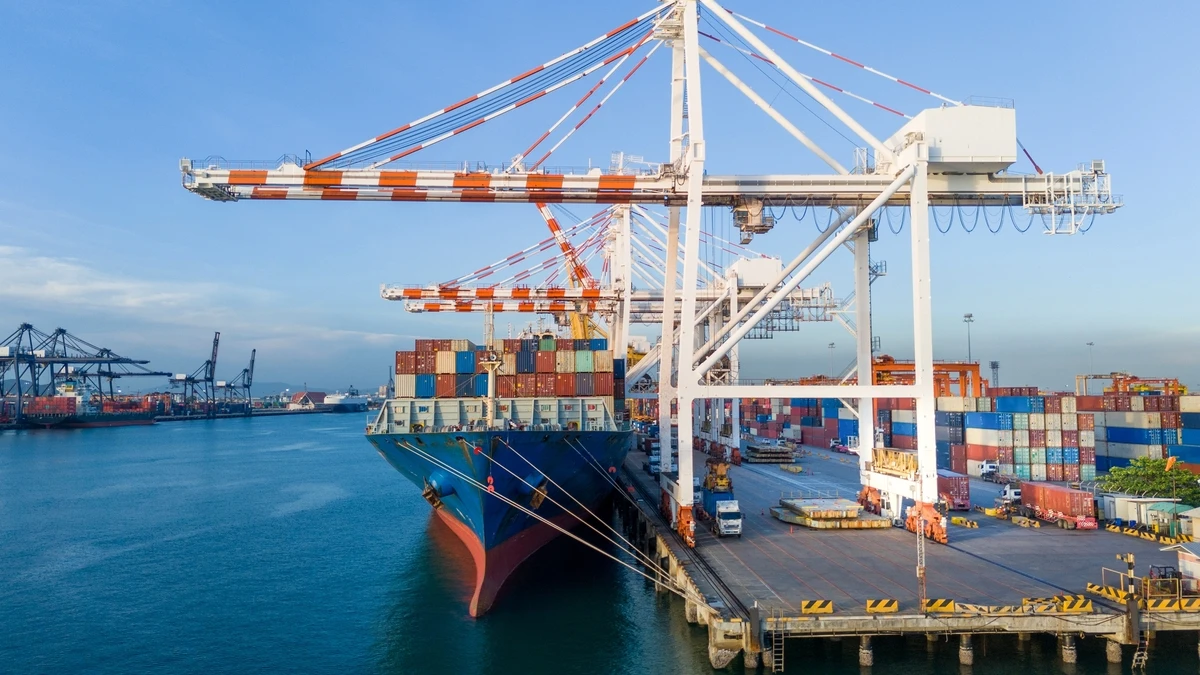
Cargo container ship docked at a shipping port.

Transnet is implementing a series of urgent interventions to reduce congestion at Durban Gateway Terminal (DGT), following operational challenges that have affected shipping lines, cargo owners and the wider logistics value chain.

The measures, announced in a media statement on 18 November 2026, are being coordinated with Durban Gateway Terminal and aim to increase available capacity, improve vessel evacuation and progressively reduce the backlog at the Port of Durban.

Transnet says the situation is being monitored at senior leadership level, with several interventions targeting both vessel movements and the evacuation of cargo from the terminal.

Additional Berthing Capacity and Vessel Diversions

One of the immediate measures involves making Berth 102 available at the Port of Durban to accommodate geared vessels for direct cargo discharge.

Transnet National Ports Authority (TNPA) has dedicated the berth to provide additional capacity and encourage shipping lines to divert suitable vessels away from congested operations.

The intervention also supports the diversion of vessels to the Ngqura Container Terminal (NCT), where Durban-bound containers can be discharged before being transferred by smaller geared vessels to Berth 102 and the Point Terminal.

Transnet Port Terminals (TPT) and DGT are coordinating the identification of suitable vessels for diversion to Ngqura, with the additional berth expected to strengthen this arrangement.

Pier 1 to Receive Additional Crane Capacity

Transnet is also working to increase handling capacity at Pier 1 through the return of ship-to-shore (STS) cranes from long-term refurbishment.

The final crane is scheduled for commissioning on Friday, 20 November, before being handed over to operations on Saturday, 21 November. This will bring all six cranes into operational availability at the terminal.

Additional crane availability is expected to support cargo handling and contribute to reducing the vessel backlog.

Transnet also assessed whether equipment could be transferred from other terminals to DGT. However, Cape Town Container Terminal and Cape Town Multi-Purpose Terminal are currently unable to release equipment because of their requirements during the peak deciduous fruit export season.

The company says it will continue reviewing opportunities to optimise equipment deployment across its network.

Rail Services to Help Clear Import Containers

Alongside the measures targeting vessel movements, Transnet Freight Rail (TFR) has made trains available to evacuate imported containers destined for Gauteng.

This provides another option for moving cargo away from the port and reducing pressure on landside operations.

Transnet is encouraging industry participants to make use of the available rail services to support the evacuation process.

The company is also prioritising essential cargo, including pharmaceuticals and automotive parts, before vessels berth to ensure these goods receive priority evacuation from the terminal.

Coordinating the Recovery of Port Operations

Transnet acknowledges that resolving the backlog will require continued coordination between terminal operations, TNPA, TFR, shipping lines, customers and other stakeholders.

The interventions highlight the importance of addressing congestion across multiple stages of the port operation. Additional berthing capacity and crane availability can support vessel handling, while rail services and cargo prioritisation help move containers away from the terminal.

For importers, exporters and manufacturers, the effectiveness of these measures will be important in restoring more predictable cargo movements through Durban.

Transnet says it will continue providing updates to key stakeholders as the interventions progress, with the aim of restoring operational performance as quickly and sustainably as possible.

Article adapted from a media statement issued by Transnet SOC Ltd.

Continue Reading

Logistics

Silly Season Can Lead to Serious Logistics Challenges

Published

on

Festive freight truck in front of a warehouse preparing for the festive shipping.

As the year draws to a close, the festive rush is not only felt in shopping centres and on the roads. Behind the scenes, global supply chains are gearing up for one of their busiest and most demanding periods of the year. For businesses moving goods across borders, the silly season can quickly become a serious logistical challenge.

There is something about the final few months of the year that seems to put everything into overdrive. Businesses are trying to meet annual targets, retailers are building up stock ahead of the festive season, manufacturers are working to fulfil outstanding orders, and consumers expect products to arrive on time. Everyone is working against the clock, and the pressure to get goods from one place to another increases significantly.

For the logistics industry, this translates into a substantial increase in demand across road, air and sea freight networks. More shipments are competing for available capacity, ports and terminals experience higher volumes, and transport schedules become increasingly difficult to manage. Even with careful planning, delays can become more frequent as the industry approaches the end of the year.

However, seasonal demand is only part of the picture.

Global supply chains are already navigating a complex operating environment. Geopolitical tensions, changing trade regulations, fluctuating fuel costs, infrastructure constraints and extreme weather events continue to influence the movement of goods worldwide. From severe storms affecting shipping routes to congestion at major ports and unexpected disruptions to transport infrastructure, these challenges can have consequences far beyond their immediate locations.

When these existing pressures coincide with the year-end surge, the impact can be amplified. A vessel arriving behind schedule, a missed connection, limited warehouse capacity or a delay at a border crossing can create a ripple effect throughout the supply chain. What begins as a relatively small setback can ultimately affect production schedules, inventory availability and customer commitments.

According to Craig du Toit, Director at RSA Global, the challenge lies in managing multiple pressures at once, particularly when businesses are working towards fixed deadlines.

“Businesses often spend a great deal of time planning their sales targets and production schedules, but logistics needs to be part of those conversations from the beginning. You can have the right product, the right customer and the right commercial opportunity, but if the supply chain cannot support it, the entire process is affected. Logistics should not be something businesses scramble to organise at the last minute. It needs to be considered well ahead of time.”

The Cost of Leaving Logistics Until the Last Minute

One of the biggest mistakes businesses can make during this period is underestimating just how early the year-end rush begins. By the time December arrives, capacity on popular routes may already be limited, schedules may have changed and alternative transport arrangements can become more difficult or expensive to secure.

Waiting until the last minute to arrange shipments can leave businesses with fewer options. It can also mean paying a premium for urgent transport or having to make compromises on delivery timelines.

The consequences are not limited to freight costs. For a manufacturer waiting on critical components, a delayed shipment could interrupt production. For a retailer, stock arriving after the peak shopping period may mean lost revenue. For businesses with international customers, unreliable delivery timelines can affect relationships and future opportunities.

The lesson is that logistics should not be treated as an afterthought or something to address only when a shipment needs to move. It needs to form part of broader business planning, particularly during periods of increased demand.

Preparing for the Pressures of Peak Season

While no logistics provider can eliminate every external disruption, businesses can take practical steps to reduce their exposure to unnecessary delays and costs. A proactive approach to planning, combined with the ability to adapt when circumstances change, can make a significant difference during the year-end rush.

Early bookings are essential to securing freight capacity before demand peaks, while accurate forecasting allows businesses to anticipate upcoming shipping requirements based on sales projections, production schedules and historical demand. Businesses should also build realistic lead times into their schedules, allowing additional time for international freight movements, customs clearance and connecting transport services.

Preparation should extend beyond the shipment itself. Reviewing inventory levels can help businesses identify critical stock, prioritise essential replenishment orders and avoid last-minute shipping requirements. Ensuring that all shipping and customs documentation is accurate and ready in advance can also help prevent unnecessary delays. Businesses should factor in supplier closures, reduced operating hours and holiday schedules when planning their movements.

Flexibility is equally important. Depending on the shipment, exploring alternative routes, transport providers or freight modes may help businesses navigate capacity constraints. Having access to road, air and sea freight solutions allows for a more considered approach when circumstances change. Businesses should also consider contingency arrangements, such as alternative suppliers or routes, rather than relying entirely on one transport option.

For Francois Coetzee, Director at RSA Global, the ability to adapt is becoming an increasingly important part of effective supply chain management.

“Businesses cannot always control what happens across global trade routes, at ports or at border crossings. What they can control is how prepared they are to respond. That means working closely with logistics partners, communicating expectations early and understanding where potential pressure points may arise. The businesses that navigate this period most effectively are often those that have allowed themselves some flexibility rather than planning every shipment around a best-case scenario.”

He adds that communication should remain a priority throughout the process. Regularly monitoring shipment progress and maintaining an open line of communication with logistics partners allows businesses to identify potential delays, understand available alternatives and make informed decisions before disruptions affect their operations.

Keeping Perspective During the Year-End Rush

The silly season is unlikely to become any less busy. In fact, as global trade becomes increasingly interconnected, disruptions in one part of the world can have implications for businesses thousands of kilometres away. This makes supply chain visibility, contingency planning and strong logistics partnerships more important than ever.

For businesses, the objective should not simply be to move more goods before the year ends, but to move them as efficiently and reliably as possible while managing the risks along the way.

At RSA Global, the focus is on helping businesses navigate these changing demands through coordinated freight solutions, practical logistics expertise and an understanding of the challenges involved in moving goods across local and international markets.

Because while the silly season may be about getting everything done before the holidays, the logistics behind it are serious business.

Continue Reading

Press Releases

Only 10% Fully Prepared for Water-related Supply Chain Risks in Africa, ACCA Research Finds

Published

on

Portrait of Evelyn Isoye photographed by George Okoro.

Weatherproof supply chains essential for business resilience, say finance professionals

Extreme weather is putting supply chains under greater pressure – but organisations are slow to respond, says the latest research from ACCA. In the week before the United Nations Climate Change Conference (COP 31) the report, Weather proofing your supply chain, finds a significant preparedness gap and shows how climate, water, resource and human-rights risks are moving into mainstream business decisions.

Although extreme weather can disrupt production, transport, labour and access to critical resources, the research found that only 10% of Africa respondents described their organisations as fully or very prepared for water-related supply-chain risks. 22% of respondents in Africa selected water scarcity or availability constraints as the single biggest water-related challenge for their organisation.

The findings highlight a growing challenge for organisations: risks that may begin with weather, natural resources, suppliers or working conditions can ultimately affect production, costs, cash flow and business continuity.

Evelyn Isioye, Regional Lead Policy & Insights – India and Africa at ACCA, said, “For finance professionals, the opportunity is to turn those signals into decisions — helping organisations understand where exposure sits, what it could mean financially and where earlier action can strengthen resilience. Better visibility creates more time to act and earlier action can help organisations adapt to changing conditions and build stronger, more sustainable supply chains.“

The global survey of around 500 ACCA members also found that, among the sustainability-related risks assessed, respondents in Africa rated them as having a high expected financial impact on their organisations supply chain as follows:

  • resource and materials scarcity 80%
  • physical climate risks at 77%
  • transition risks at 73%
  • supply chain governance and due diligence requirements 72%.

The research points to a persistent challenge: organisations may recognise the risk without being sufficiently prepared to respond. To address this, the report identifies five ways that organisations can move from recognising risk to acting earlier:

  1. Understand critical suppliers, locations and resource dependencies
  2. Test supplier information rather than relying on declarations alone
  3. Use scenarios and early-warning information to anticipate disruption
  4. Consider the potential cost of inaction alongside the cost of resilience
  5. Connect sustainability evidence with procurement, investment, controls and governance

Notably 41% of Africa respondents selected better risk prediction and early warning as the most important benefit of AI and digital tools for sustainable supply chains.

Explore the findings of the research here.

Evelyn Isioye added: “The role of accountants is increasingly expanding to cover these and other sustainability risks, part of a wider redefinition of the profession. Sustainability has always been part of the ACCA Qualification, but we’re stepping that up next year when we introduce our redesigned qualification where it’s integrated at every level.”

Continue Reading

Trending