Logistics
India to Africa: Getting Cumin Shipments Right From Port of Loading to Warehouse
By Abhishek Yadav, Gadin Exports
I have always loved cooking, and spices were the part of the kitchen I was most curious about. When I decided to start my own export business, cumin was an easy choice. It sells in high volumes, people use it every day so demand does not go away, and it is grown close to where I am in India. Today I run Gadin Exports and work as a cumin exporter in India, sourcing from the Unjha market in Gujarat.
I have shipped cumin to Ghana and I am now working to build more buyer relationships across Africa. Africa is a big opportunity for Indian spices, and most of the cumin used across the continent comes either directly from India or through traders in the UAE. Here is what I have learned so far about getting a cumin shipment right, from the time it leaves the warehouse in India to the time it reaches the buyer.
Start With the Right Grade
Most African buyers I speak to ask for Singapore 99 grade cumin seeds (I have explained the main cumin seed grades in more detail separately), machine cleaned, with moisture below 10%. Singapore 99 means the seeds are 99% pure, with up to 1% impurity. This is a practical grade for the African market because it balances quality and price well.
Higher grades like Europe 99.5 or sortex cleaned are available, but they cost more, and in my experience most African importers do not ask for them unless they are supplying a premium customer.

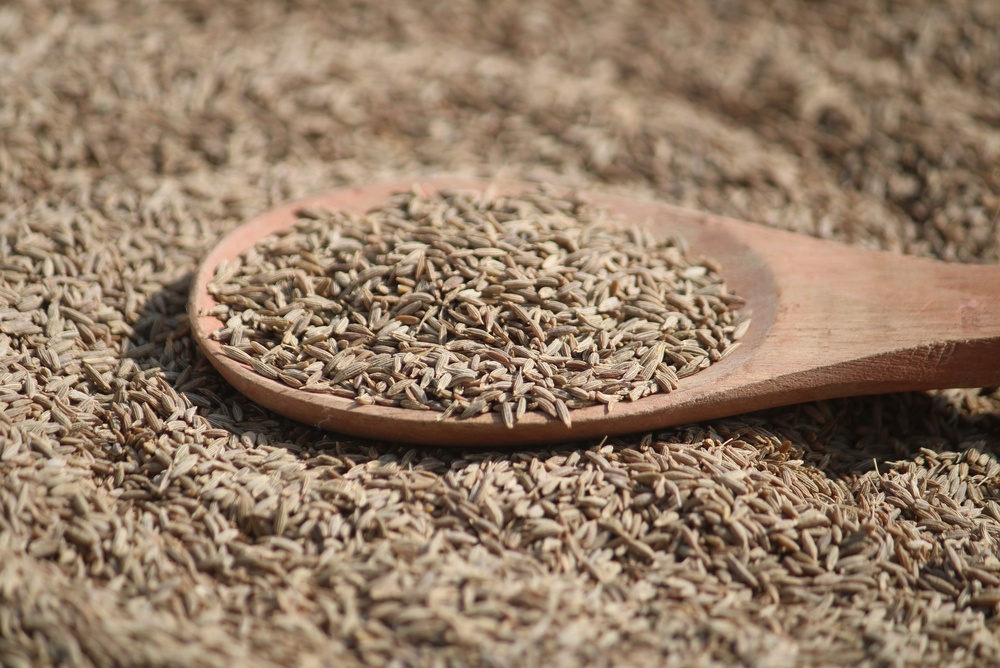
The other thing buyers ask about early is packaging. We offer 25 kg and 30 kg PP bags, and most customers prefer 25 kg. The bags are easier to handle at the port and in the warehouse, and they suit the way distributors break up the stock for smaller buyers.
How I Source and Check Quality
I go to Unjha myself. When I visit my supplier, I check the latest lot and the lab test report before I agree to anything. I do not want to rely only on what someone tells me over the phone. If the lot does not look right or the report is not clear, I do not take it.

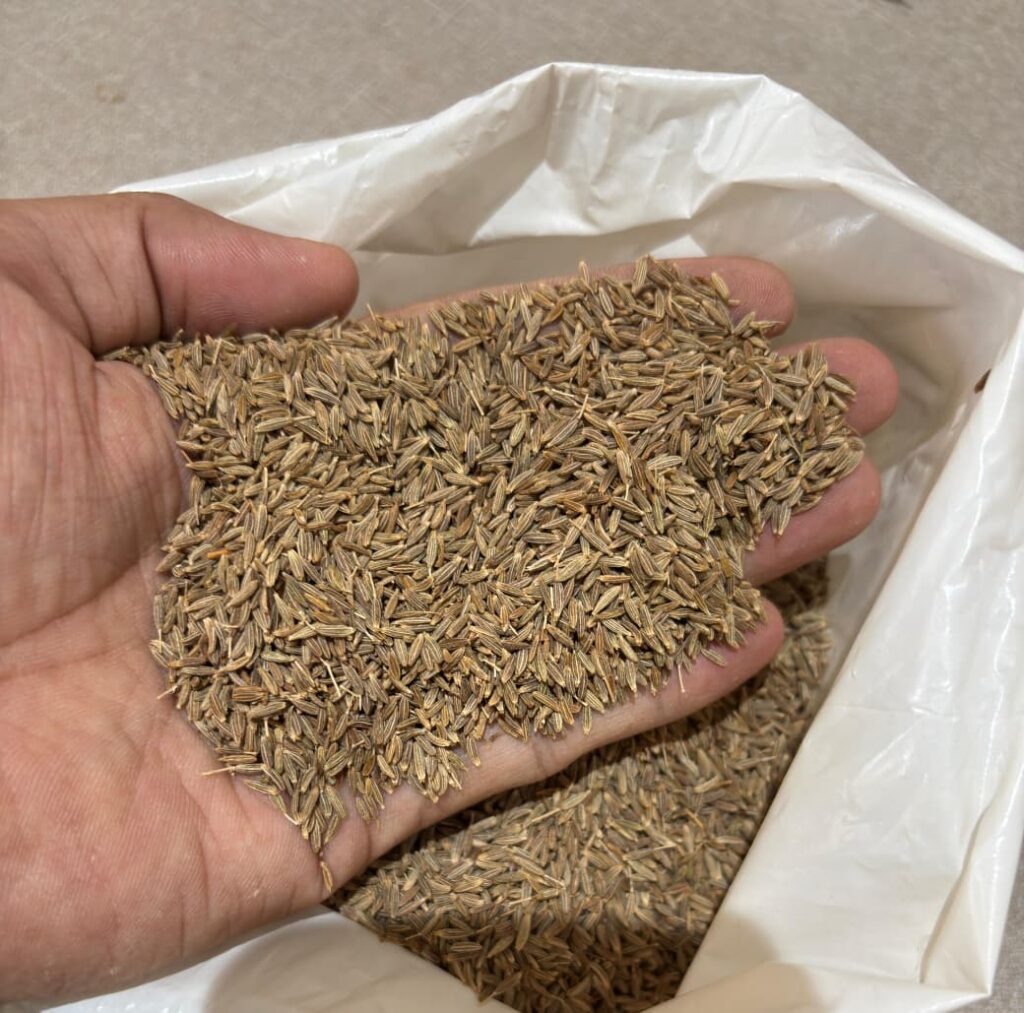
Moisture is something I am strict about. We always keep it below 10%, and it is checked by a lab, not by guesswork. High moisture is one of the main reasons spices get damaged on the way, so this check matters more than people think.
Shipping: Port, Terms and Transit Time
We ship to Africa from Mundra port in Gujarat. Depending on the destination country, transit time is usually between 14 and 21 days.
We are open to both FOB and CIF, and it depends on what the buyer wants. Some buyers have their own freight forwarder and prefer FOB. Others want us to handle shipping and prefer CIF. Both work as long as it is agreed clearly in the contract.
Our shipping company and CHA (customs house agent) take care of the container condition and loading, so that the cargo reaches without dampness or mould. Fumigation is done by an approved agency 24 hours before the container is loaded.
My one shipment to Ghana went smoothly, with no surprises on freight or delays. I know that will not always be the case, which is why the paperwork and the checks before loading are so important.
The Documents African Buyers Need
For an African shipment, we provide:
- Commercial invoice
- Packing list
- Certificate of Origin (COO)
- Phytosanitary certificate
- Fumigation certificate
- Lab report
- Bill of Lading
Every document should match. The same buyer name, the same product description and the same quantities across all of them. A small mismatch can hold a container at the destination port, and the cost of that delay always ends up with someone.
African buyers almost always ask for lab reports before they commit, and I think that is the right approach.
Payment Terms: Why I Only Work on LC
Our payment terms are very clear. We work only on Letter of Credit (LC), and we tell buyers this at the start of the conversation.
The reason is simple. Both sides are dealing with someone they have never met in person, in another country. An LC protects the buyer, because the bank releases payment only when the shipping documents are in order. It also protects me, because the payment is guaranteed by the bank once I meet the LC conditions. It removes a lot of the trust problem from a first deal.
A Warning About Fake Enquiries
Like every region, Africa has some fake enquiries. A common one I have seen is a “buyer” who asks for an advance payment to cover company registration in their home country before they can place an order. A genuine importer will never ask the supplier to pay for their registration.
Most of these are easy to spot once you have some experience, but new traders on both sides should be careful. There are pros and cons with every market. You just have to learn how to work with them.
When to Buy Indian Cumin
The best time to buy Indian cumin is March to July. The new crop arrives at Unjha around February to April, so fresh stock is available and prices are usually lower.


Prices can move a lot. This year, cumin moved from around Rs 190 to Rs 270 per kg. For an importer, buying at the right time can make a real difference to margins.
My Advice for First-Time African Importers
If you are buying Indian cumin for the first time, here are three things I would always do:
- Ask for lab reports. Do not accept a lot without a recent test report.
- Ask for samples before you place an order. Check the grade, colour and smell yourself.
- Check the exporter’s history. Use export-import data sites to see whether the exporter has actually shipped before, and to whom.

And one thing to avoid: never pay anyone an advance for things like registration fees or “release charges” before a proper contract and payment structure are in place.
Getting a cumin shipment right is not complicated, but it does need care at every step: the right grade, a proper lab report, clean documents, safe payment terms and good timing. If both sides get these basics right, the container will reach the warehouse in good condition and the relationship can grow from there.